Iran-Israel24 January, 20262 min read
Iran's Revolutionary Guard Threatens U.S. and Israel as Washington Sends Warships to Middle East
Revolutionary Guard warns it will treat any U.S. attack as a full-scale war U.S. is deploying a carrier strike group, destroyers, and fighter jets to the Middle East

18 outlets told this the same way.
Outlets did split on U.S. Intercepts Iran Message Activating Sleeper Cells After U.S.-Israel Strike Kills Khamenei →
U.S. Middle East movements
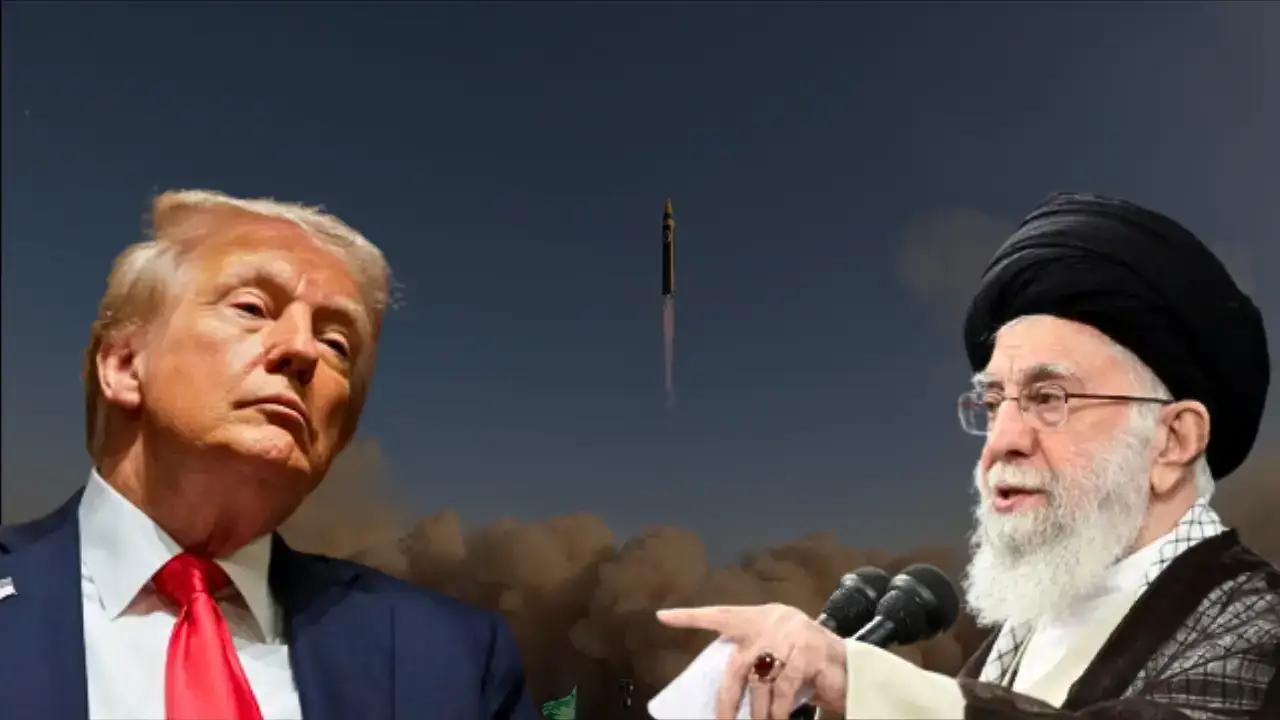
U.S. military movements toward the Middle East have escalated this month, with the aircraft carrier USS Abraham Lincoln and its escort destroyers redirected from the South China Sea and additional air assets sent to the region. Reporting indicates the carrier strike group and three escort destroyers left the South China Sea and are heading west to join U.S. ships in Bahrain and the Persian Gulf, while about a dozen F-15E fighters were reported deployed to bolster air-strike capabilities. President Trump publicly described the deployment as a "massive force" and an "armada," even as he signaled a preference for diplomacy by saying Iran "does want to talk."
“U.S. officials said about 12 F-15E fighters were deployed to the region last week to bolster air-strike capabilities.”
Iranian military warnings
Iran’s Islamic Revolutionary Guard Corps (IRGC) and other senior Iranian officials have issued stark warnings tied directly to recent U.S. movements.
IRGC commander Gen. Mohammad Pakpour warned the United States and Israel to avoid any miscalculation, saying the IRGC is more ready than ever and has its finger on the trigger.
Anonymous senior Iranian officials warned that any attack, whether limited or precision, would be treated as a full-scale war and met with the strongest possible response.
Iranian statements also said U.S. bases and interests would be legitimate targets if Iran were attacked.
Iran unrest and crackdown
The military standoff comes against a backdrop of intense domestic unrest inside Iran, with reporting and claims differing over the scale of the crackdown. Several sources note the IRGC's central role in suppressing nationwide protests, which they say left thousands dead.
“Tehran’s brutal crackdown on protests left thousands dead.”
Activist groups and some outlets put the toll at more than 5,000 deaths and tens of thousands arrested, while Iranian authorities reported lower counts — about 3,100 in one account. There are also conflicting reports about whether Tehran halted executions of detainees, with some outlets saying a planned mass execution was called off and Iran's top prosecutor calling that assertion "completely false".
Regional escalation risks
Analysts and regional observers warn that the combination of military posturing and domestic repression increases the risk of miscalculation and wider regional fallout. Commentators say escalatory rhetoric from both Tehran and Washington heightens that risk. Some regional outlets warn the collapse of the Iranian state would have broad consequences, while other coverage highlights historical patterns in which U.S. build-ups preceded offensive actions and argues the current deployments may carry the same risk.
US and Iran signals
Signals from Washington and Tehran remain mixed. Several reports say President Trump called off a planned strike after diplomatic contacts, logistical issues, and negative reactions from regional allies. U.S. officials emphasize both military readiness and a preference for diplomacy.
“Trump also said he had halted a planned strike after Iran reportedly called off executions of hundreds of detainees.”
Meanwhile Tehran's public rhetoric is assertive and sometimes anonymous. Claims such as halted executions are disputed by Iranian prosecutors. This creates a contested information environment in which both de-escalatory and bellicose messages circulate.