Iran17 February, 20263 min read
Iran’s Supreme Leader Khamenei Threatens to Sink US Warships During Geneva Nuclear Talks
Ayatollah Ali Khamenei threatened to sink U.S. warships deployed in the Gulf. United States and Iran held Omani-mediated indirect nuclear talks in Geneva.

15 outlets told this the same way.
Geneva talks and warnings
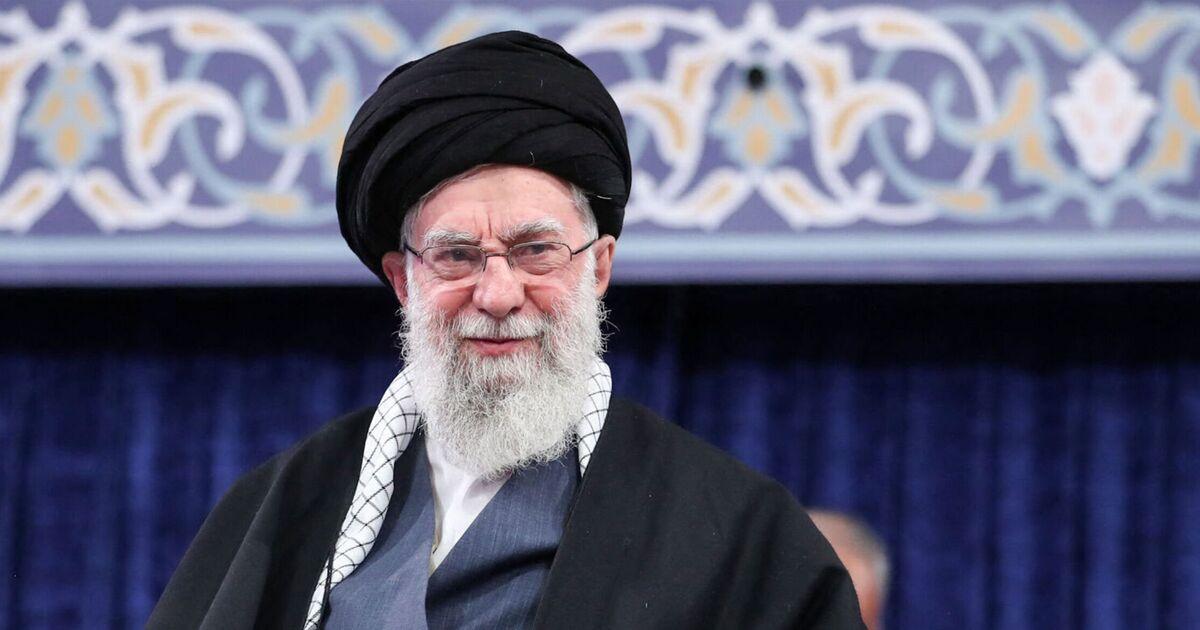
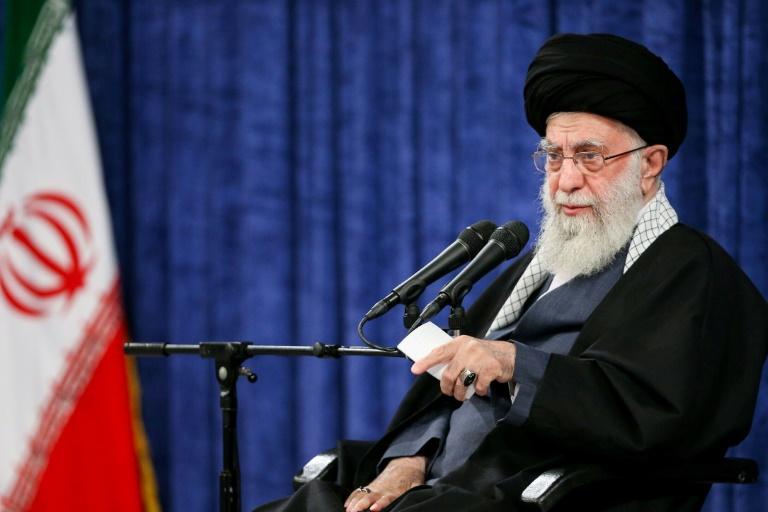
Iran’s Supreme Leader Ayatollah Ali Khamenei issued sharp public warnings as indirect nuclear talks between Tehran and Washington opened in Geneva. Khamenei said even the "strongest military" can be struck and that a U.S. warship "could be sunk," remarks published while mediators sought a framework for broader negotiations. France 24 reported the talks produced "a set of guiding principles" under Omani mediation while Tehran and Washington traded military warnings.
“Iran and the United States reached agreement on ‘a set of guiding principles’ during Omani‑mediated talks in Geneva on Tuesday, Tehran's foreign minister said, providing a framework to negotiate a broader deal aimed at averting possible U.S. military action over Iran's nuclear programme.”
Marketscreener quoted Khamenei saying "the strongest army in the world may sometimes get slapped," a phrasing that differs slightly from other reports. Latin Times noted President Donald Trump told reporters he believes Iran wants a deal and does not want the consequences of failing to reach one.
U.S. carriers and Iranian drills
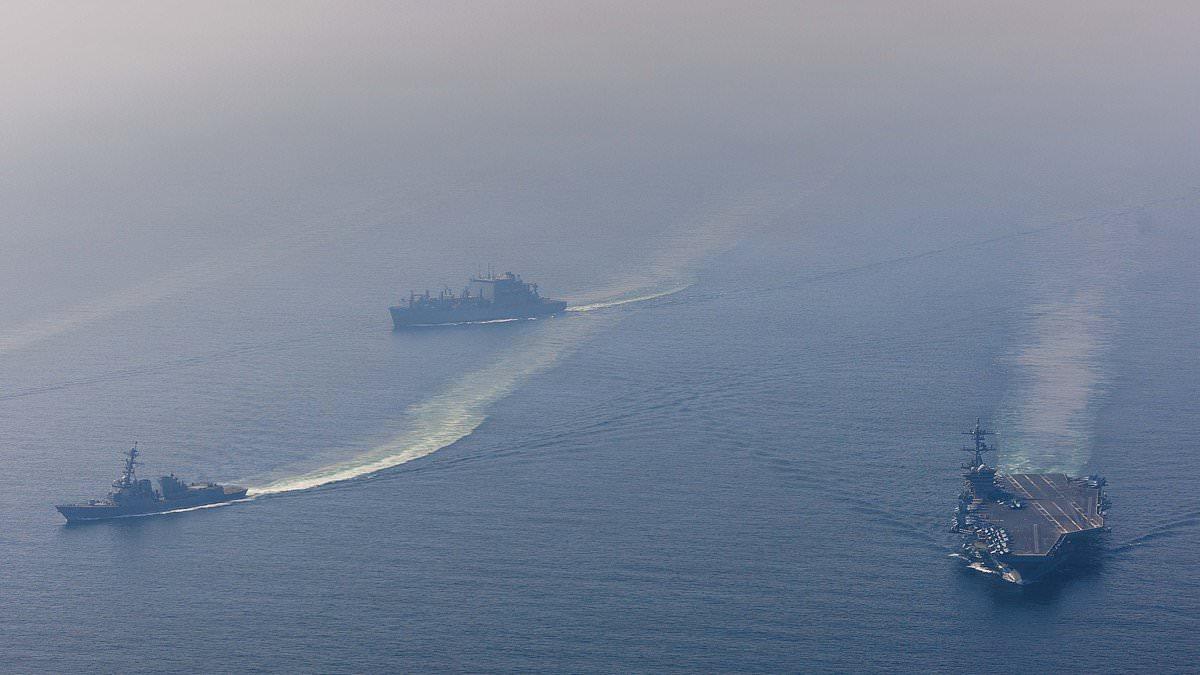
The threats were accompanied by visible military manoeuvres and U.S. reinforcements in the region. France 24 and Daily Mail reported Washington sent two aircraft carriers, including the USS Abraham Lincoln with nearly 80 aircraft reportedly within striking distance of Iran. Daily Express US said the USS Gerald Ford was being rerouted and extended its deployment.
Several outlets described Iranian naval drills in response. New York Post and NT News reported the Islamic Revolutionary Guard Corps held exercises in the Strait of Hormuz, briefly closing parts of the strait. Daily Mail linked Tehran’s drills to Khamenei’s warning about sinking a U.S. warship.
Geneva talks scope dispute
The scope of the Geneva discussions — and what each side would accept — was a central point of disagreement reported across outlets. Washington, according to the Washington Examiner and Daily Mail, wants a wider agenda that includes ballistic missiles and regional activities.
“Iran insists the talks be limited to its nuclear program, while the Trump administration wants to also address Iran’s ballistic missiles and regional activities.”
Tehran, as Sahara Reporters and Daily Mail put it, insisted it would "discuss only nuclear curbs in return for sanctions relief" and rejected demands to abandon enrichment or negotiate missiles. France 24 said the talks were "more constructive" than prior rounds and would move to drafting texts, while Washington officials acknowledged a deal would be difficult.
Iran tensions context
Some reports present domestic politics and human rights context as background that may influence Tehran’s posture. New York Post and NT News link the threats and drills to a domestic crackdown. New York Post states human rights groups say the crackdown "has killed at least 7,000 people."
NT News describes the measures as a response to "deadly crackdown on anti‑government protests sparked by economic hardship." Other outlets, like Latin Times and Sahara Reporters, emphasise Khamenei’s framing of nuclear activity as peaceful and necessary for national development while rejecting Western demands on missiles.
These threads appear alongside U.S. signals of consequences if talks fail. Several sources quote President Trump warning of "serious consequences" or unspecified "consequences."
Diplomacy versus pressure in Geneva
Outlook from the snippets is mixed and cautious. France 24 quotes Tehran’s foreign minister saying the Geneva round "will move to drafting texts". Oman said "good progress" was made but that "much work remains".
“The discussions, described by Iran as more constructive than a previous round, will move to drafting texts that the sides will exchange before scheduling a third round; both ministers warned it will take time to narrow remaining differences.”
U.S. officials and several outlets warned a deal would be difficult. Trump was reported to have hinted at "consequences" if no deal is reached and was described by marketscreener as referencing "47 years".
lbc.co.uk’s brief quoted line "It's going to be hard" reflects widespread expectations of a tough negotiation. Altogether, reporting shows parallel tracks of cautious diplomacy and military signalling, with divergent emphases across outlets about whether diplomacy or pressure dominates the story.