
Iran's Supreme Leader Mojtaba Khamenei Vows to Keep Strait of Hormuz Closed, Hit US Bases
Key Takeaways
- Strait of Hormuz will remain closed as leverage against the US and Israel
- Iran will continue attacking US military bases and Gulf neighbours
- Statement was read on state television; his public appearance and health remain unverified
Central message and broadcast
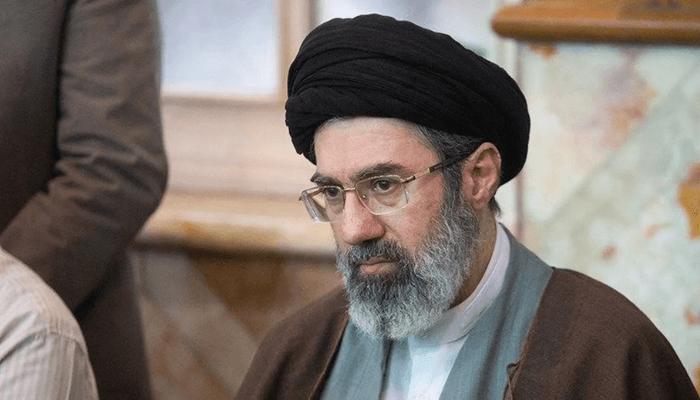
Iran’s newly appointed supreme leader, Mojtaba Khamenei, issued a defiant first statement vowing to keep the Strait of Hormuz closed as a tool of pressure, to avenge the “blood of the martyrs,” and to continue strikes on US military bases in the region; the message was broadcast on state television and read by a presenter rather than delivered in person.
“owned-and-operated ships”
The statement said the “lever of blocking the Strait of Hormuz must definitely be used,” and urged Gulf neighbours to shutter US bases, while promising retaliation for attacks that killed Iranians.

State media offered no explanation for why Khamenei did not appear on camera, and outlets noted the remarks were read aloud on television rather than presented live by the leader himself.
Succession and context
Khamenei’s statement came as he assumed the country’s top post following the death of his father, Ayatollah Ali Khamenei, in strikes that opened the war; multiple outlets reported he was appointed by the Assembly of Experts and that questions linger about his health after reports of wounds sustained during the initial attacks.
Iranian and international reporting says he was chosen amid active bombardment, with some accounts noting injuries and family casualties in the opening strikes; state media and government figures framed his message as a call for national unity as Iran retaliates.

Threats and proxies
Khamenei explicitly targeted US military presence and mobilised Iran’s regional proxies in his message: he called for neighbouring states to close American bases or face attacks, thanked and praised groups in the so-called Resistance Front including Hezbollah and Yemen’s Houthis, and said armed groups in Iraq and Yemen would assist Tehran’s efforts.
“Mojtaba Khamenei has issued his first statement since taking over as Iran’s supreme leader after his father, Ayatollah Ali Khamenei, and several family members were assassinated in the United States and Israeli strikes at the outset of the war that has now embroiled much of the Middle East”
Iran’s Revolutionary Guards announced strikes in tribute after the statement and the rhetoric signalled an intent to widen pressure through allied militias and proxy forces across the Gulf and Levant.
Economic and maritime impact
The statement and Iran’s campaign have already produced acute global economic and maritime consequences: attacks on ships and tanker burnings near the strait have severely disrupted shipping, the waterway has been described as effectively closed by several outlets, and oil prices spiked above $100 a barrel amid warnings of a historic supply shock.
Analysts and officials told media the blockade and strikes are driving energy market turmoil and could push prices substantially higher if the closure persists.

Visibility and uncertainty
Questions about the new leader’s visibility, authenticity of the broadcast, and who truly wields power in Tehran accompanied the statement: Khamenei has not appeared in public since his appointment, the remarks were read aloud on television with no fresh footage provided, and commentators noted the message echoed hardline IRGC-backed positions while offering calls for unity amid war.
“Skip to navigationSkip to contentSkip to footerHelp using this website - Accessibility statement Today's Paper Advertisement World Middle East Middle East tensions Print article”
International outlets flagged uncertainty about his condition and whether the statement reflected direct personal delivery or a curated communiqué from Iran’s security and military establishment.
More on Iran
FBI Warns of Iranian Drone Plot Based on Unverified Tip; California Says No Credible Threat
10 sources compared

White House Demands ABC Retract Report Claiming Iran Sought To Launch Drone Attacks On California
11 sources compared

Supreme Leader Mojtaba Khamenei Vows to Close Strait of Hormuz; Iran's UN Ambassador Denies It
98 sources compared
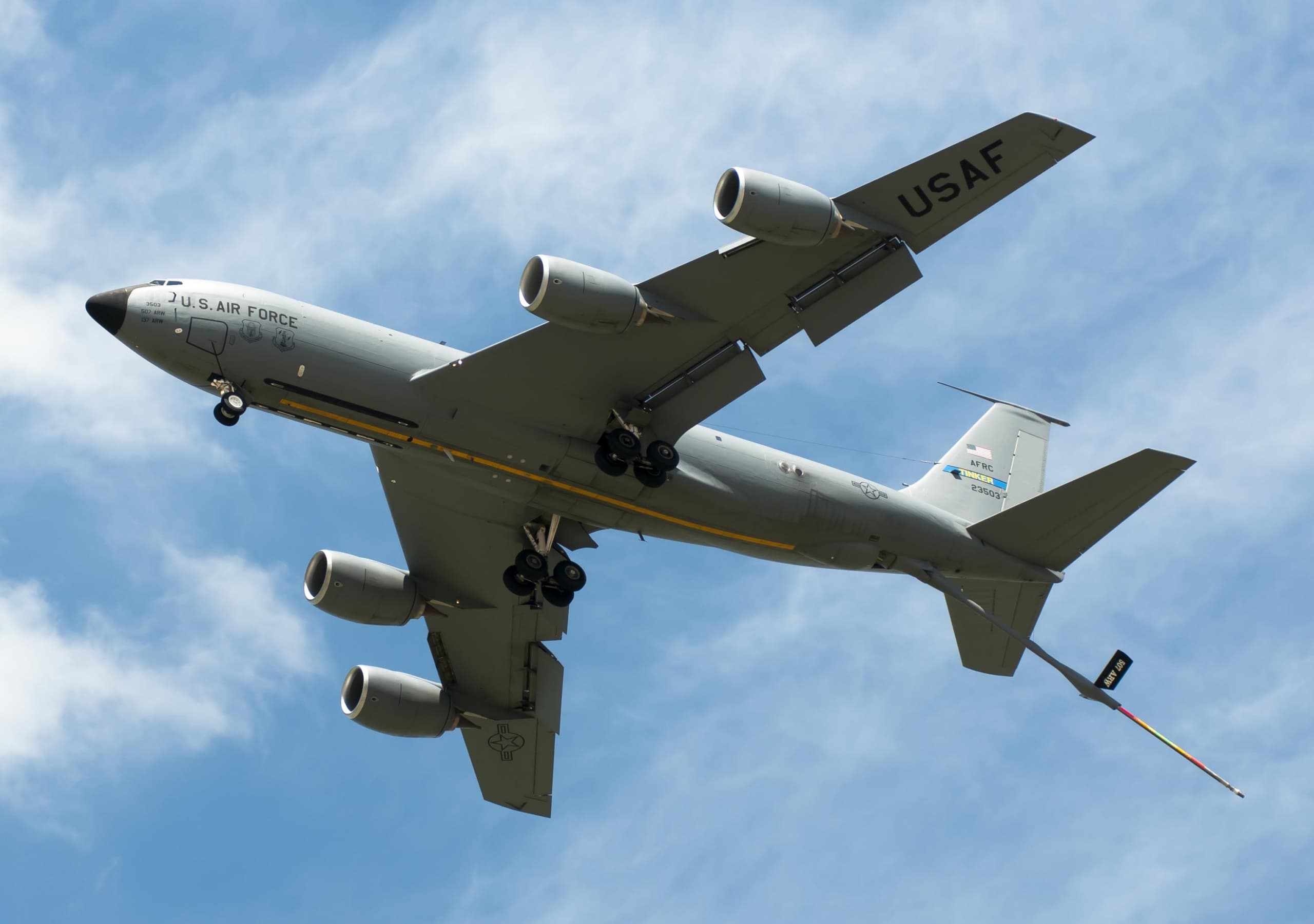
U.S. KC-135 Refueling Plane Crashes in Iraq, Killing Six Crew
82 sources compared