Middle East09 November, 20252 min read
Iraq Holds Divisive Election Amid US-Iran Rivalry and Sadrist Boycott
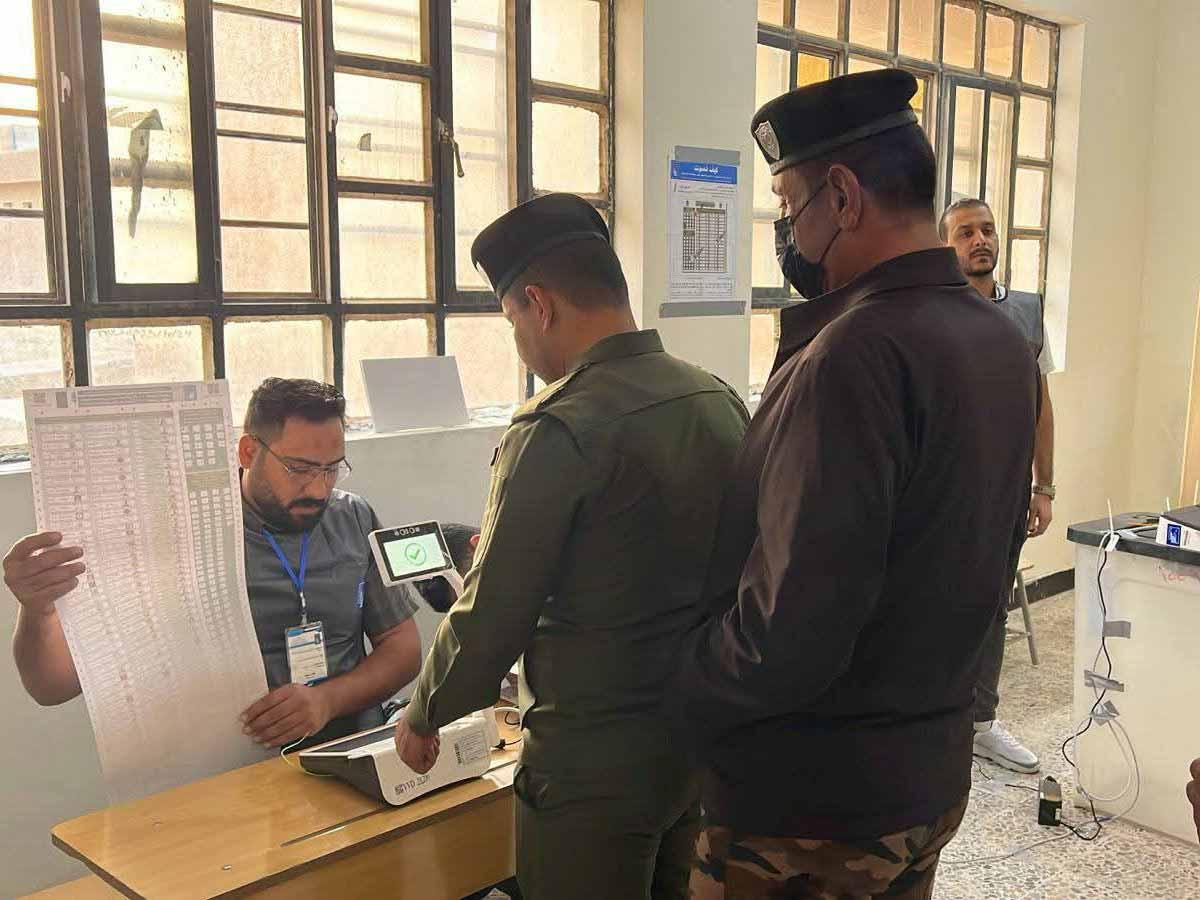
Early voting included over 1.3 million security personnel and 26,000 displaced citizens. Sadrist movement boycotted the election, impacting turnout and political alliances.
12 outlets told this the same way.
Iraq's 2025 Election Dynamics
Iraq has entered a divisive election cycle shaped by US–Iran rivalry. Early ballots have been cast by over a million security personnel and thousands of displaced people ahead of the November 11, 2025 vote. The stakes include whether Prime Minister Mohammed Shia al‑Sudani secures a second term.
“The Popular Mobilization Forces (PMF), a coalition of militias under Iraqi military control but still largely autonomous, will vote alongside the army.”
Iran-backed militias and the Popular Mobilization Forces (PMF) are participating in the election amid simmering tensions with Washington. Reports highlight Baghdad’s effort to balance relations between Tehran and Washington while special voting proceeds and officials begin counting ballots.

Some outlets suggest that security-force ballots could influence outcomes in favor of PMF-aligned lists. Despite the tense atmosphere, official reassurances have been issued urging broad participation in the election.
Sadrist Movement Election Impact
A defining feature is the boycott by the influential Sadrist movement, winners of the 2021 vote. This boycott is reshaping turnout dynamics and campaign energy, especially in Sadrist strongholds like Sadr City. Multiple outlets connect the boycott to failed government formation talks and note that it depresses campaigning and enthusiasm in Shia areas.
The boycott also complicates coalition formation. Some reports tie lower expected turnout to public distrust amplified by the Sadrist stance.

Sectarian Electoral System Overview
The electoral architecture remains sectarian and quota-based, with power-sharing among Shia, Sunni, and Kurdish offices and guaranteed representation for women and minorities. Basic figures about the election vary across sources: some cite 7,744 candidates, while others mention 7,768. All sources agree that voter participation has been declining and that overseas voting is not available.
“The electoral system mandates 25% of parliamentary seats for women and reserves nine seats for religious minorities.”
Coverage also highlights displaced minorities—especially Yazidis—who are still voting from camps near Dohuk. This situation underscores the ongoing displacement caused by ISIS and the uneven progress of reconstruction.
Early Voting and Security Details
Early voting logistics were extensive, with polls operating from 7 a.m. to 6 p.m. across 809 centers and 4,501 stations. More than 1.3 million security personnel were involved, including 97 stations designated for 26,538 displaced voters. Turnout figures varied, with one report indicating 60% participation by midday and another showing 82.52% by the close of voting.
All sources agree that vote counting began promptly after the polls closed. Several reports emphasize that votes from security forces could impact the election results. The involvement of the Iran-linked Popular Mobilization Forces was repeatedly noted and debated.

Election Context and Challenges
Regional turbulence frames the campaign, with media outlets citing heightened tensions among Baghdad, Tehran, and Washington. There are fears of escalation between Israel and Iran, along with strikes on groups linked to Iran. Pressure is mounting on al-Sudani to control militias.
“The election occurs amid regional tensions, including fears of conflict between Israel and Iran and potential strikes on Iran-backed groups in Iraq.”
Some sources emphasize governance and public services as the main priorities for voters. Others highlight issues such as corruption, vote-buying, candidate disqualifications, and political violence, including an assassination. These points illustrate differing focuses on security concerns versus governance crises within the same election.