Protests27 November, 20252 min read
Iraq Restarts Khor Mor Gas Field Operations, Sends Gas to Power Stations
This article is an automated aggregation of coverage from news outlets. Our editorials offer in-depth analysis curated by the NewsCord team.
A rocket or drone struck a Khor Mor liquid storage tank, halting gas production. Gas shutdown triggered widespread electricity outages across Iraqi Kurdistan, cutting regional generation.

11 outlets told this the same way.
Outlets did split on France Suspends Police Stun Grenades at High School Protests After 15-Year-Old Loses Hand →
Khor Mor gas strike
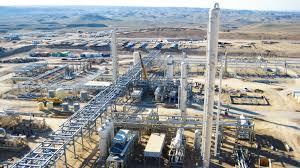
Late on Wednesday a strike hit the Khor Mor gas complex in Iraqi Kurdistan, igniting a fire that was extinguished early Thursday and halting gas production used for regional power. Multiple outlets report the blast struck a liquid storage or condensate tank, with Dana Gas confirming the strike and firefighters putting out the blaze.
“A rocket struck a liquid storage tank at the Khor Mor gas field in Iraqi Kurdistan late Wednesday, Reuters reported; Dana Gas (a joint field operator) confirmed the strike on Thursday, Nov. 27.”
Several accounts say there were no injuries but that gas deliveries were stopped, triggering widespread power outages across northern Iraq and Kurdistan. The shutdown prompted immediate emergency responses from local authorities and the operator as regions faced sudden electricity shortfalls.

Khor Mor expansion outage
The damaged tank is part of the KM250 expansion at Khor Mor, a project multiple outlets reported was partly US‑financed and built by a US contractor. The KM250 works had increased the field’s output by roughly half and enabled expanded gas deliveries.
Reporting emphasizes that the strike occurred after KM250 boosted capacity. The resulting outage risks a significant loss of generation at power stations that rely on Khor Mor supplies.
Casualties and attack pattern
Reporting is consistent that the latest strike caused no immediate deaths or injuries, although the field has endured deadly attacks previously.
“Dana Gas, the UAE owner, said a rocket struck a storage tank, forcing production to shut down but causing no casualties.”
Multiple outlets quote Dana Gas and local officials saying no employees were hurt, while other reports say the incident fits a pattern of repeated attacks on Kurdish energy infrastructure, including an April 2024 strike that earlier killed workers.
Post-attack investigations and defenses
Kurdish and federal Iraqi leaders immediately moved to investigate and assign blame and demanded better defensive capabilities. Baghdad and Erbil agreed to set up a joint investigative committee.
Kurdish leaders and some local officials blamed Iran-backed militias or 'terrorist groups' for recurring attacks. Several outlets reported calls for the United States to allow the KRG to acquire kinetic anti-drone defenses to protect energy infrastructure.

Resumption timeline uncertainty
Coverage diverges over when operations will resume. Al Jazeera reported that Kurdistan's prime minister and Dana Gas agreed to restart production within hours to restore electricity. Other outlets say operations were suspended pending damage assessment and safety checks or that an exact resumption time was not given.
“Production at Khor Mor remains suspended while a full damage assessment and safety checks are carried out.”
Some reports suggest electricity could be restored within 48 hours if the damage is limited to a single tank. Others cite suspended operations and a fall in Dana Gas shares, underscoring uncertainty about when full flows to power plants would resume.