Full Analysis Summary
Abduction and recovery update
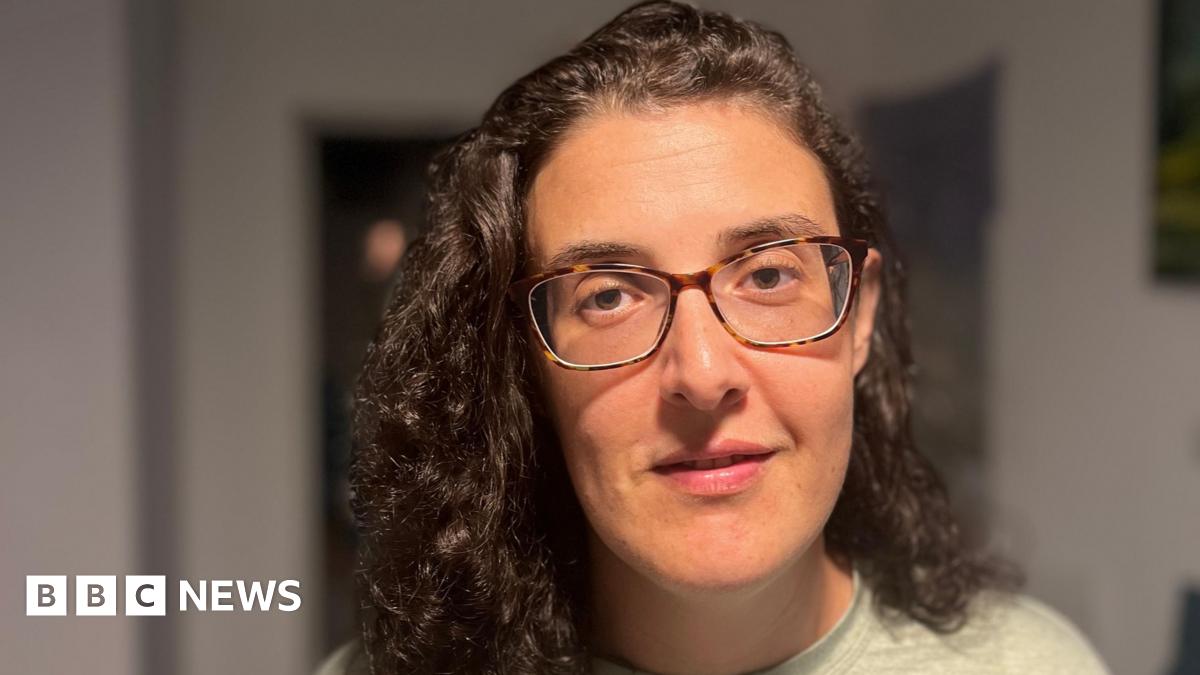
Elizabeth Tsurkov is a 39-year-old Israeli-Russian doctoral student at Princeton.
She was abducted in Baghdad in March 2023 and held captive in Iraq for 903 days.
She says she was snatched after going to meet someone who never arrived.
She told the BBC she was released in September and is now convalescing in central Israel.
Coverage Differences
Missing perspectives
Only the BBC article was provided for this task. Because no other sources were supplied, it is not possible to compare how different source types (for example, West Asian, Western Alternative, or others) frame the basic facts of the abduction, length of captivity, or release. The paragraph therefore strictly reports BBC's account and explicitly notes the absence of other reporting to compare or contrast. This paragraph quotes BBC reporting rather than attributing these facts to other outlets or parties.
Survivor's account of abuse
Tsurkov detailed severe and systematic abuse, saying the first 100 days of her captivity were especially brutal.
She reports beatings, electrocution, sexual assault, and being suspended, all of which left her physically and mentally scarred.
She told the BBC that when her captors discovered her Israeli citizenship on her phone, the torture intensified.
She said she invented "confessions" in an attempt to stop the abuse.
Coverage Differences
Missing perspectives
Because only BBC's interview text is available, there is no way to cross-check independent medical assessments, statements from Iraqi authorities, or reporting from militia-affiliated sources that might confirm or dispute these detailed abuse claims. This paragraph therefore faithfully reports Tsurkov's account as quoted by the BBC and flags the lack of other sources for corroboration.
Alleged captors and sourcing
Tsurkov told the BBC she believes members of Kataib Hezbollah, an Iran-backed militia within Iraq’s Popular Mobilisation Forces, held her.
The BBC frames this as Tsurkov’s belief rather than an independently verified attribution, and no alternate claims of responsibility or official confirmation are provided in the available material.
Coverage Differences
Missing perspectives
With only the BBC account available, it is not possible to compare whether West Asian outlets, Iraqi state sources, militia statements, or other international media corroborate or contest the claim that Kataib Hezbollah detained her. The paragraph therefore notes that the BBC is reporting Tsurkov’s belief without independent verification from other sources provided to this task.
Tsurkov's alleged abuse account
Tsurkov says the torture and suspension left her physically and mentally scarred, and that her health remains poor even after her release.
The BBC frames her story as a personal testimony of survival and ongoing recovery, but without additional reporting there are no corroborating medical evaluations or independent interviews with family members, officials, or the alleged captors.
Coverage Differences
Missing perspectives
Because only BBC’s reporting is available, we cannot contrast the BBC’s tone of human-interest survivor testimony with how other source types might emphasize legal, diplomatic, security, or propaganda angles. The paragraph therefore sticks to BBC’s framing and explicitly notes missing corroboration from other outlets or official sources.
Single-source reporting limitations
Limitations and questions remain: the provided material is a single BBC report based on Tsurkov’s account, and therefore cannot capture how different outlets or source types might frame motive, responsibility, or the political implications of her detention and alleged torture.
Additional reporting from Iraqi authorities, militia statements, independent medical reports, or other news organizations would be needed to build a fuller, multi-perspective account.
The single-source nature of the material also prevents identification of differences in narrative or tone across source types.
Coverage Differences
Missing perspectives
No alternate or supporting sources were supplied, so direct comparison across West Asian, Western Mainstream, and Western Alternative sources is impossible. This paragraph explicitly states that absence and calls for further corroborating reporting.