Full Analysis Summary
Mistaken asset-freeze listing
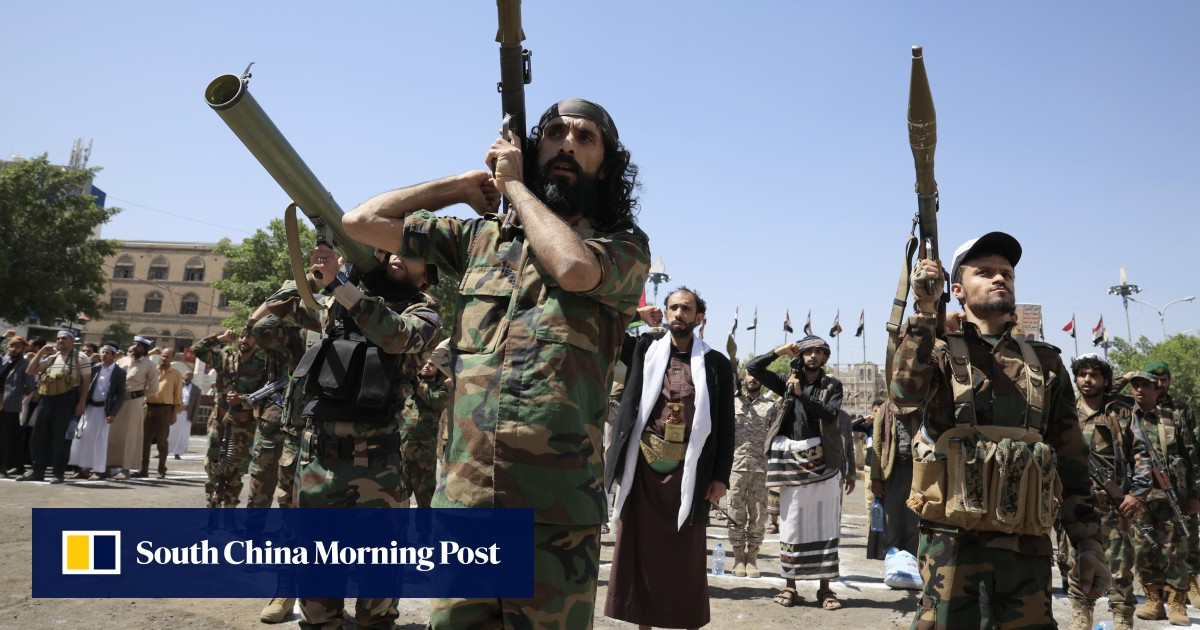
Iraqi Prime Minister Mohammed Shia al-Sudani ordered an urgent probe after Lebanon's Hezbollah and Yemen's Houthis were mistakenly published on Iraq's terrorist asset-freeze list in the official Justice Ministry gazette.
The publication prompted immediate clarifications from Baghdad and promises to hold those responsible accountable.
Officials said the publication was an error tied to Decision No. 61 (Issue 4848 of al-Waqa'i al-Iraqiya) and that the texts 'reflected positions that are not real.'
The prime minister's office insisted Iraq's approval to freeze assets was limited to groups linked to ISIS and al-Qaida.
The episode triggered rapid government action, including the investigation ordered by al-Sudani, and public restatements of Iraq's political positions toward Lebanon and Palestine.
Coverage Differences
Tone and emphasis
The sources agree the listing was a mistake and that al‑Sudani ordered an investigation, but they emphasize different elements: 964media (Other) foregrounds the prime minister’s order and the need to hold responsible parties accountable; kurdistan24.net (West Asian) emphasizes the immediate clarifications and domestic political sensitivities; South China Morning Post (Asian) highlights the regional and international implications, noting the move would have pleased Washington and increased pressure on Tehran. Each source reports the same core facts but selects different angles to emphasize.
Asset-freeze clarification
Officials and the Central Bank's Committee for Freezing Terrorists' Assets said the inclusion of Hezbollah and the Houthis resulted from a mistaken publication of an unedited draft prepared in response to a Malaysian U.N.-linked request.
They said no measures to freeze those groups' assets had been approved.
The acting deputy central bank governor reportedly sent a letter targeting the clause for deletion.
Authorities stressed the actual approval was limited to ISIS- and al-Qaeda-linked funds, not Iran-aligned groups.
Coverage Differences
Reported cause and administrative details
All sources report the listing was inadvertent, but they attribute the administrative cause differently: 964media (Other) and kurdistan24.net (West Asian) explicitly say it was caused by publishing an unedited draft prepared for a Malaysian request, while South China Morning Post (Asian) adds the detail that the clause was targeted for deletion by a letter from the acting deputy governor of the Central Bank, highlighting internal pushback.
Iraq listing controversy
Domestic observers and analysts described the episode as a politically sensitive misstep that briefly prompted speculation about Baghdad’s stance toward Iran-aligned groups.
The swift reversal and government clarifications were interpreted as a reaffirmation of Iraq’s cautious balancing amid strong domestic and regional ties to Tehran.
Analysts warned the mistake underscores how legally consequential and sensitive such listings are for banks, state bodies and Iraq’s unstable political landscape.
Coverage Differences
Narrative emphasis (regional politics vs. domestic sensitivity)
kurdistan24.net (West Asian) emphasizes domestic political sensitivities and the brief speculation that Baghdad might be shifting away from Tehran‑aligned groups before the reversal; South China Morning Post (Asian) stresses the regional and international implications, calling the reversal a setback for U.S. efforts to curb Iran’s proxies; 964media (Other) focuses on the government's reiteration of principled positions toward Lebanon and Palestine while treating the listing as an administrative error.
Sanctions list error fallout
From an institutional standpoint, the episode highlighted the role of the Central Bank's Committee for Freezing Terrorists' Assets.
It also exposed the vulnerability of legal and banking systems to administrative errors in sanction lists.
Authorities emphasized there were no approved freezes on Hezbollah or Houthi assets.
They said they would identify and hold accountable those responsible for publishing the incorrect text, underscoring concerns about how such mistakes can have immediate legal and financial consequences.
Coverage Differences
Institutional focus vs. geopolitical framing
964media (Other) and kurdistan24.net (West Asian) stress institutional responses — investigation orders, committee clarifications and promises of accountability — while South China Morning Post (Asian) places those institutional actions in a geopolitical frame, noting how the initial publication would have aligned with U.S. pressure on Tehran and thus had broader diplomatic consequences.
Administrative error and reactions
The government's swift clarification and the ordered probe aim to limit fallout, but the incident exposed how an administrative error can reverberate across diplomatic, financial, and domestic political arenas.
Reporting from diverse outlets shows consensus on the mistake and the promised investigation.
Different outlets emphasize distinct aspects—institutional accountability (964media); domestic sensitivity and legal consequences (kurdistan24.net); and regional geopolitical fallout including relations with the U.S. and Iran (South China Morning Post)—shaping varied public perceptions of the same event.
Coverage Differences
Summary of consensus and divergent emphases
All three sources (964media - Other, kurdistan24.net - West Asian, South China Morning Post - Asian) concur the listing was a mistake and an investigation was ordered; their divergence lies in which consequence they highlight most — domestic accountability, legal/banking sensitivity, or regional geopolitical implications. Each source reports the factual core but frames its significance through different source_type lenses.