Iran22 July, 20263 min read
Iraqi PM Ali Al-Zaidi Visits Iran, Signs Agreements With President Masoud Pezeshkian
This article is an automated aggregation of coverage from news outlets. Our editorials offer in-depth analysis curated by the NewsCord team.
Iraqi Prime Minister Ali al-Zaidi arrives in Tehran for a two-day visit. Iraq and Iran sign four agreements and MoUs spanning foreign affairs, finance, economy, energy.
First visit, new agreements
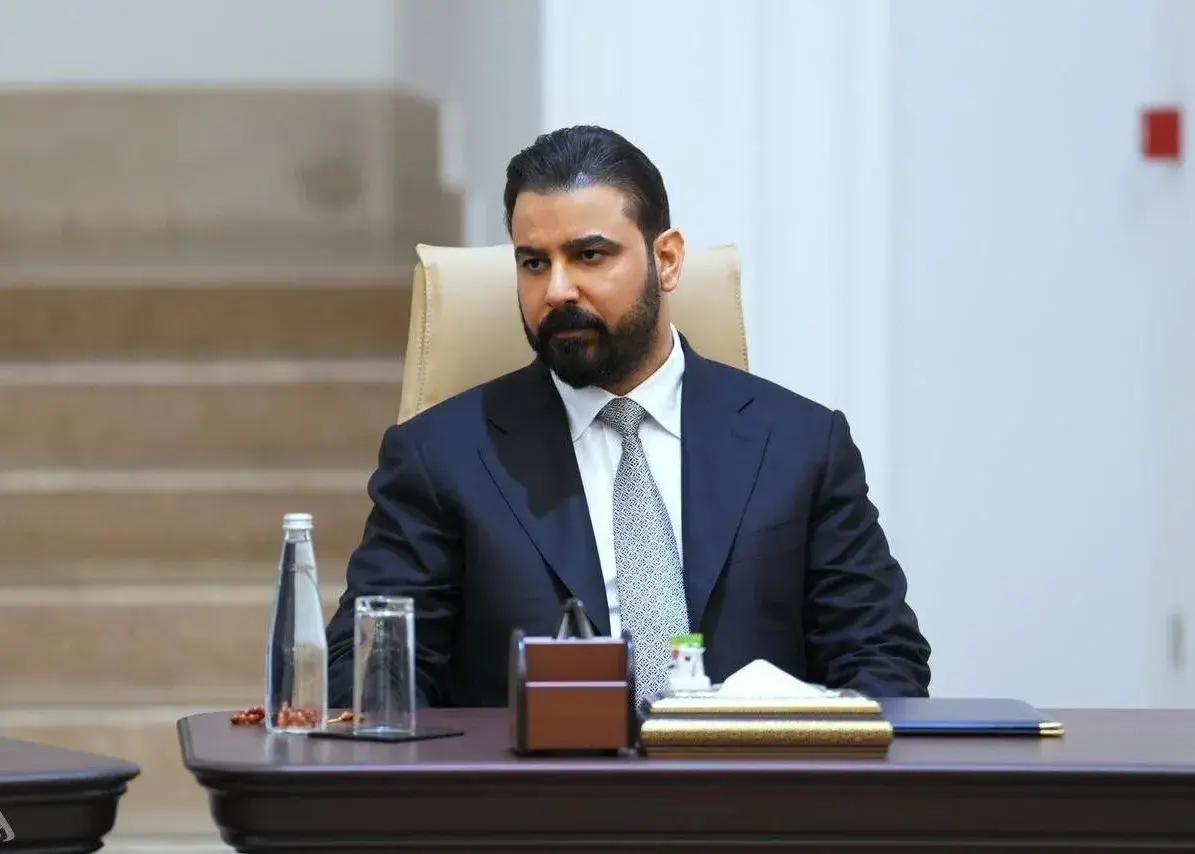
Iraqi Prime Minister Ali al-Zaidi arrived in Iran for his first official visit since assuming office in May, and in Tehran he and Iranian President Masoud Pezeshkian oversaw the signing of several agreements and memoranda of understanding (MoUs) covering foreign affairs, finance, the economy and energy. Al Jazeera said the talks aimed at strengthening strategic cooperation, accelerating joint economic and infrastructure projects, and coordinating on regional developments including the implementation of the US-Iran MoU. The Al Jazeera report also said al-Zaidi thanked Iran for helping Iraq in its fight against the ISIL (ISIS) group and told reporters that "Iraq will never forget Iran’s support in the fight against the [ISIL/ISIL] terrorist group," according to Pezeshkian’s office.
Euronews, meanwhile, described the visit as a two-day trip in Tehran and said al-Zaidi met Iranian President Masoud Bezhkian and chaired joint talks on developing relations across political, economic, commercial, energy, transportation, and regional cooperation spheres. Euronews added that al-Zaidi said, "our security is shared, and we will not allow any threat to Iran to originate from Iraqi soil."
Messages amid US-Iran tensions
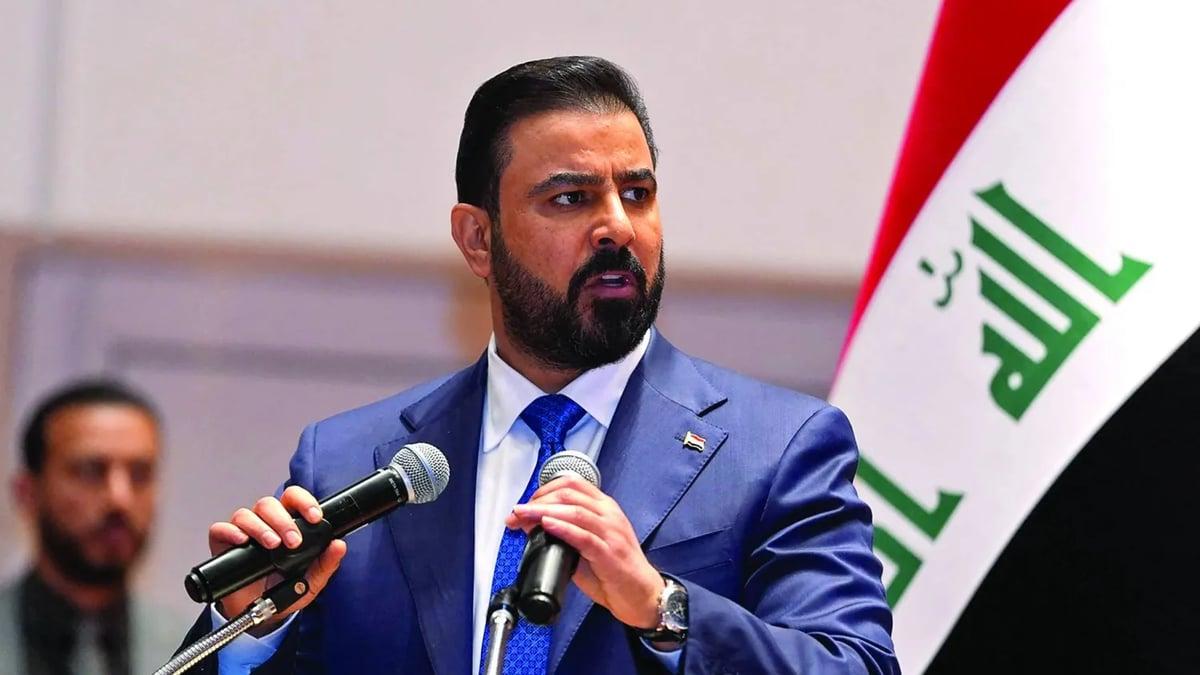
Al Jazeera reported that political analyst Ghaleb Al-Daami said al-Zaidi’s visit came as Baghdad tried to maintain relations with both the United States and Iran, and that the main objectives were to tell Iran to stop support for armed groups in Iraq and to deliver a message from the US.
In the same Al Jazeera account, the joint statement issued at the end of al-Zaidi’s visit said regional crises can only be resolved through dialogue, diplomacy and constructive engagement among regional countries, reaffirming support for peaceful political solutions based on the principles of international law.

Al Jazeera Net framed the trip as carrying "a message from Washington" and said a knowledgeable government source told it that the first message was "expressing goodwill," confirming that the visit to Washington did not aim to harm Iran or come at the expense of the relationship.
Al Jazeera Net also said the second message, according to the source, included Washington’s view that "the American administration does not seek to topple the Iranian regime," while sharp statements by American officials were made within the framework of the ongoing war and political and media pressures.
In contrast, Euronews reported that al-Zaidi’s visit came days after his first foreign trip since taking office in May, when from July 13 to 18 he traveled to the United States and met U.S. President Donald Trump, and it described the visit as occurring amid escalating tensions between the United States and Iran.
Trade, rail, and security stakes
Beyond diplomacy, the Al Jazeera report said Iraq remains heavily reliant on Iranian natural gas and electricity and that bilateral trade exceeds $12bn annually, while it also said the two sides agreed to speed up the Basra-Shalamcheh railway project and expand cooperation in banking, energy, transport and transit. Anadolu Ajansı reported that during al-Zaidi’s Tehran visit, Iraq and Iran signed four agreements and memoranda of understanding in transport, railways, local administration, and human resources training, including an MoU to extend a railway line linking Kermanshah, Khosravi, and Khanqin to Baghdad. Anadolu Ajansı also said the agreements were signed on the Iraqi side by the ministers of Foreign Affairs, Electricity, Finance, and Planning, and it added that al-Zaidi met Iranian Judiciary Chief Gholam-Hossein Mohseni-Eje'i to discuss strengthening bilateral relations, especially in the judicial field.
In parallel, Al Jazeera Net said the prime minister would inform Iranian officials that continued closure of the Strait of Hormuz and the resulting restrictions on Iraqi oil exports would worsen Iraq’s economic and security situation inside Iraq. Al Jazeera Net further reported that political researcher غالب الدعمي said the visit was at a highly sensitive time for Iraq’s balancing between the United States and Iran, and it quoted him saying the main objectives included informing Tehran that support for factions tied to the principle of 'unity of the arenas' must stop.