Middle East12 November, 20252 min read
Iraqi Prime Minister Mohammed Shia' Al-Sudani Leads Election Count, Takes Shiite Heartland
Reconstruction and Change won about 1.3 million votes, roughly 370,000 ahead of nearest rival Coalition led in Shiite-majority provinces, dominating Baghdad, Karbala, Najaf and southern governorates
11 outlets told this the same way.
Iraq parliamentary vote update
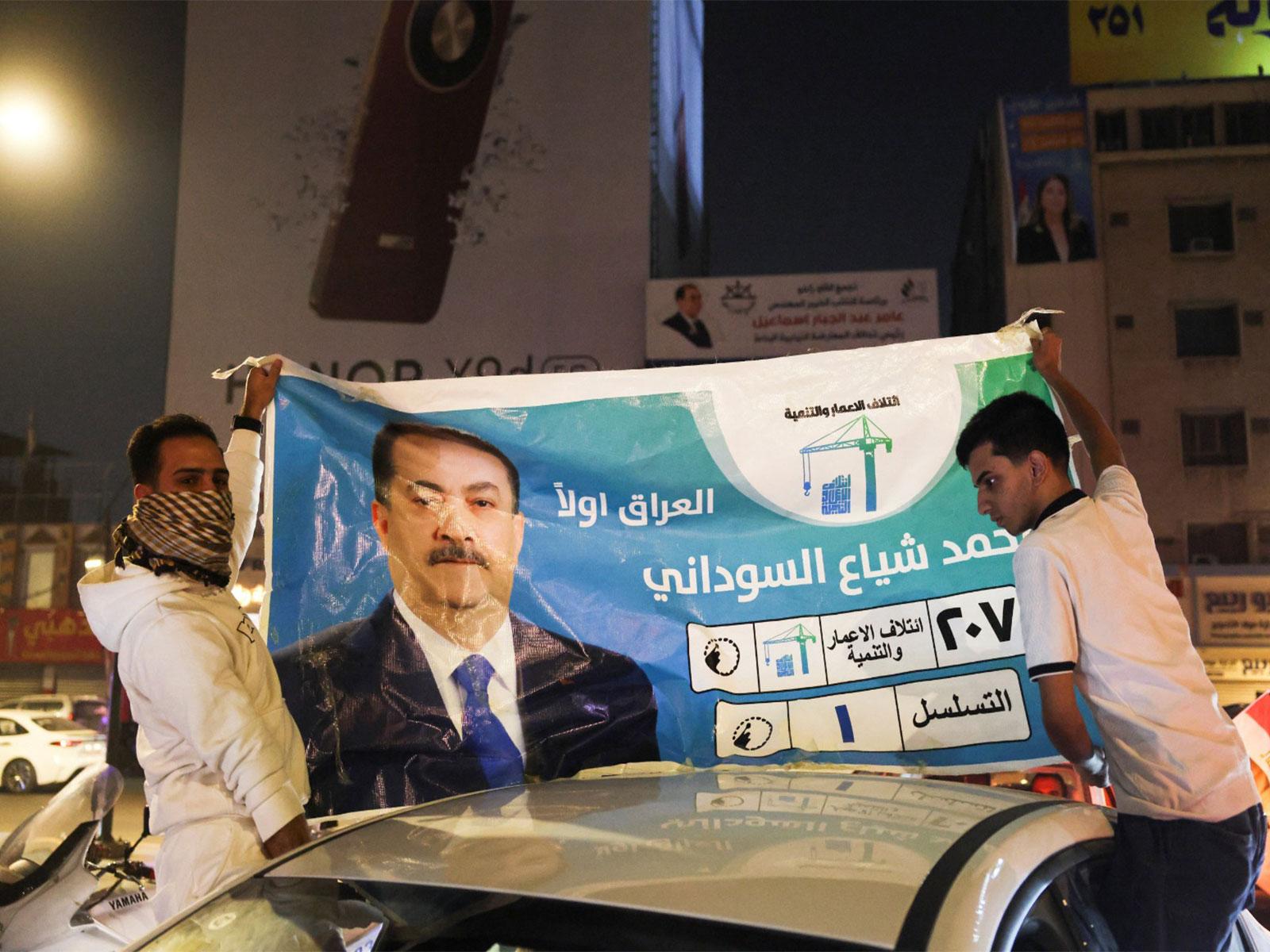
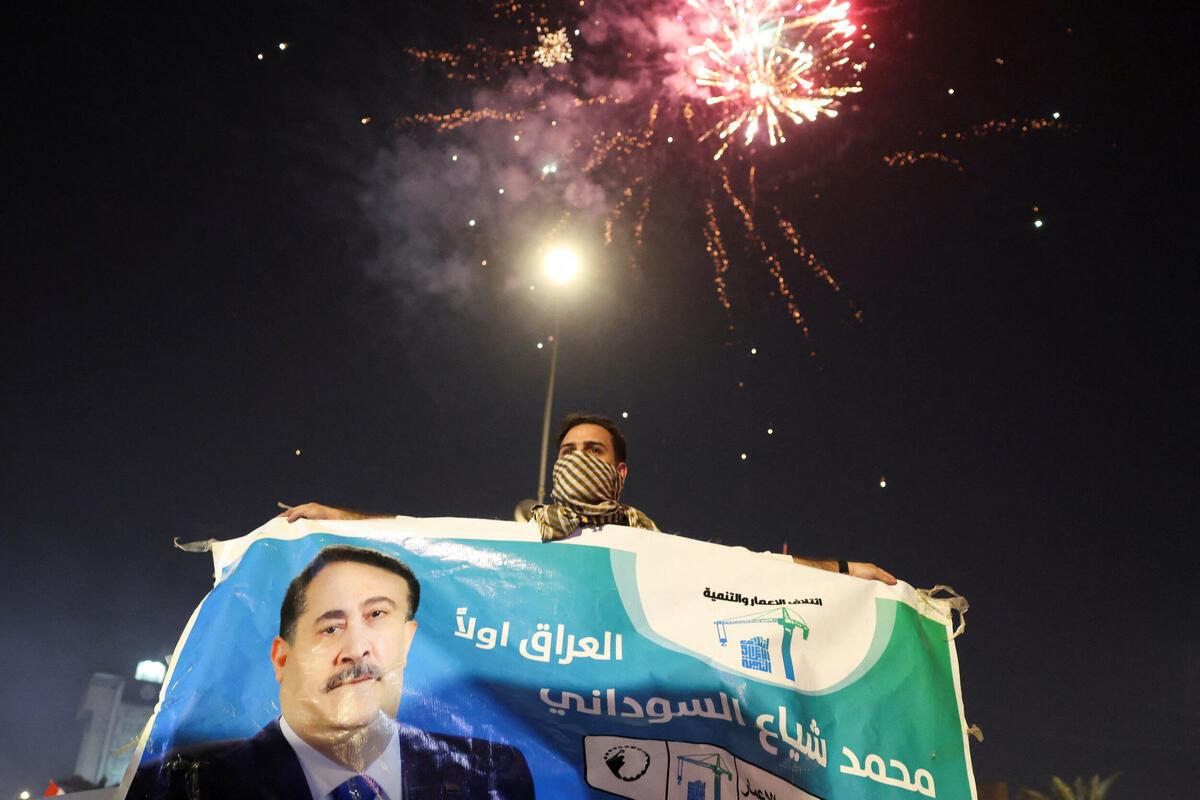
Preliminary counts from Iraq’s parliamentary vote show Prime Minister Mohammed Shia al-Sudani’s Reconstruction and Development/Change coalition emerging as the leading bloc. Reports cite roughly 1.3 million votes for his list and turnout at about 56 percent (reported as 56% or 56.11%). No single party or list secured a majority in the 329-seat parliament.
Multiple outlets say this sets up likely protracted coalition negotiations to form the next government. Sources note the lead was concentrated in many Shiite-majority provinces and that final seat allocations await certification and appeals.

Provincial election results
Al-Sudani's coalition took key Shiite heartland provinces: Baghdad, Karbala, Najaf, Muthana, Maysan, Qadissiyah, Babil and Dhi Qar. Sunni parties and Kurdish parties dominated their respective regions. Observers noted surprises at the provincial level, including the Kurdistan Democratic Party (KDP) topping Nineveh.
Diyala saw no Kurdish winners for the first time since 2005. Basra went to the Tasmeem list. Kirkuk returned a PUK lead in some reports.

Election administration and complaints
Election administration, security and complaints received differing emphasis across reports. The Supreme Election Commission and security authorities were praised for broadly successful administrative and security measures. Al-Jazeera Net noted the Interior Ministry deployed about 170,000 personnel and that manual and electronic counts matched.
“Security and administrative measures were judged successful; the Interior Ministry deployed about 170,000 personnel to protect polling sites and the prime minister called the vote safe and stable. The Supreme Election Commission completed counting, reporting 56.11% turnout from 99.98% of polling stations and saying manual and electronic counts matched.”
Al-Jazeera Net also reported one major violent incident, a scuffle outside a Kirkuk polling office that left two police officers dead. At the same time, outlets recorded complaints: thenationalnews cited 40 complaints about early voting and 37 about the main ballot, and Al-Jazeera Net and Uzalendo noted that results were provisional and subject to appeals and certification.
Iraq election implications
West Asian outlets emphasize al-Sudani's need to balance ties with Iran and the United States, framing his list's lead as a test of governance and regional alignment. Other media stress that his bloc may rely on fractious alliances, noting that the Shiite "Coordinating Framework" that backed him in 2022 is described as divided. Many voters, especially young Iraqis, may view the election as a reshuffle rather than genuine reform.
Analysts and reports converge that forming a stable government will require intensive negotiations. Al-Sudani is seen as a likely frontrunner if results are certified, but the ultimate outcome remains uncertain.