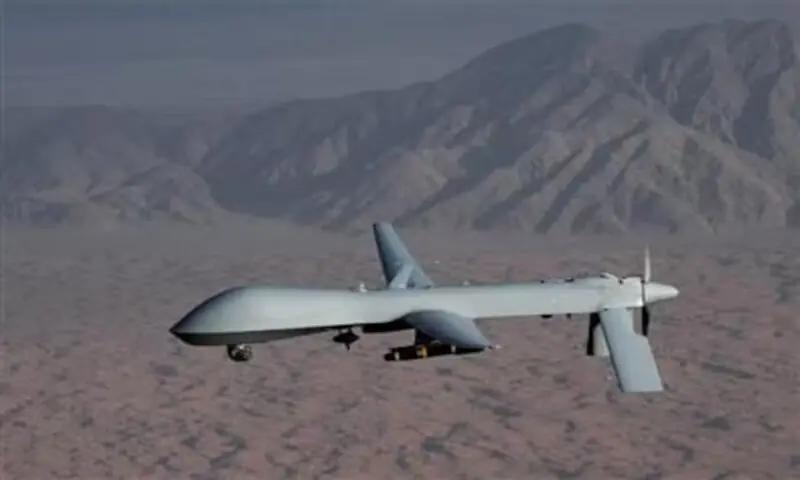
IRGC Fires Missiles at US Bases in Kuwait and Bahrain After US Drone Strikes
Key Takeaways
- IRGC struck Ali Al-Salem Air Base in Kuwait and Bahrain's Fifth Fleet.
- IRGC says the strikes retaliate for US drone attacks on Iranian territory.
- Air raid sirens activated in Bahrain after Iranian missile strikes.
Drones, missiles, and bases
The BBC says the US and Iran exchanged strikes in the Gulf as American forces targeted Iranian drones and radar sites while Iran fired missiles at US bases in the Gulf, with the US military describing four Iranian "one-way attack drones" as posing an "immediate threat to regional maritime traffic".
The BBC reports that Iran retaliated by firing ballistic missiles at two US air bases in Kuwait and the US Navy facilities in Bahrain, and it adds that Centcom said of seven Iranian missiles fired, six were intercepted and one did not reach its target.
The Guardian describes air raid sirens in Bahrain on Saturday and says Kuwait’s military was intercepting drones and missiles launched at the country, after the US and Iran exchanged strikes over the Gulf.
In the same Guardian account, the IRGC said it was targeting the Ali al-Salem airbase in Bahrain where the US navy’s 5th fleet is located, after the US said it shot down four Iranian drones and struck Iranian coastal surveillance radar sites.
The BBC also places the flare-up in the context of a ceasefire that has been in place since April, saying the exchanges threatened it while ceasefire negotiations between the US and Iran stalled.
Competing claims and warnings
The Guardian says the Kuwaiti foreign ministry condemned the attacks as a “serious escalation” and a “flagrant violation of its sovereignty”, while it added that Kuwait reserved the right to defend its country.
In the same Guardian report, the IRGC said it had targeted “enemy bases” in the Gulf after the US strikes on Sirik and Qeshm Island, and it quotes Centcom saying “Iran fired seven ballistic missiles toward Kuwait and Bahrain,” with six intercepted and a seventh not reaching its target.

The BBC reports that Tehran called the US strikes a "flagrant" violation of the ceasefire agreement, and it says the Iranian foreign ministry described the US strikes on radar installations in Sirik and at Qeshm island as a "flagrant" violation of the ceasefire.
The BBC also says Iran’s Islamic Revolution Guard Corps (IRGC) told reporters it had hit "enemy bases" as retaliation to the American strikes.
The Guardian further frames the exchange as a strain on efforts to extend the truce, noting that US-Iran negotiators have been working to extend the ceasefire by 60 days and start a new round of talks on Iran’s nuclear programme.
Energy chokepoint and fallout
The BBC says the US and Israel launched wide-ranging strikes on Iran on 28 February, and it reports that Iran responded by attacking Israel and US-allied states in the Gulf and effectively closing the Strait of Hormuz, through which around 20% of the world's oil and liquefied natural gas travels.
The BBC adds that the closing of the strait sent oil prices soaring globally, and it says that shortly after a ceasefire was agreed in early April, the US established a blockade of Iranian ports that Trump said would remain "in full force and effect until an agreement is reached, certified, and signed".
The Guardian reports that the US military is enforcing a blockade on Iranian ports in response to Tehran’s chokehold on the strait, and it says the World Food Programme (WFP) warned that millions of people were being pushed into hunger due to the knock-on effects of the Iran war.
The Guardian also says the US central command described the drone threat as “posed an immediate threat to regional maritime traffic” and said the strikes on radar installations were to “defend against further attacks,” linking the latest exchange to continued pressure on shipping routes.
In the BBC account, the flare-up occurs as ceasefire negotiations stall, with Iran’s foreign ministry spokesman saying the US was "constantly changing its views and putting forward new or contradictory demands".
More on Iran
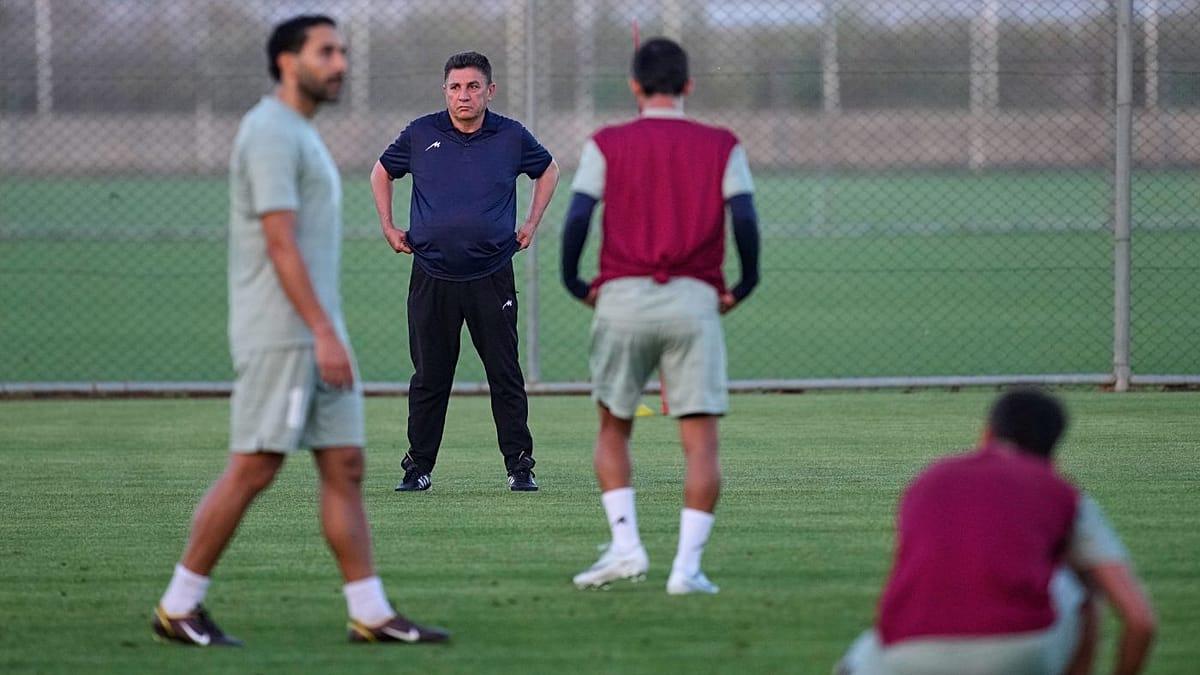
Iran Accuses United States of Blocking World Cup Staff Before 2026 Campaign
13 sources compared
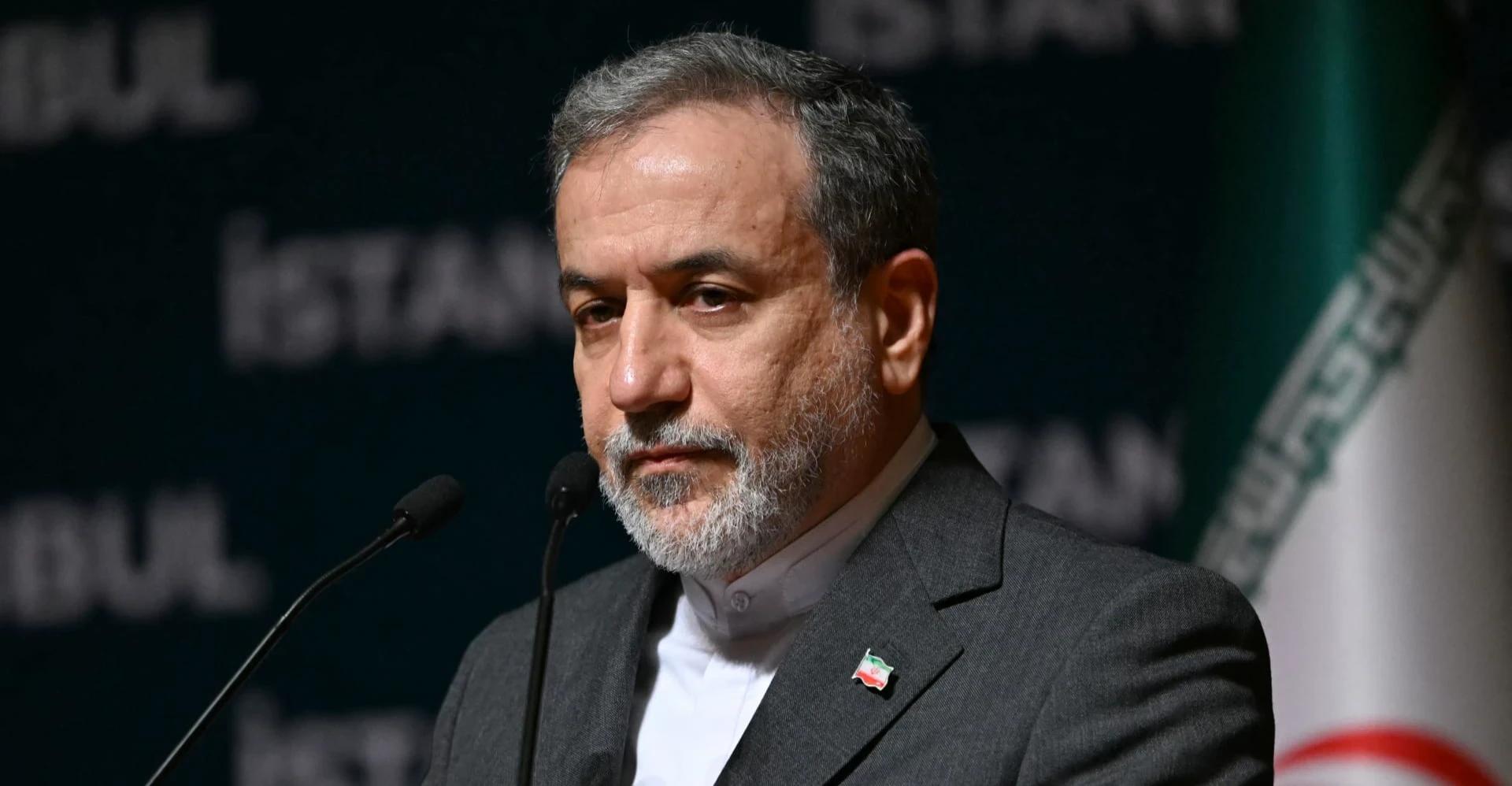
Iran's Araghchi Rebukes Lebanon President Joseph Aoun, Urges Him to Confront Israel
25 sources compared
US Downs Seven Iranian Missiles Over Kuwait and Bahrain After IRGC Strikes US Bases
13 sources compared

Pentagon Raises Israel Espionage Threat To Critical Over Iran Negotiations, Targeting Steve Witkoff
10 sources compared