
IRGC Fires Warning Shots at Four Vessels Near Strait of Hormuz Without Authorization
Key Takeaways
- IRGC Navy asserts full control over Hormuz, requiring IRGC authorization for all transit.
- Khatam al-Anbiya Central Headquarters coordinates Hormuz traffic and warns against violations.
- Transit figures with authorization range 20–24 vessels in 24 hours.
IRGC warnings and shots
Iran’s Islamic Revolutionary Guard Corps (IRGC) navy fired warning shots at four vessels near the Strait of Hormuz after the ships attempted to pass through the waterway without authorization, according to a post published on an IRGC-affiliated Telegram channel.
The Telegram post said the vessels sought to transit the strait “without prior coordination or authorization,” while the report did not identify the ships or provide additional details about the encounter.
The developments unfolded as US and Iranian representatives reached preliminary understandings Thursday night on a proposed 60-day memorandum designed to extend the ceasefire and open negotiations on Tehran’s nuclear program, according to CNN.
In parallel, Iran’s semi-official Fars News Agency reported Friday that Iranian armed forces launched missiles from southern Iran toward “designated targets,” and it remained unclear whether those missile launches were related to the maritime incident described by the IRGC-affiliated account.
Authorization regime and threats
Iran’s Khatam al-Anbiya Central Headquarters said Saturday that Iran’s armed forces are exercising “full authority” over the Strait of Hormuz and that commercial vessels and oil tankers must obtain authorization from the IRGC Navy before transiting.
In a statement, the headquarters said that under the unified management of the strait, “all ships, commercial vessels, and oil tankers are required to navigate only through designated routes and obtain authorization from the IRGC Navy.”

The military command warned that violations could endanger maritime transit security and cautioned foreign naval forces against interfering, adding that “Any attempt by military vessels to interfere in the management of the Strait of Hormuz or disrupt maritime traffic will be targeted by the Armed Forces of the Islamic Republic of Iran.”
US Central Command (CENTCOM) said its forces disabled a “Gambia-flagged vessel attempting to sail toward an Iranian port” on Friday after issuing more than 20 warnings, and it said a US aircraft disabled the ship by firing a Hellfire missile into its engine room.
Ceasefire talks amid escalation
The Strait of Hormuz dispute is unfolding alongside negotiations over a ceasefire extension and nuclear talks, with the Media Line reporting a proposed 60-day memorandum and CNN saying President Donald Trump has not yet approved the arrangement.
The same reporting said the proposal would temporarily extend the ceasefire, reopen the Strait of Hormuz to unrestricted shipping traffic, and establish a negotiating process focused on Iran’s nuclear activities, while Axios said the framework would include an Iranian declaration that it would not pursue nuclear weapons.
At the same time, the New Region reported that on Friday Trump said Iran must agree to conditions including never obtaining a nuclear weapon and fully reopening the Strait of Hormuz, while Iranian media also reported that the blockade remained in place despite Trump’s announcement.
The New Region also said CENTCOM reported that it had redirected 111 merchant ships so far under maritime blockade measures imposed on Iran to ensure compliance with new navigation restrictions in the Hormuz Strait area, as it described US naval deployment in the Gulf and the Arabian Sea as heavy.
More on Iran
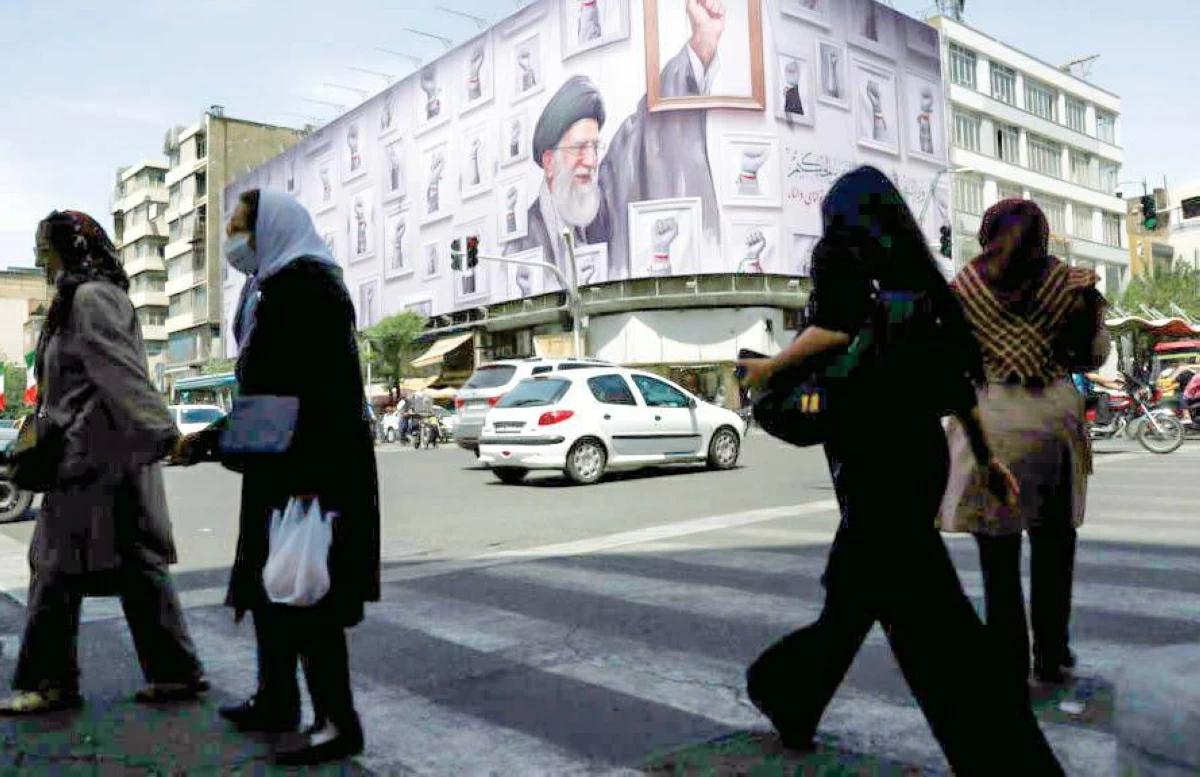
Pete Hegseth Threatens To Restart US Strikes Against Iran If No Deal Reached
10 sources compared
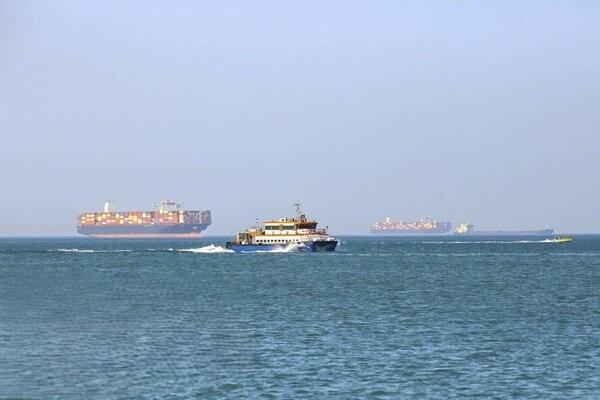
Qatar Rejects Permanent Strait Of Hormuz Toll, Says Temporary Fee Negotiable At Shangri-La Dialogue
12 sources compared
Iran’s Armed Forces Exercise Full Authority Over Strait of Hormuz, IRGC Navy Demands Route Permissions
15 sources compared

Greek National Ioannis Aidinidis Charged With Assisting Iran Targeting UK Journalist
11 sources compared