Iran01 March, 20262 min read
IRGC Says It Struck USS Abraham Lincoln With Four Ballistic Missiles; US Denies Hit
IRGC announced it fired four ballistic missiles at the USS Abraham Lincoln U.S. Central Command denied any hit, saying the missiles "didn't even come close"
41 outlets told this the same way.
IRGC missile claim
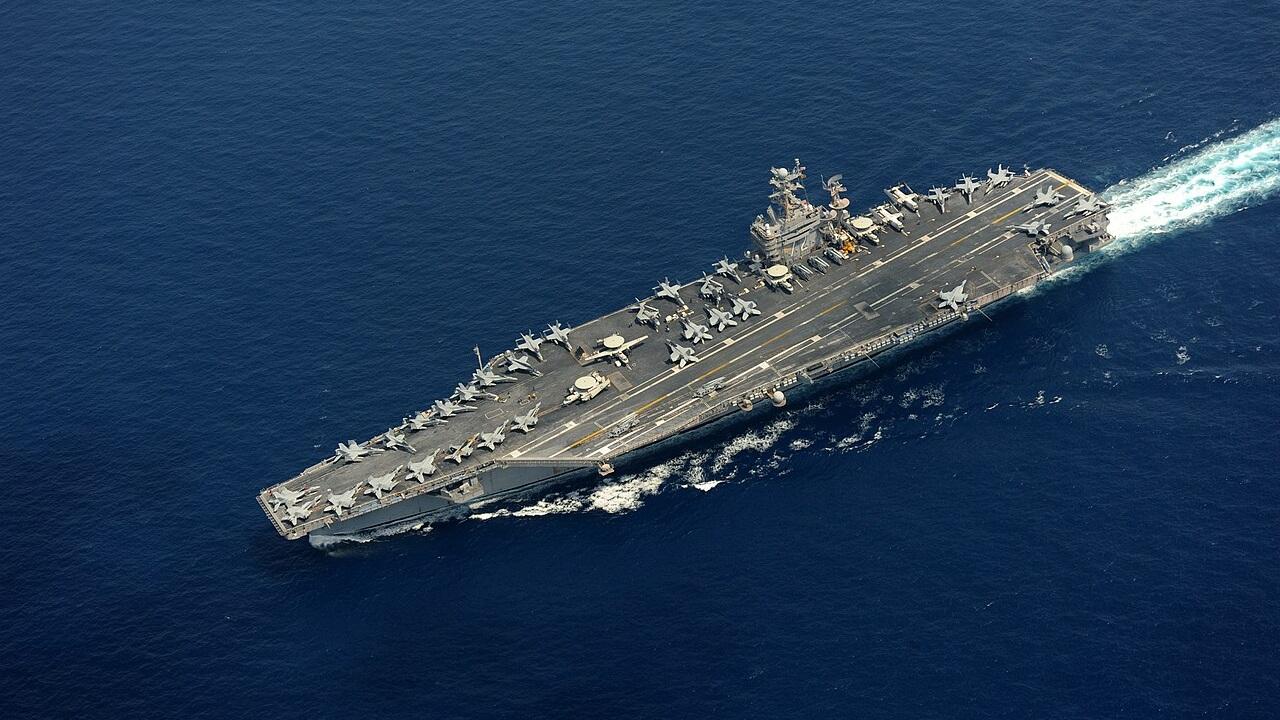
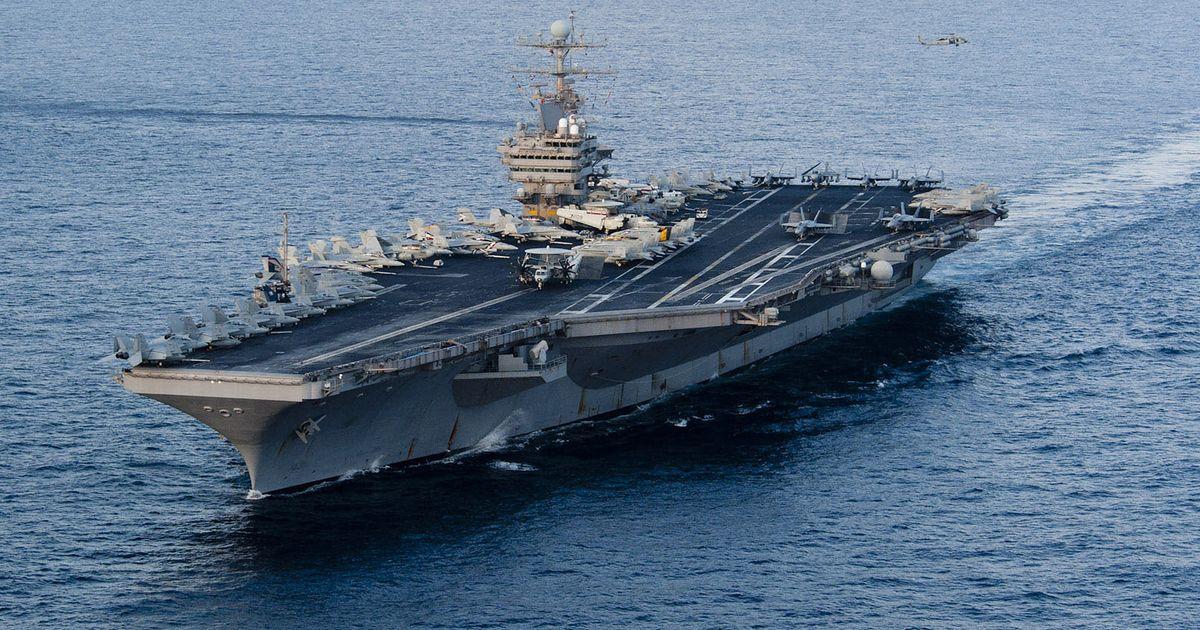
On March 1, Iran’s Islamic Revolutionary Guard Corps (IRGC) publicly claimed it fired four ballistic missiles at the U.S. Nimitz‑class aircraft carrier USS Abraham Lincoln.
“The Islamic Revolution Guards Corps (IRGC) said it struck the US aircraft carrier USS Abraham Lincoln with four ballistic missiles and called the attack successful.”
The IRGC said the launch was part of an operation it called "True Promise 4" (also presented as "Operation True Promise‑4").

The IRGC framed the action as a new phase of retaliation after U.S.-Israeli strikes.
Iranian state and state-linked outlets carried the IRGC statements, which described the attack as successful and warned of expanded strikes on U.S. and allied assets.
CENTCOM denial of claim
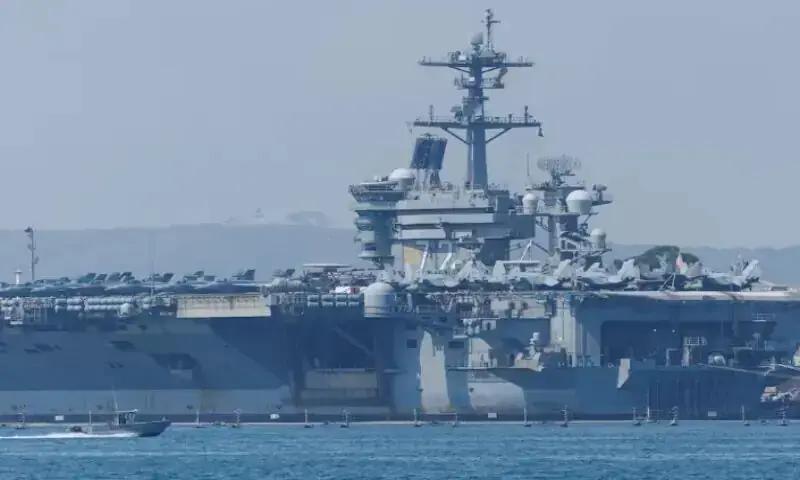
U.S. Central Command (CENTCOM) immediately and publicly denied the IRGC’s claim, posting that the USS Abraham Lincoln "was not hit" and that the missiles "didn’t even come close," adding that the carrier continued flight operations in support of CENTCOM missions.
Several Western outlets and CENTCOM’s X posts characterized the IRGC account as false.
Gulf escalation and strikes
The missile claim came amid a fast‑escalating regional confrontation. Iranian outlets and the IRGC tied their actions to what they described as U.S.-Israeli strikes that they said had killed Supreme Leader Ayatollah Ali Khamenei. Reporting showed launches and strikes across the Gulf and beyond and heavy casualties on all sides.
“The Pentagon separately reported three US service members killed and five seriously wounded in operations against Iran — the first announced US casualties since, the article says, Washington’s bombardments that it reports killed Iran’s supreme leader, Ayatollah Ali Khamenei.”
Reporting cited Iranian state media and regional officials saying hundreds were killed in Iran and strikes hit sites in the UAE, Kuwait and Bahrain. At the same time, CENTCOM and other U.S. statements confirmed U.S. casualties and strikes on Iranian vessels.
Unverified battlefield claims
Independent verification of the IRGC’s claim, and of multiple other battlefield assertions including the reported killing of Iran’s Supreme Leader, was not available in the reporting. This left competing official narratives in direct conflict and observers warned that misinformation could drive miscalculation. Several outlets explicitly noted that the IRGC account was presented as a claim and remained unverified.
Incident impacts and reactions
Analysts and multiple reports warned that the episode has immediate practical effects and poses escalation risks. Regional airspace and international flights were disrupted. Commercial hubs and bases were reported hit or threatened.
“Much regional airspace has been closed and international carriers have suspended hundreds of flights.”
Diplomatic missions faced unrest. Leaders and publics issued strong rhetoric that could harden responses.
International reactions ranged widely. The situation’s fluidity raised concerns about broader economic and humanitarian impacts.