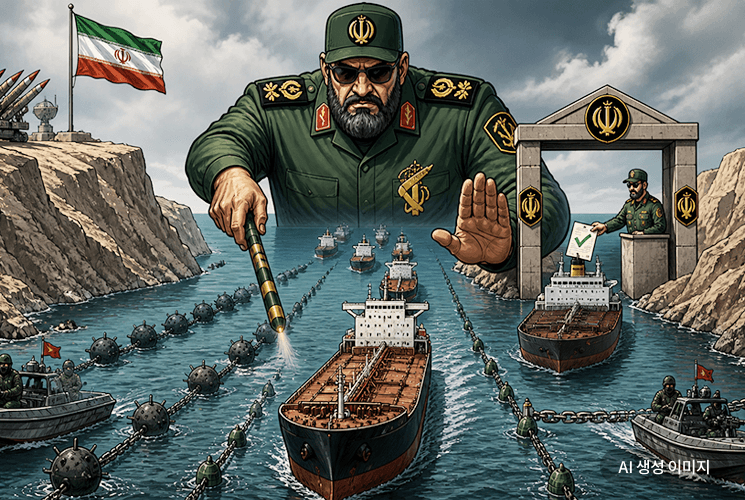
IRGC Says Strait of Hormuz Safe Passage After Trump Pauses U.S. Guidance
Key Takeaways
- IRGC says safe passage through Hormuz will be provided after US pause.
- Vessels must use designated Hormuz routes or face decisive action from IRGC.
- US paused operations guiding strait transit amid progress toward an Iran deal.
Hormuz Transit Promised
Iran’s Islamic Revolutionary Guards Corps (IRGC) said safe passage through the Strait of Hormuz would be provided after President Donald Trump paused a U.S. military effort to guide merchant vessels, linking the move to “the end of the aggressors’ threats and in light of new procedures.” The IRGC navy command said the transit would be “safe and sustainable,” while adding that it would not provide details about the new procedures. Trump, meanwhile, warned that U.S. bombing would resume if no agreement is reached, writing: “If they don’t agree, the bombing starts, and it will be, sadly, at a much higher level and intensity than it was before.” The NPR report also said the strait has been effectively closed since the U.S. and Israel launched their attack on Iran on Feb. 28, disrupting global energy supplies and pushing up fuel prices.
“Yes, according to sources involved in mediation, the US and Iran are nearing an agreement on a proposed memorandum to formally end the war in the Gulf”
Trump’s Threat, Iran’s Review
In parallel with the IRGC statement, Iran confirmed it is reviewing a U.S. proposal and said it would convey its views to Pakistan, the mediating country that has relayed messages and hosted talks between Iran and the U.S. Iranian Foreign Ministry spokesperson Esmaeil Baqaei told Iran’s state ISNA news agency that “The American plan and proposal is still being reviewed by Iran.” The same NPR account said Trump wrote that the war would end once an agreement is reached with Iran, while warning that U.S. bombing would resume if not. The Radio Free Europe/Radio Liberty report added that in an earlier official reaction to the suspension of U.S. naval operations in the strait, the IRGC said safe passage would be possible once “the threats of aggressors” end and “new procedures” are implemented.
Shipping Disruptions Persist
While Iran and the United States traded statements about transit and bombing, the sources described continued restrictions and limited movement through the Strait of Hormuz. Anadolu, via ANA News Agency, said that in the 24 hours to 09:00 GMT on Tuesday, only four commercial vessels in two directions passed through the energy corridor. In a separate Reuters-based report carried by إرم بزbusiness, MarineTraffic data showed that only one tanker—a small-sized sanctions-listed LNG carrier—passed through the strait into the Gulf of Oman, with no signs of an uptick in ship traffic despite Trump’s announcement that the United States would begin efforts to restore freedom of navigation. The same Reuters-based account said the German shipping group Hapag-Lloyd reported that passage of its vessels remains impossible due to a lack of clarity about safe-passage procedures, keeping uncertainty tied to the “new procedures” Iran referenced.
More on Iran
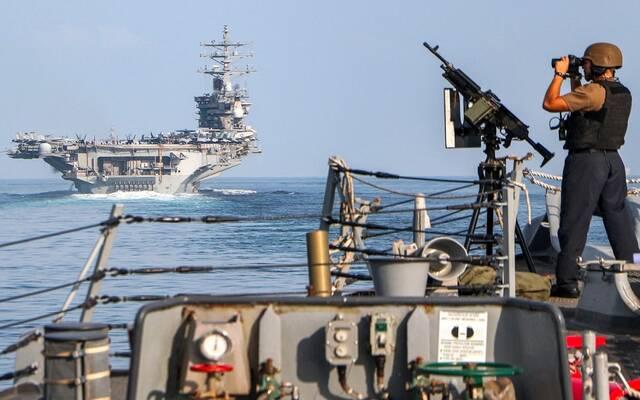
U.S. Navy F/A-18 Super Hornet Disables Iranian-Flagged M/T Hasna After Blockade Breach Attempt
26 sources compared

Iranian Airstrikes Damage Or Destroy 228 Structures at U.S. Bases, Washington Post Satellite Review Finds
12 sources compared
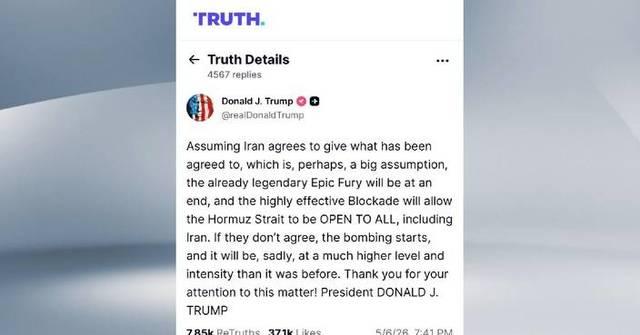
Trump Threatens Much Higher Bombing Against Iran If Peace Deal Is Not Reached
19 sources compared
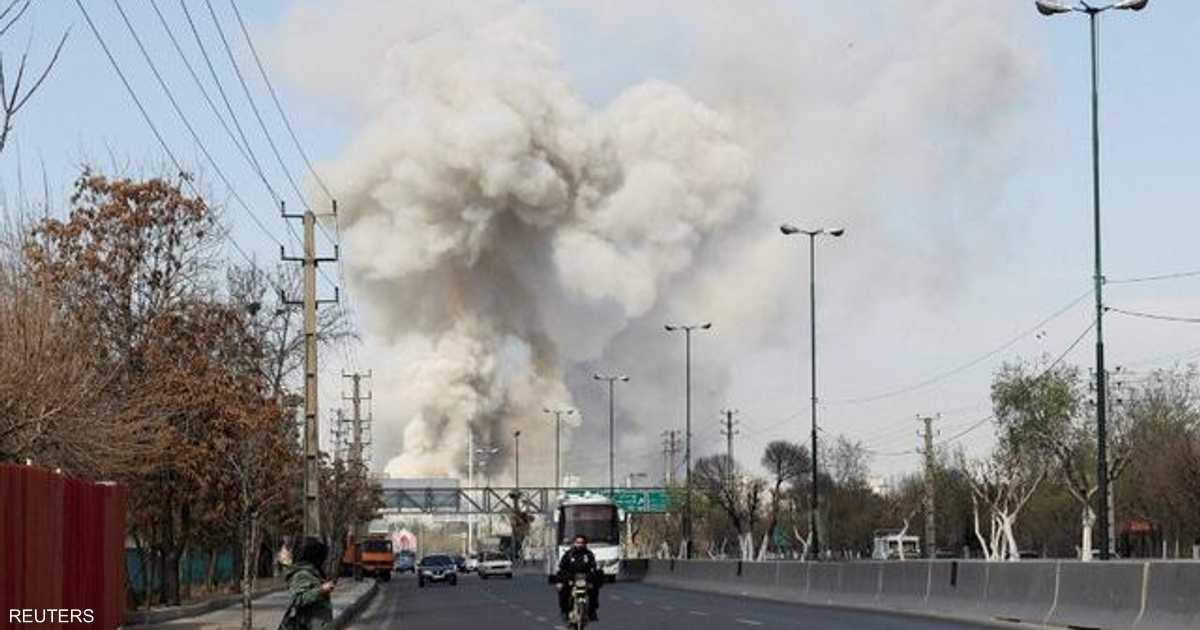
Donald Trump Pauses Project Freedom, Keeps Blockade of Iranian Ports in Place
15 sources compared