
Gaza Genocide · 05 May, 2026 · 6 min read
Isaac Herzog Pushes Netanyahu Plea Deal as Attorney-General Bars Preconditions
Attorney General Baharav-Miara open to plea talks with Netanyahu without preconditions. President Herzog launched mediation efforts to discuss a possible prosecution deal.
Whether Netanyahu’s camp/location proposal is accepted and how talk logistics are resolved.
8 of 10 outlets skipped it: a potential plea deal would likely require conditions such as resignation/withdrawal from public positions and/or admission/remorse (expert/political analysis detail)..
11outlets compared
Same story, two versions
tap a side to read it in full
ynetnews
““Herzog has effectively paused deliberations on the pardon and asked the prosecution and defense to examine whether a negotiated plea deal could be reached in the corruption cases against him.””Read the original ↗
ممكان
““تأتي هذه الدعوة ضمن 'المسار التمهيدي' لاستكشاف إمكانية الوصول إلى تفاهمات بين النيابة والدفاع قبل اتخاذ قرار بشأن طلب العفو الذي قدمه نتنياهو””Read the original ↗
The difference affects interpretation of political intent: whether Herzog is choosing plea mediation as a substitute track, or strictly using talks as a prerequisite before deciding on clemency.
Gaza War, ICC and Israel
The war in Gaza sits in the background of Israel’s political and legal turmoil as Prime Minister Benjamin Netanyahu’s corruption trial continues and his legal exposure expands beyond domestic courtrooms.
“charged with war crimes and crimes against humanity against Palestinians in the Gaza Strip during a genocidal war that began in 2023”
Anadolu Ajansı reports that Netanyahu has also been wanted since 2024 to appear before the International Criminal Court, “charged with war crimes and crimes against humanity against Palestinians in the Gaza Strip during a genocidal war that began in 2023.”

The same Anadolu account frames the trial’s stalled procedural moments—such as a Monday session canceled due to “security consultations until dawn”—as happening while the broader Gaza-related legal pressure remains active.
In parallel, the Israeli coverage of Herzog’s plea-deal initiative emphasizes that the president’s effort is aimed at resolving Netanyahu’s corruption cases without disrupting the ongoing trial, even as the charged atmosphere in Israel is described as “especially amid wartime conditions.”
The Jerusalem Post and ynetnews both describe how President Isaac Herzog’s legal track is designed to keep the trial moving, with the Attorney-General’s Office insisting that any dialogue with the defense must not include “preconditions” and must not “harm the progress of the trial.”Y
Together, the sources place Gaza-related international charges alongside a domestic negotiation process that is constrained by the requirement that proceedings continue.
Herzog’s Mediation Track
President Isaac Herzog’s intervention is described across multiple Israeli outlets as a preparatory step that pauses deliberations on a pardon request while exploring whether a plea agreement can be reached in Netanyahu’s corruption cases.
The Jerusalem Post says the Attorney-General’s Office told President Isaac Herzog’s legal adviser late Sunday night that “the prosecution is prepared to hold dialogue with the defense toward formulating an appropriate plea bargain,” but only “provided that there are no preconditions to the dialogue and without harming the progress of the trial, as is customary.”

It adds that the response was sent in a letter signed by attorney Yonatan Kramer, an assistant to Attorney-General Gali Baharav-Miara, and addressed to Michal Tsuk-Shafir, the president’s legal adviser, in response to her April 28 letter.
ynetnews similarly frames Herzog’s move as effectively pausing deliberations on the pardon and asking the prosecution and defense to examine whether “a negotiated plea deal could be reached,” while noting that the sides set two key conditions: “that there be no preconditions for the talks, and that any discussions do not delay or disrupt the ongoing trial.”Y
The sources also emphasize that the location of talks remains unresolved, with ynetnews stating that the sides “did not agree to Herzog’s proposal that the talks be held at the presidential residence in Jerusalem.”
The Arabic-language reporting likewise describes the invitation as “constitutes an initial phase” before Herzog holds an official discussion about the pardon request itself, and it notes that there is “no final decision yet regarding her participation.”
Conditions, Cancellations, and Trump Pressure
The sources connect the plea-deal initiative to a series of procedural constraints and security-driven disruptions, while also describing external pressure from the United States.
“security consultations until dawn”
Anadolu Ajansı reports that a session scheduled for Monday at the Central Court in Tel Aviv for Netanyahu’s trial was canceled because Netanyahu was conducting “security consultations until dawn,” and it specifies that the request came from “Attorney Amit Haddad, head of Netanyahu's defense team.”
It states that the broadcaster said Haddad justified the request by noting that Netanyahu held “security consultations until the early hours,” without disclosing the nature of the security topics.
Anadolu also says that the government’s chief legal adviser, Gali Beharav-Miarra, informed President Isaac Herzog of her readiness to negotiate with Netanyahu’s defense team to reach a settlement and an indictment deal, but that she insisted “there be no preconditions from Netanyahu’s team and without affecting the course of the trial.”
In parallel, multiple sources describe U.S. President Donald Trump urging Herzog to issue an immediate presidential pardon, with Trump’s rationale tied to wartime focus.
The Arabic-language reporting adds that Trump’s pressure is accompanied by direct attacks on Herzog, quoting Trump’s description of Herzog as “weak and miserable” for not taking the decision.
Divergent Frames of the Same Move
While the core facts of Herzog’s initiative are consistent—talks aimed at a plea bargain under conditions that preserve the trial—different outlets frame the political meaning and the procedural posture in distinct ways.
The Jerusalem Post emphasizes the prosecution’s formal readiness to “hold dialogue” while narrowing the scope by saying the Attorney-General’s Office response “does not resolve whether plea bargain talks will in fact take place, how they would be conducted, or where such talks would be held.”
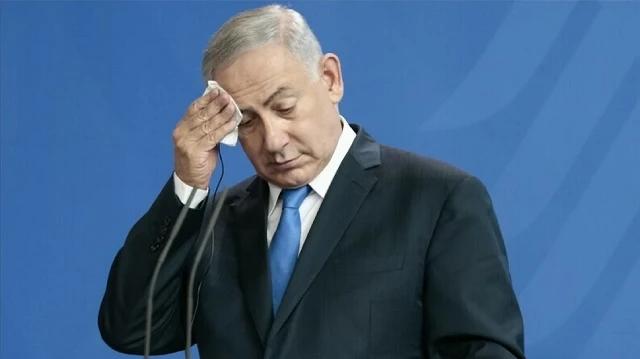
It also highlights that the wording is “narrower than an agreement to meet Netanyahu’s defense team at a specific time or place,” and it notes that the response “does not indicate any agreement by the prosecution to suspend or slow the trial.”
ynetnews, by contrast, focuses on the “plea deal maze” and describes Herzog’s approach as a “middle track” that is designed to test whether an agreement could “end the trial without forcing Herzog to immediately rule on the highly sensitive pardon request.”Y
The Arabic-language reporting in مكان and وكالة شهاب الإخبارية frames the same process as a mediation phase rather than a decisive ruling, with وكالة شهاب الإخبارية saying Herzog “does not intend at this time to grant a pardon” and prefers “a mediation track that could lead to a judicial settlement, such as a plea deal.”م
The الإمارات اليوم report adds a different emphasis by describing Herzog’s plan as “the only path” to bridge the rift and ease division, and it quotes the presidency statement that “First and foremost, before discussing the pardon request itself, exhaust any path that could lead to a settlement between the parties outside the courts.”
What’s at Stake Next
The sources describe the stakes of Herzog’s mediation track in terms of what any plea bargain would require, what Netanyahu has refused to do, and how the process could affect his political future.
“First and foremost, before discussing the pardon request itself, exhaust any path that could lead to a settlement between the parties outside the courts”
The الإمارات اليوم report says Herzog is moving toward a judicial settlement and that the presidency statement stresses exhausting settlement paths before discussing the pardon request, quoting: “First and foremost, before discussing the pardon request itself, exhaust any path that could lead to a settlement between the parties outside the courts.”
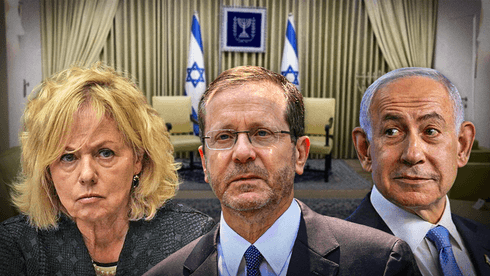
It also says Israeli legal experts note that any plea deal typically requires a defendant to admit a violation and impose a certain penalty, and it adds that “any settlement must be conditioned on his agreement to resign from his public positions.”
The same report quotes Yohanan Plesner, head of the Israeli Democracy Institute, saying: “Admitting guilt, expressing remorse, and agreeing to retire from political life and not run again are at the heart of any plea deal.”
In parallel, ynetnews describes that prosecutors have made clear any potential agreement would need “legal consequences,” including “the possibility of a finding of moral turpitude that could bar him from future public office,” and it notes that Netanyahu “has consistently denied the charges, has not expressed remorse and has not indicated willingness to leave politics.”Y
Finally, the Arabic-language reporting in عربي21 describes a scenario where a settlement could end Netanyahu’s political career through a legal designation of “moral disgrace,” and it states that the Knesset bar “could reach seven years.”