Ishaq Dar Urges Swift End to Middle East Conflict During Riyadh Talks
Key Takeaways
- Dar arrives in Riyadh to attend a meeting of regional Arab and Islamic foreign ministers.
- He calls for a swift end to the Middle East conflict and dialogue amid tensions.
- Arab and Islamic foreign ministers meet amid the Middle East crisis.
Riyadh Diplomatic Mission
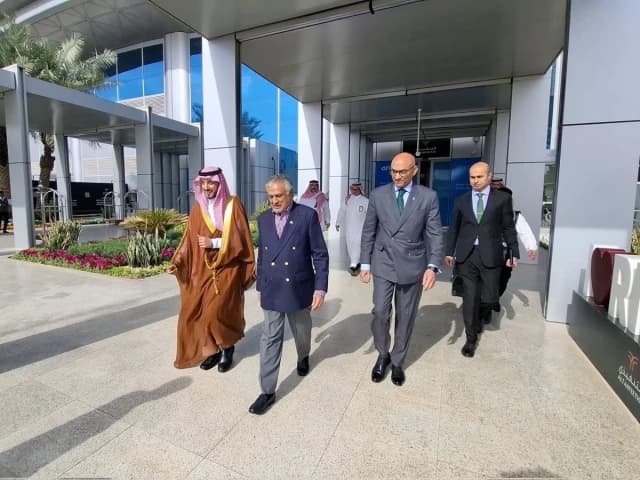
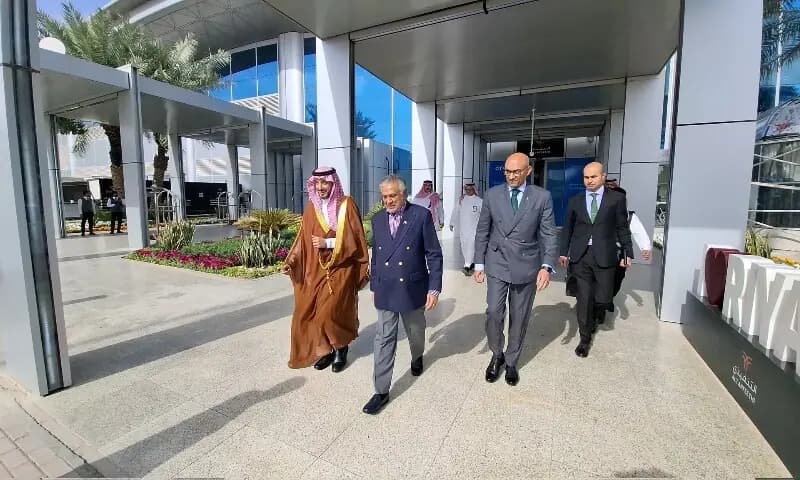
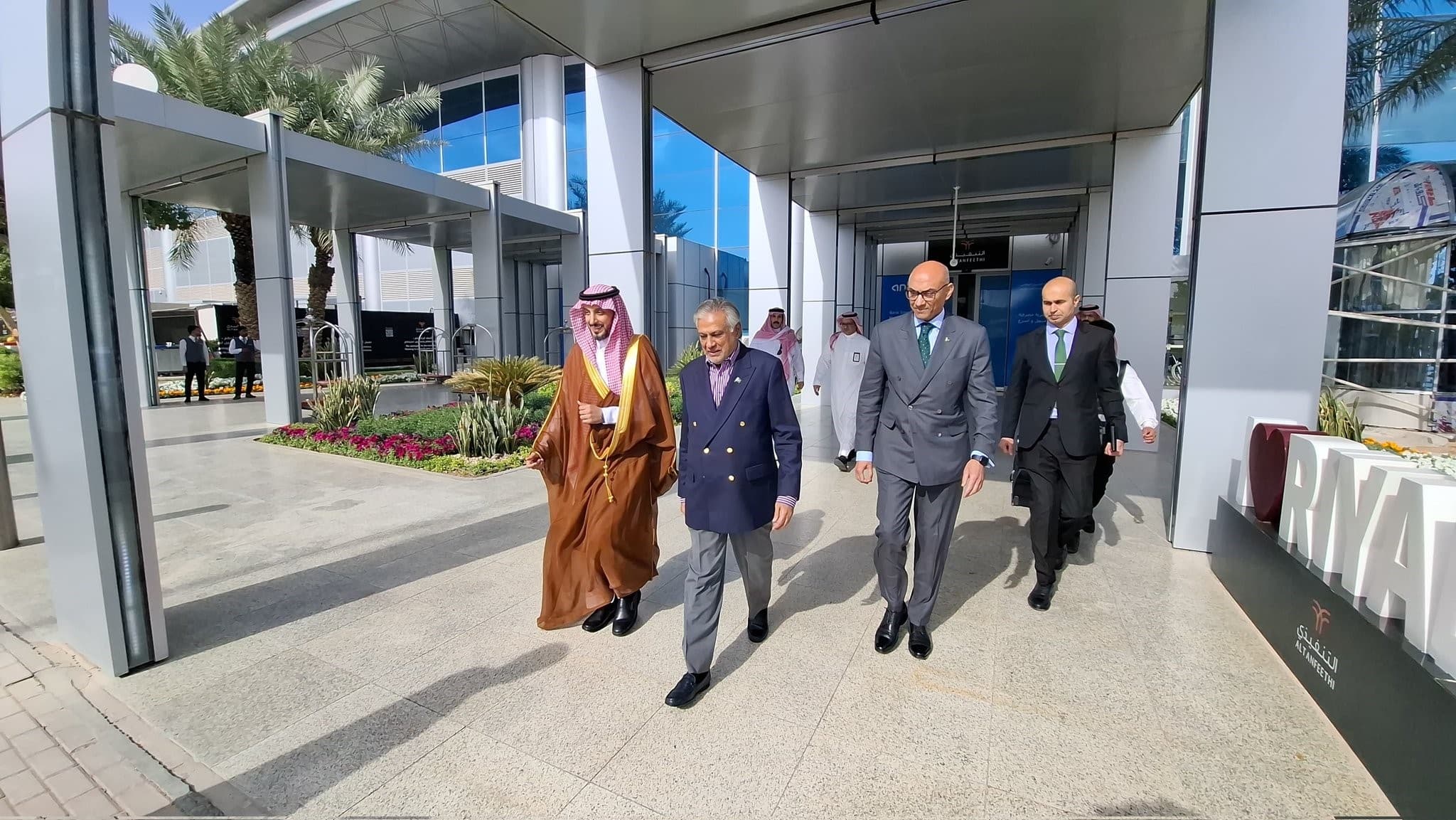
Deputy Prime Minister and Foreign Minister Ishaq Dar traveled to Riyadh on March 18-19, 2026, to participate in the Consultative Ministerial Meeting of Foreign Ministers from Arab and Islamic countries.
“Deputy Prime Minister and Foreign Minister Ishaq Dar arrived in Riyadh on Wednesday for a meeting with the foreign ministers of regional countries, where he will advocate for a “swift end” to the conflict in the Middle East, according to the Foreign Office (FO)”
He advocated for a swift end to the ongoing Middle East conflict during the meeting hosted by Saudi Arabia.
The meeting brought together regional foreign ministers including Turkish Foreign Minister Hakan Fidan to discuss regional developments amid escalating tensions.
Dar was received upon arrival by Pakistan's Ambassador to Saudi Arabia Ahmed Farooq along with senior representatives of the Saudi Arabian Foreign Ministry.
This visit represents Pakistan's ongoing diplomatic efforts to promote dialogue and stability in the region as the conflict continues to threaten regional security.
Pakistan's Bridge Role
The Foreign Office described Pakistan's role in regional diplomacy as that of a 'bridge builder,' emphasizing the country's pivotal position in stabilizing Middle East tensions.
This characterization reflects Pakistan's strategic approach to the crisis, positioning itself as a neutral mediator capable of facilitating dialogue between conflicting parties.
Pakistan has consistently called for the protection of sovereignty and territorial integrity of 'brotherly nations' in the region.
The FO highlighted Pakistan's commitment to playing a pivotal role in resolving the grave security crisis confronting the region through continuous diplomatic outreach and engagement.
Conflict Origins
The Middle East conflict that Dar is seeking to resolve began on February 28, 2026, with US-Israeli strikes on Iran.
“Dar arrives in Riyadh for meeting of Arab, Muslim FMs amid Middle East crisis FM to reaffirm support for regional sovereignty and urge dialogue as Iran-Israel tensions escalate Deputy Prime Minister and Foreign Minister Ishaq Dar arrived in Riyadh on Wednesday to attend a meeting of foreign ministers from regional Arab and Islamic countries as Pakistan continues diplomatic efforts to tone down the conflict in the Middle East”
These strikes triggered Iranian retaliation targeting US assets and bases in Gulf countries including Saudi Arabia.
This escalation has created a complex web of regional tensions that Pakistan seeks to de-escalate through diplomatic channels.
Iran's Foreign Minister Abbas Araghchi publicly thanked Pakistan for extending strong solidarity and support amid aggression from the United States and Israel.
The conflict has particularly affected Gulf states like Saudi Arabia, which have been targeted in Iran's retaliatory campaign.
Diplomatic Continuity
Dar's Riyadh visit represents Pakistan's third high-level diplomatic engagement with Saudi Arabia amid the ongoing tensions.
Previous visits included a March 7 meeting between Army Chief Asim Munir and Saudi Defence Minister Khalid bin Salman Al Saud.
This was followed by a March 12 restricted meeting between Prime Minister Shehbaz Sharif and Saudi Crown Prince Mohammed bin Salman.
During these engagements, Pakistani leadership has consistently expressed full solidarity and support while agreeing to work together for regional peace and stability.
The continuity of these high-level diplomatic contacts underscores Pakistan's strategic importance in regional security architecture.
Peace Advocacy
During the Riyadh meeting, Dar was specifically tasked with calling for an immediate cessation of hostilities.
“March 19, 2026 Deputy PM Ishaq Dar arrives in Riyadh to advocate for a swift end to the Middle East conflict, emphasizing Pakistan's role as a bridge-builder for regional stability”
He advocated for a return to dialogue and diplomacy as the primary means of resolving the regional crisis.
The Foreign Office emphasized that Pakistan's diplomatic strategy focuses on promoting peaceful solutions rather than military escalation.
Dar's message centered on the urgent need to de-escalate tensions before the situation spirals further out of control.
This diplomatic initiative comes at a critical moment as regional powers face increasing pressure.
More on Pakistan
Pakistan, Afghanistan halt fighting for Eid al-Fitr after deadly Kabul strike
20 sources compared

Pakistan Attacks Kabul Omid Hospital, Killing Over 400, Taliban Says
12 sources compared

Pakistan Airstrike Kills Hundreds at Kabul Drug Rehabilitation Center
41 sources compared
Afghanistan Says Pakistan Strikes Kabul Hospital, Killing 400
77 sources compared