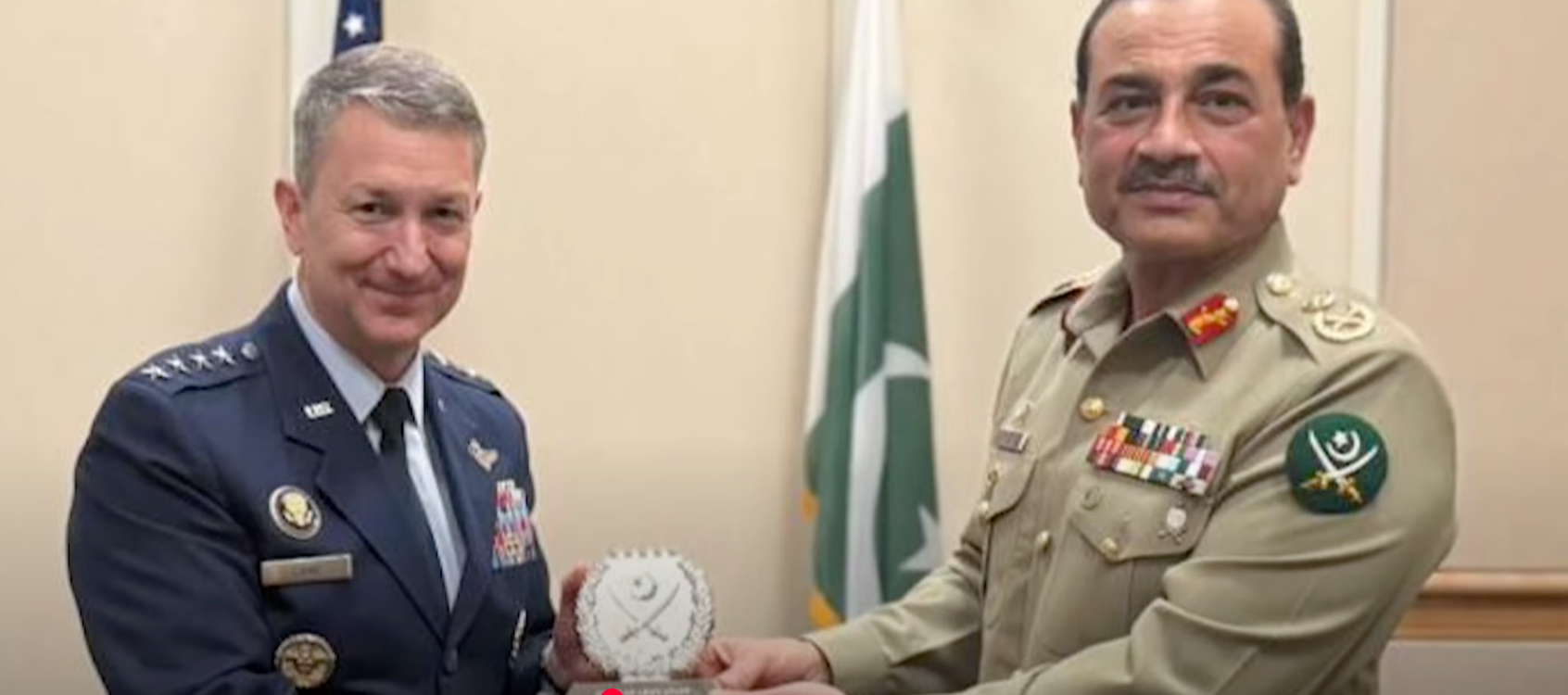
Islamabad Emerges as Potential Venue for US-Iran Talks
Key Takeaways
- Islamabad touted as venue for US-Iran talks.
- Pakistan urges de-escalation and dialogue amid Middle East conflict.
- Pakistan balances regional pressures while pursuing mediation.
Diplomatic Offer
Pakistan has emerged as a potential venue for US-Iran talks, with Islamabad actively positioning itself as a mediator in the escalating conflict.
“ISLAMABAD: Prime Minister Shehbaz Sharif stressed the importance of dialogue and diplomacy between Iran and its Gulf states, his office said on Monday, as Tehran continues attacks against neighboring states as the Middle East war intensifies”
The Pakistani Foreign Office has officially stated that the country is "already ready to host talks" involving Iran and the United States, offering itself as a neutral ground for diplomatic negotiations.

This offer came shortly after Tehran rebuffed claims that the US and Iran had opened a diplomatic channel, highlighting Pakistan's attempt to fill a diplomatic vacuum in the region.
Islamabad's diplomatic push reflects a calculated strategy to assert its international relevance while potentially securing strategic or economic concessions from major powers involved in the conflict.
Domestic Considerations
The viability of Pakistan as a mediator is significantly influenced by its complex domestic considerations, particularly its substantial Shia population and historical ties with Iran.
Pakistan is home to the world's second-largest Shia community after Iran, creating deep religious and cultural connections that complicate Islamabad's diplomatic positioning.

These domestic sensitivities were recently highlighted when violent pro-Iran regime protests erupted in several Pakistani cities following the assassination of Iran's Supreme Leader Ali Khamenei, resulting in at least 20 deaths and forcing military intervention with curfews imposed.
General Asim Munir, Pakistan's army chief, has explicitly stated that Pakistan "will not tolerate violence sparked by conflicts in other countries," demonstrating the government's awareness of how external conflicts can trigger internal instability.
Regional Balancing
Pakistan's balancing act between competing regional powers creates both opportunities and challenges for its mediation efforts.
“Pakistan is walking a tightrope as the Iran war intensifies, with that balance growing more precarious with each passing day”
The country recently signed a significant defense agreement with Saudi Arabia that commits Pakistan to treat aggression against one as a threat to both, potentially forcing Islamabad into alignment with Riyadh while risking confrontation with Iran.
This agreement was quickly tested when General Munir made an "emergency" visit to Saudi Arabia shortly after the conflict outbreak, where top officials discussed joint responses to Iranian strikes.
However, Pakistan's relationship with Iran remains equally critical due to their 565-mile shared border, substantial trade ties, and religious connections that make maintaining good relations with Tehran essential for domestic stability and economic interests.
Diplomatic Advantages
Despite the challenges, Pakistan possesses unique diplomatic advantages that could make it an effective mediator in the US-Iran conflict.
Government and security sources indicate that Munir has conveyed Pakistan's willingness to facilitate dialogue while assuring both sides that Islamabad can provide "confidential channels that few others can offer in the current climate."
Pakistan's geographic position as part of both South Asia, Central Asia, and the wider Gulf/MENA region gives it unique access and understanding of regional dynamics.
The country's recent diplomatic efforts build on earlier signals from Prime Minister Sharif and military leadership expressing readiness to support diplomatic efforts aimed at reducing tensions, suggesting a coordinated national approach to leveraging its position for both regional stability and diplomatic advantage.
Diplomatic Status
The current diplomatic status remains complicated by contradictory statements between US and Iranian officials regarding potential talks.
“ISLAMABAD: Prime Minister Shehbaz Sharif stressed the importance of dialogue and diplomacy between Iran and its Gulf states, his office said on Monday, as Tehran continues attacks against neighboring states as the Middle East war intensifies”
While Pakistan has positioned itself as ready to host negotiations, Tehran and Washington have issued conflicting statements about whether direct dialogue is occurring.
Iran's Foreign Ministry has explicitly stated there was "no dialogue" between Tehran and Washington, while US President Donald Trump claimed that talks between the two nations led to a "15-point agreement."
This contradiction suggests that while Pakistan may be willing to host talks, the fundamental willingness of the main parties to engage in meaningful negotiation remains uncertain.
The contradictory statements highlight the fragile state of diplomacy in the region and the challenges Pakistan would face in successfully brokering any meaningful agreement between the two adversaries.
More on Iran

President Trump Says Iran Deal Within Reach Amid Talks With Senior Iranian Official
10 sources compared

Trump Approves Iran Operation After Netanyahu Presses for Joint Strike on Khamenei
12 sources compared

President Donald Trump orders ICE officers deployed to airports amid DHS shutdown.
227 sources compared
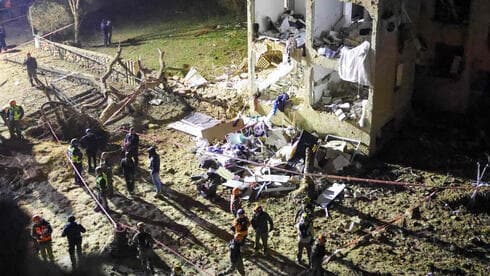
Iranian Missiles Strike Israel; Officials Report 180 Injured Amid Conflicting Casualty Figures.
12 sources compared