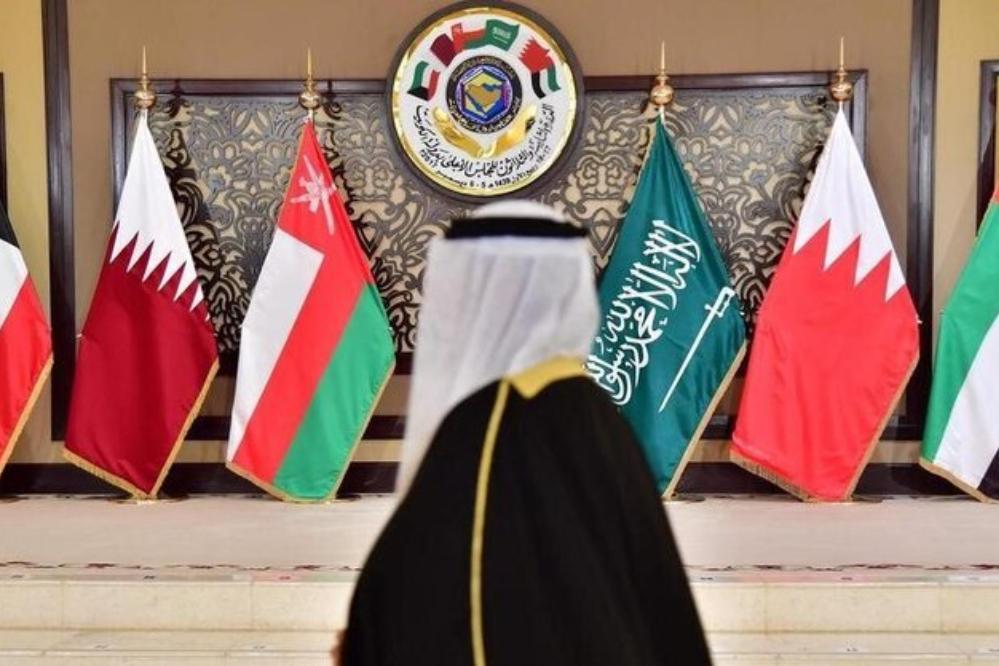
Islamabad Memorandum Spurs Gulf States, Iran, Iraq Talks on Persian Gulf Security Framework
Key Takeaways
- Gulf states diversify security partnerships amid US-Israel war on Iran.
- GCC nations pursue a new security framework to prevent spillovers and diversify security guarantees.
- UAE and Iran engage in high-level talks, signaling deeper Gulf-Iran ties and realignment.
New Gulf security talks
Regional leaders and policymakers are again focusing on a “new framework” for Persian Gulf security after the signing of the Islamabad memorandum of understanding to end the war between Iran and the United States, with IRNA saying the idea of collective consultation among southern and northern Gulf states has returned to the forefront.
IRNA reports that speculation about a meeting between the six Arab Gulf states in the Gulf Cooperation Council with Iran and Iraq intensified after Qatar Prime Minister and Foreign Minister Mohammed bin Abdulrahman Al Thani said in an Al Jazeera interview: "It is expected that in the next phase of Iran-US negotiations, a meeting with the Gulf Arab states will be held."

At a joint press conference, Iraq’s foreign minister Fuad Hussein proposed a meeting hosted by Iraq, and IRNA says Iran’s foreign minister Seyed Abbas Araghchi welcomed the proposal while saying: "Regional security in the Persian Gulf must be reconsidered by all regional countries."
IRNA frames the push for sustainable security architectures around the closure of the Strait of Hormuz due to insecurity created by U.S. and Israeli military actions, and it links the renewed debate to Iran’s defensive operations in countering threats in some Gulf states south of the Gulf.
The same IRNA account says the “6 plus 2” dialogue concept is intended to include GCC members with Iran and Iraq, and it describes the peace agreement ending the war between Iran and the United States as a “timely opportunity” to rethink Gulf security architecture with collective and inclusive participation.
US umbrella questioned
As the United States-Israel confrontation with Iran reshapes regional calculations, The New York Times is cited as reporting that the war exposed the fragility of the traditional American security umbrella in the Gulf and pushed regional states to rethink their strategic bets and defense alliances.
The report quoted Sanam Vakil, Director of the Middle East and North Africa Programme at Chatham House, as saying that the American security guarantee no longer enjoys the reliability it once did, pointing to "the failure of American defense systems to intercept some Iranian drones" and "Washington's inability to prevent the closure of the Strait of Hormuz."

In parallel, Al Jazeera reports that Gulf countries are likely to accelerate efforts to diversify security partnerships after the war, with Anna Jacobs Khalaf telling Al Jazeera that the focus is "the regional balance of power and pushing back on both Iran and Israel."
Al Jazeera also says the war’s impact included Iranian attacks on military bases hosting US troops and on civilian sites such as airports, energy facilities and hotels in some Gulf countries, and it describes how even after a memorandum of understanding to end the war earlier this month, missiles and drones were launched at targets in Bahrain and Kuwait.
Al Jazeera quotes Jacobs Khalaf arguing that diversification does not mean replacing the US with Pakistan, but instead includes platforms like the “quad group of Saudi Arabia, Turkiye, Egypt and Pakistan,” alongside developing domestic defensive capabilities and more regional autonomy.
Diversification and dialogue
Al Jazeera says Gulf states are expanding relationships amid uncertainty as Tehran and Washington hold talks toward a lasting agreement, and it links the push to diversify to the “lasting impact of the conflict” on GCC members that came under Iranian attack during the war.
Anna Jacobs Khalaf tells Al Jazeera that the approach involves “platforms like the so-called quad group of Saudi Arabia, Turkiye, Egypt and Pakistan,” while also emphasizing that Gulf states are developing their own domestic defensive capabilities and seeking more regional autonomy.
Al Jazeera also highlights that despite anger over Iranian attacks, Gulf countries have kept lines of communication open with Tehran, and it quotes Annelle Sheline saying she suspects the Gulf will want to maintain its security relationship with the United States but “will no longer want to be in a position where it is relying on the United States.”
In IRNA’s account of the same post-war moment, Araghchi frames the desired security architecture as one that includes all regional countries “without the presence and interference of any external country,” and it presents Iraq’s readiness to host a GCC-Iran-Iraq meeting as part of the “6 plus 2” concept.
Together, the sources portray a regional agenda that combines alliance diversification with renewed dialogue, with Al Jazeera pointing to efforts to mend ties and deepen economic relations across the Gulf and IRNA describing a shift toward collective and inclusive participation in Gulf security arrangements.
More on Iran
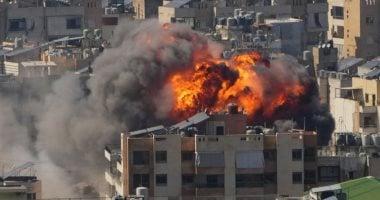
U.S. Strikes Iran After Trump Says Ceasefire Is Over, Iran Hits U.S. Allies
22 sources compared
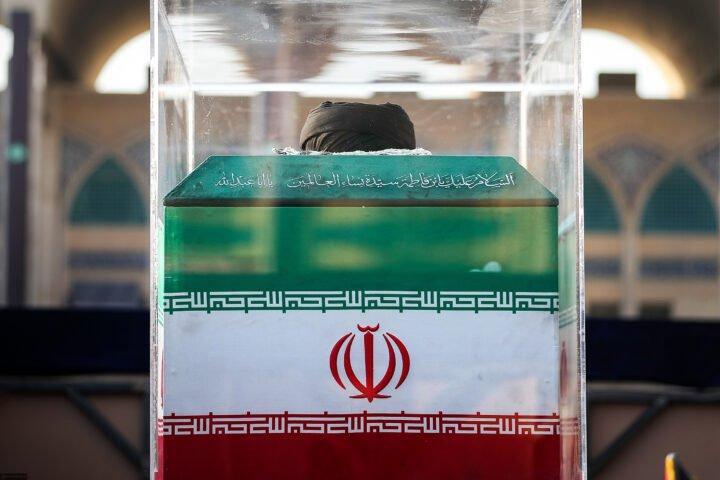
Israeli-American Attack Killed Ayatollah Ali Khamenei as His Body Was Buried in Mashhad
23 sources compared
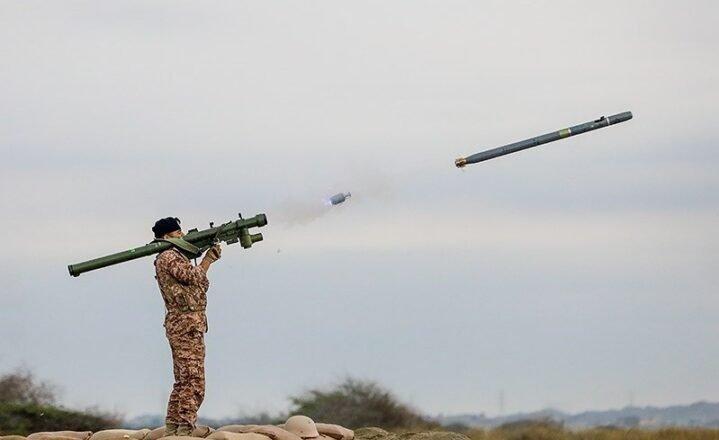
United States Strikes Hit Bushehr as Iran Says 14 Killed in Past Two Days
17 sources compared

Iran Launches More Strikes After US Attacks Hit Southern Iran, US Central Command Says
36 sources compared