Syria17 December, 20252 min read
Islamic State Ambushes U.S. Soldiers, Kills Michigan Interpreter in Syria
Two U.S. soldiers and a U.S. civilian interpreter were killed in an attack in Syria Shooter was a recent Syrian internal security recruit suspected of Islamic State infiltration

24 outlets told this the same way.
Outlets did split on France Suspends Police Stun Grenades at High School Protests After 15-Year-Old Loses Hand →
Palmyra desert attack
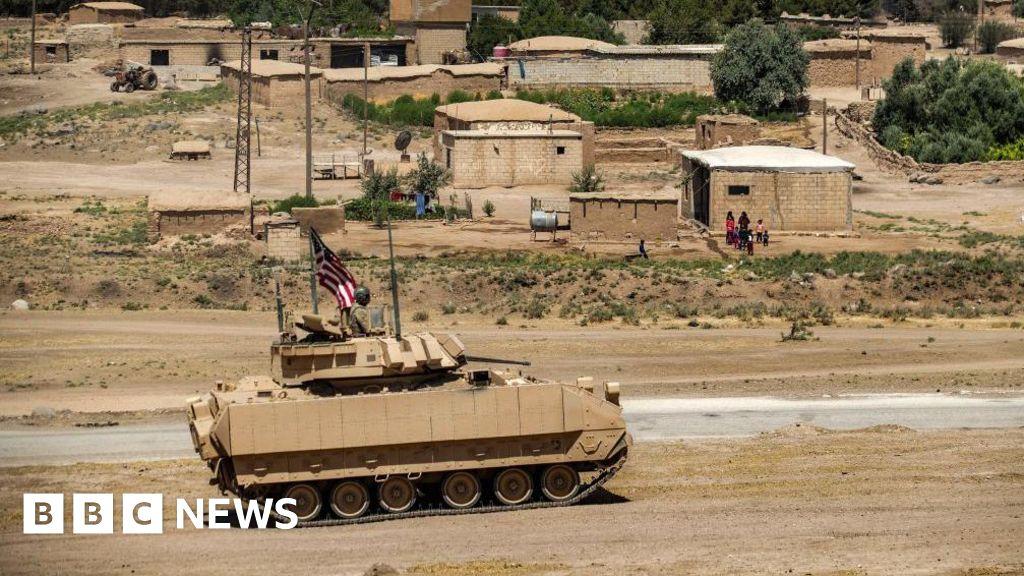
An attack near Palmyra in central Syria left three Americans dead — two U.S. service members and a U.S. civilian interpreter — and wounded several others, U.S. Central Command said.
“A gunman ambushed U.S. and Syrian forces near Palmyra on Saturday, killing two American soldiers and a civilian interpreter and wounding two members of a Syrian security force.”
The shooting occurred after a gunman opened fire and the attacker was killed at the scene.
Reports place the incident in the Badia desert region near Palmyra and describe it as an ambush or an attack on a joint U.S.-Syrian engagement, with multiple outlets naming the two U.S. soldiers as Sgt. Edgar Brian Torres Tovar and Sgt. William Nathaniel Howard.
U.S. officials quickly blamed Islamic State/ISIL, saying the attacker was likely affiliated with the group and was engaged and killed by partner forces or U.S. forces during the incident.
Security service background
Syrian official accounts and local reporting say the attacker had been serving in newly formed or reconstituted internal security forces. They emphasize he had been flagged for extremist views, which led some authorities to reassign or monitor him before the shooting.
Syrian Interior Ministry statements and regional outlets describe him as a base guard or member of the internal security service who had joined recently and was viewed as a security risk. Syrian authorities reported arrests and detentions of other personnel in follow-up sweeps.

U.S. response and review
U.S. leaders responded forcefully, with President Trump vowing 'very serious retaliation' and other officials promising to pursue those responsible.
“President Trump promised 'very serious retaliation' and said ISIS 'would be hit hard'.”
U.S. statements described the mission as a counter-ISIS/key-leader engagement supporting counterterrorism operations, said Syria was not responsible for the attack, and noted that investigations are ongoing with the Pentagon and Army reviewing the circumstances.
Syria desert security threats
The incident underscored longer-term security challenges in Syria’s desert. It highlighted the lingering threat from Islamic State remnants. Reporting also showed disagreements between outlets over force levels and the U.S. presence.
Different reports cited different troop counts and described Palmyra as vulnerable because IS retains desert cells. Analysts and outlets warned of 'green-on-blue' risks — attacks by insiders previously seen in the region — as new mixed-background Syrian security formations work alongside U.S. personnel.
Conflicting accounts of attack
Investigations are ongoing and accounts differ on several key points. Some sources report the attacker was a base guard reassigned earlier amid suspicion, while others say he had served for many months and was due to be dismissed.
“Syrian authorities identified the suspect as Tarek Satouf al‑Hamd, said they had previously flagged him as a risk and planned to fire him for extremist views, and detained 11 members of the local forces for questioning. No group has claimed responsibility.”
Syrian authorities reported arrests and detentions but the numbers vary and no confirmed claim of responsibility had emerged in early reporting. Media coverage mixes direct official statements, Syrian state media claims, and U.S. assessments, leaving several important details unresolved.