Full Analysis Summary
IS rebrand and aftermath
Analysts and former prisoners describe the group's actions as a strategic "rebrand" to recruit a new generation and reconstitute itself by exploiting discontent with President Ahmed al-Sharaa.
The article says President Ahmed al-Sharaa was once an al-Qaida commander but has largely moved Syria into the west's orbit, made Syria a member of the global coalition to defeat IS and pushed mostly liberal economic reforms.
Bashar Hassan, an IS analyst from Deir ez-Zor who was imprisoned by the group, said IS aims to "change the perception of the group in order to revive it" and to "cancel the mistakes they committed in 2014."
The article says brutality in 2014, such as mass killings and beheadings, drove people away.
The article notes the group's past rule in Raqqa included public executions with severed heads on stakes, and that residents still shudder at the clock tower square.
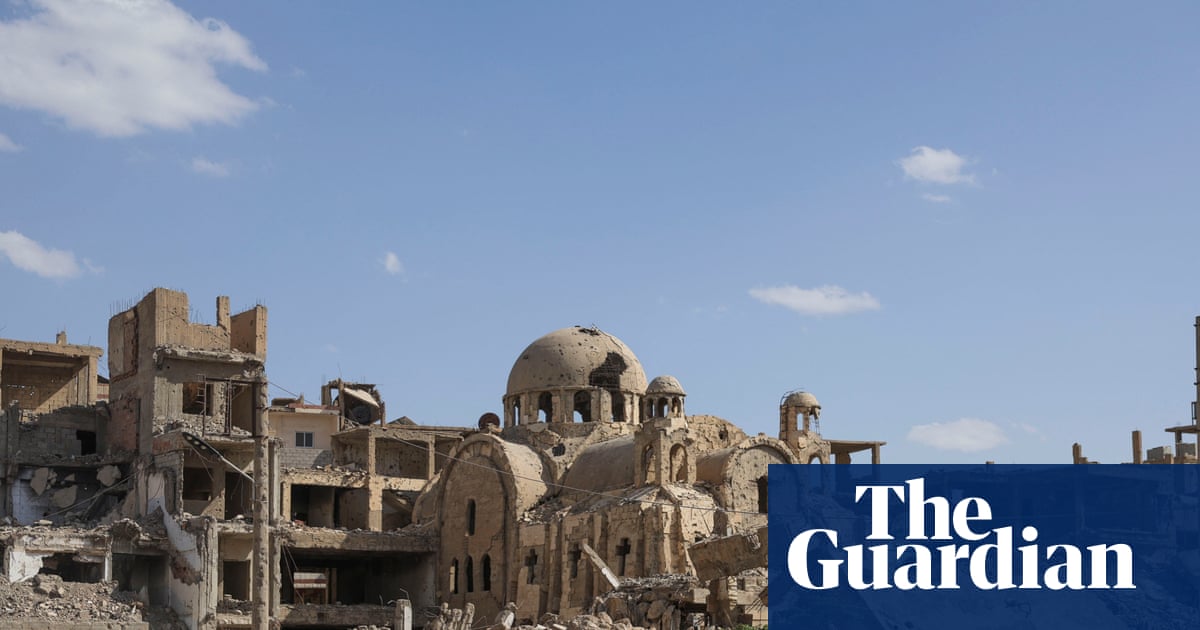
Experts warn that the same conditions that enabled IS's initial rise persist, including widespread poverty, rubble-filled streets, and damaged bridges that leave cars queuing for an hour.
Harwil said, "Education could get young people out of this ideology, but no one is implementing this. The group is not showing its dangerous side yet, and those at a formative age are being radicalised."
In Baghuz, however, memories of IS offer nothing but fear, and a local activist said, "Nothing can be worse than what has already happened."