Full Analysis Summary
UN response to Israeli measures
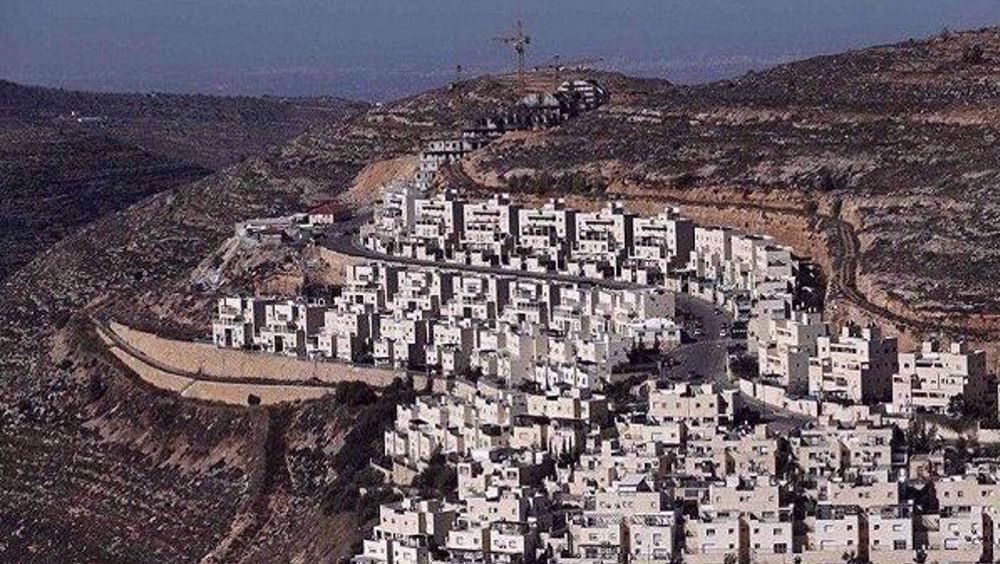
United Nations officials and international observers say Israel’s Feb. 8, 2026 security-cabinet measures amount to a de facto annexation of the occupied West Bank by expanding settlement activity and broadening Israeli administrative and enforcement control over Areas A and B.
UN Secretary-General António Guterres publicly condemned the decision, said all settlements in the occupied West Bank, including East Jerusalem, have no legal validity, called on Israel to reverse the measures, and warned they violate UN resolutions and international law.
Al Jazeera reported journalists pressing the UN spokesman on whether the UN can deter Israel as criticism mounts that the steps tighten Israeli control.
Oz Arab Media recorded the UN spokesman reiterating that unilateral actions altering occupied territories violate international law and that the UN is closely monitoring member-state concerns.
Coverage Differences
Tone and emphasis
PressTV (West Asian) emphasizes the UN Secretary‑General’s strong condemnation and explicitly quotes Guterres calling settlements legally invalid and urging reversal; Al Jazeera (West Asian) highlights media pressure on the UN spokesman and frames the steps as critics saying they are a 'de facto annexation'; Oz Arab Media (Western Alternative) reports the UN spokesman’s reiteration of long‑standing UN positions and underscores monitoring and complexity in stronger responses. The three sources differ in emphasis: PressTV foregrounds Guterres’ legal framing and broad international condemnation, Al Jazeera foregrounds the question of UN deterrence raised by journalists, and Oz Arab Media stresses UN process and monitoring at the briefing.
Settlement policy changes and reactions
Reported measures include easing restrictions on Jewish settlers buying land, lifting confidentiality on land‑registry records, and expanding Israeli enforcement powers in Areas A and B that nominally fall under Palestinian Authority jurisdiction.
PressTV warned these steps 'further erode the viability of a negotiated two‑state solution' and cited human‑rights groups saying opening public land registries could facilitate settler purchases or pressure Palestinian landowners.
Oz Arab Media reported that Israel defends settlement growth on security and historical grounds while Palestinians call it a rights violation and an obstacle to negotiations.
Al Jazeera documented journalists asking the UN what it will do to deter Israel as these measures tighten control.
Coverage Differences
Narrative focus
PressTV (West Asian) emphasizes legal and human‑rights implications and quotes Guterres warning about two‑state viability and international‑law violations; Oz Arab Media (Western Alternative) balances reporting by noting Israel’s stated security and historical justifications and Palestinian accusations of rights violations; Al Jazeera (West Asian) foregrounds the accountability question — asking what the UN will do to deter Israel. Each source reports the same measures but frames them with different priorities: legal condemnation, bilateral claims of justification, and demands for UN action.
International reaction and scrutiny
Regional and international actors condemned the measures as illegal and tantamount to annexation.
PressTV lists the European Union, the Organization of Islamic Cooperation and a group of Muslim-majority states — Saudi Arabia, Jordan, Egypt, Indonesia, the UAE, Turkey, Qatar, Pakistan and others — as having denounced the decision.
PressTV also notes Palestinian factions called the steps "criminal" and accused the US and normalization partners of enabling them.
Oz Arab Media notes the UN has heard concerns from member states and that the spokesman stressed international law.
Al Jazeera's coverage highlights sustained press scrutiny and asks whether the UN can deter Israel as criticism mounts.
Coverage Differences
Scope of international response
PressTV (West Asian) catalogs a wide list of states and international bodies condemning the measures and records Palestinian political slogans like 'criminal'; Oz Arab Media (Western Alternative) emphasizes the UN’s hearing of member‑state concerns and the legal framing at the briefing; Al Jazeera (West Asian) concentrates on the unfolding accountability narrative via journalists pressing the UN. The difference lies in PressTV’s broad naming of condemnations, Oz Arab Media’s focus on UN process and legal framing, and Al Jazeera’s focus on question‑and‑answer scrutiny.
Settlement growth and displacement
Human-rights groups and observers warn that the measures will accelerate settlement growth and displace Palestinian communities by facilitating settler purchases and increasing administrative controls that limit Palestinian authority and movement.
PressTV warns that opening land registries and easing buyer rules could 'facilitate settler purchases or pressure on Palestinian landowners' and links the move to a pattern of approvals for thousands of housing units and new settlements.
Oz Arab Media reports that the briefing noted rising violence and clashes between settlers and Palestinian residents, and it highlighted warnings about displacement and movement restrictions.
Al Jazeera reports journalists are calling for concrete UN deterrence amid these mounting rights concerns.
Coverage Differences
Severity and attribution
PressTV (West Asian) uses legal and human‑rights wording and ties the measures to a broader pattern of settlement approvals; Oz Arab Media (Western Alternative) reports directly on rising violence 'between settlers and Palestinian residents' and human‑rights warnings about displacement; Al Jazeera (West Asian) focuses on the accountability question toward the UN. Differences: PressTV stresses legal erosion and settlement approvals, Oz Arab Media reports on immediate local violence and displacement warnings, Al Jazeera pursues UN responsibility.
UN monitoring and pressure
The UN spokesman and other UN channels say they are monitoring developments but acknowledge limits in enforcing reversals; the UN urged renewed negotiations while stressing the difficulty of imposing stronger measures.
Oz Arab Media records the spokesman saying the UN 'is closely monitoring developments and has heard concerns from member states' and stressed the complexity of stronger measures.
PressTV records Guterres' call to reverse the measures and warns they violate international law.
Al Jazeera's coverage underlines the immediate question put to the UN — what can it do to deter Israel — showing international pressure but also the gap between denunciation and coercive action.
Coverage Differences
Reported UN capacity
Oz Arab Media (Western Alternative) highlights the UN spokesman’s emphasis on monitoring and the complexity of taking stronger action; PressTV (West Asian) foregrounds the Secretary‑General’s explicit call for reversal and legal condemnation; Al Jazeera (West Asian) highlights the media’s demand for deterrence from the UN, underlining a narrative of frustrated expectations. Together they show a contrast between legal denunciation (PressTV), process and limitations (Oz Arab Media), and calls for concrete UN deterrence (Al Jazeera).