Other14 July, 20263 min read
Israel And Lebanon Begin US-Mediated Rome Talks To Disarm Hezbollah And Withdraw From Southern Lebanon
This article is an automated aggregation of coverage from news outlets. Our editorials offer in-depth analysis curated by the NewsCord team.
Lebanon and Israel resumed Rome talks on a US-brokered plan for southern Lebanon withdrawal. At the US Embassy in Rome, talks address pilot zones and framework implementation.

New York Post was read line by line by the Watchdog: 4.6. See the score →
Rome talks begin
Israel and Lebanon began US-mediated peace talks in Rome on Tuesday, with the discussions taking place at the US Embassy in the Italian capital through Wednesday. The talks aim to advance the implementation of a framework agreement to end months of fighting in the border area with the Iran-backed Hezbollah terror group, following a deal reached in Washington on June 26 during the fifth round of negotiations between representatives of Beirut and Jerusalem. The 14-point Israel-Lebanon Trilateral Framework Agreement calls for the disarmament of Hezbollah and provides for a phased Israeli withdrawal from southern Lebanon alongside the deployment of Lebanese forces, with Israeli forces positioned within a security zone extending about ten kilometers (six miles) into Lebanon along the entire Israeli border.
Reuters reported that the June 26 agreement identified two “pilot zones” north and south of the Litani River where Israeli troops would be replaced by the Lebanese Armed Forces (LAF), while Hezbollah and other non-state armed groups would be disarmed. In a CBS News interview broadcast on Sunday, Israeli Ambassador to the United States Yechiel Leiter, who is leading the talks for Jerusalem, said the Rome meetings will focus on creating conditions for the LAF to assume control in designated areas so that Israel can begin a phased withdrawal.

Terms and conditions
Israeli Foreign Minister Gideon Sa'ar said Tuesday that Israel is prepared to move forward with withdrawing from two pilot areas in southern Lebanon, as a new round of U.S.-mediated talks between Israel and Lebanon got underway in Rome. In the CBS interview, Leiter told “Face the Nation” moderator Margaret Brennan that Jerusalem and Beirut “are on the same page” in seeking to push Hezbollah out for Israel’s security and Lebanon’s sovereignty. A Lebanese diplomatic source familiar with the content of the talks told Anadolu that the first day of talks was “positive and constructive, but the matter requires further discussion,” and that Israeli negotiators requested clarifications regarding the mechanism of Lebanese army deployment and verification of complete control after the Israeli withdrawal.
An Anadolu report also said the talks focus on securing a ceasefire in Lebanon and implementing the framework agreement signed on June 26, with the Rome talks hosted at the US Embassy and scheduled to continue on Wednesday. TRT World reported that Hezbollah rejects the agreement outright despite Lebanese government pressure, lowering expectations of success in the negotiations.
What’s at stake
The framework agreement is conditioned on Hezbollah’s removal from southern Lebanon, and Jerusalem has emphasized that an Israeli withdrawal will occur only once the threat from the Iranian terror proxy is removed.
Leiter said Israel “can withdraw the moment that Hezbollah is dismantled,” but that the military will have to remain in the security zone if the terrorist group retains its arms, “because we’re not going to go back to a situation where our citizens are going to be threatened by an Iranian proxy firing missiles and building tunnels so they can attack, like Hamas did on Oct. 7,”.
Lebanese President Joseph Aoun vowed to do “the impossible” to stop cross-border hostilities between Israel and Hezbollah and moved to outlaw the Iranian proxy, and the Rome talks are framed as the next step after five rounds of direct talks at the US State Department.
Middle East Monitor reported that the Italian capital is hosting a sixth round of direct negotiations on Tuesday and Wednesday following five previous rounds in Washington that resulted in the signing of a framework agreement.
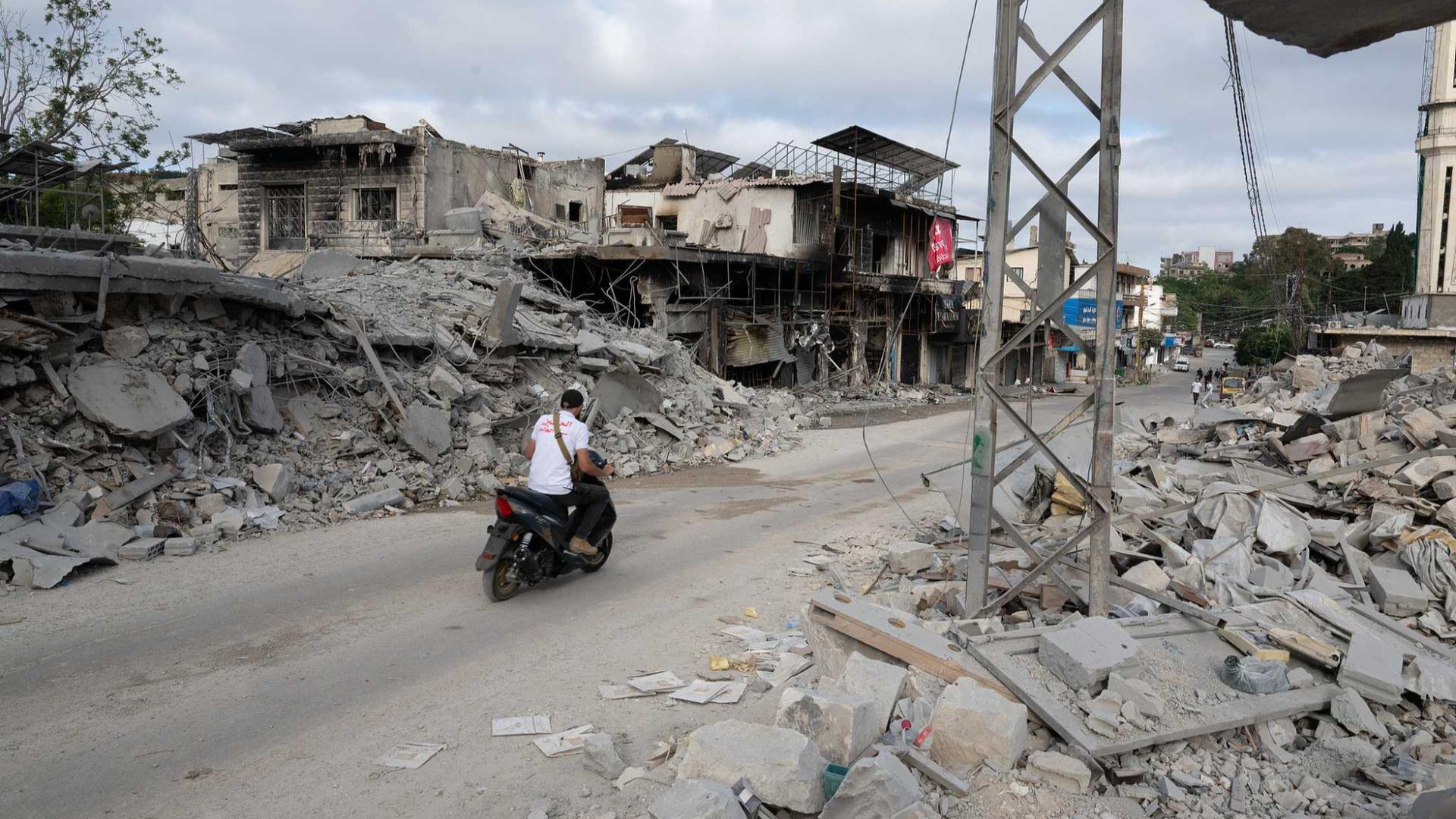
Middle East Monitor also said Israel continues its attacks in Lebanon, which have killed at least 4,324 people, injured 12,221 others, and displaced more than 1 million since March 2, according to official Lebanese figures.