Syria07 January, 20262 min read
Israel and Syria Establish U.S.-Mediated Joint Intelligence Fusion Cell in Paris to Coordinate Military De-Escalation
Israel and Syria agreed in Paris to establish a US-mediated joint intelligence 'fusion' communication cell Mechanism will coordinate intelligence sharing and military de‑escalation under U.S. supervision

13 outlets told this the same way.
Outlets did split on France Suspends Police Stun Grenades at High School Protests After 15-Year-Old Loses Hand →
Syria-Israel coordination channel
Syria and Israel agreed in U.S.-mediated talks in Paris to establish a U.S.-supervised joint fusion mechanism.
“Syria and Israel agreed in US-mediated talks in Paris to set up a joint ‘dedicated communication cell’ to share intelligence and coordinate military de‑escalation, according to a joint statement.”
Sources describe it as a dedicated communication cell for intelligence sharing, military de-escalation, diplomatic contacts and possible commercial cooperation.

The aim is to prevent misunderstandings, coordinate de-escalation and potentially help revive the 1974 disengagement arrangements.
Multiple outlets report the arrangement was formalized in a joint U.S. State Department statement and framed as a platform for immediate and ongoing coordination between Damascus and Jerusalem.
The mechanism is presented as a rapid-response channel to address disputes and advance stability along the Israel-Syria border.
Syrian-Israeli negotiation stances
The parties' stated priorities and red lines diverge.
Syrian officials demand a restoration of pre-Dec. 8, 2024 lines, reactivation of the 1974 UN-monitored disengagement arrangement, and an Israeli withdrawal to those positions.

Israeli statements, as reported, stress security, protecting citizens and minorities (notably the Druze), and frame the talks within a broader U.S. Middle East policy.
Several sources note the joint statement did not echo Damascus's full withdrawal demand.
Syria insisted that technical coordination alone is insufficient without a binding withdrawal timetable.
Reactions to proposed mechanism
Many outlets recorded divergent reactions and skepticism. Damascus officials reportedly expressed doubt that technical coordination alone would secure Syrian sovereignty. Analysts warned the mechanism could institutionalize power imbalances by managing conflict while Israeli forces remain entrenched.
“The deal was met with skepticism in Damascus, where officials said technical coordination is insufficient without a binding Israeli withdrawal from occupied Syrian territory and insisted the engagement is not normalization.”
Social and regional commentators questioned whether the mechanism represents genuine de-occupation or a normalization that favors Israeli security interests. Critics on social media called the move a potential 'surrender wrapped in understandings.'
Economic and operational proposals
The Paris sessions included proposals for economic and operational tie-ins. Some reports describe U.S. proposals for a joint economic zone along the Israel–Syria border, citing wind farms, agriculture, and tourism and mentioning unnamed regional partners or Gulf funding.
Other reporting referenced a broader U.S. plan for a joint operations room in Jordan to oversee demilitarization talks. Proponents frame commercial projects as confidence-building measures, while critics warn economic zones could entrench fragmentation or reward asymmetric control.
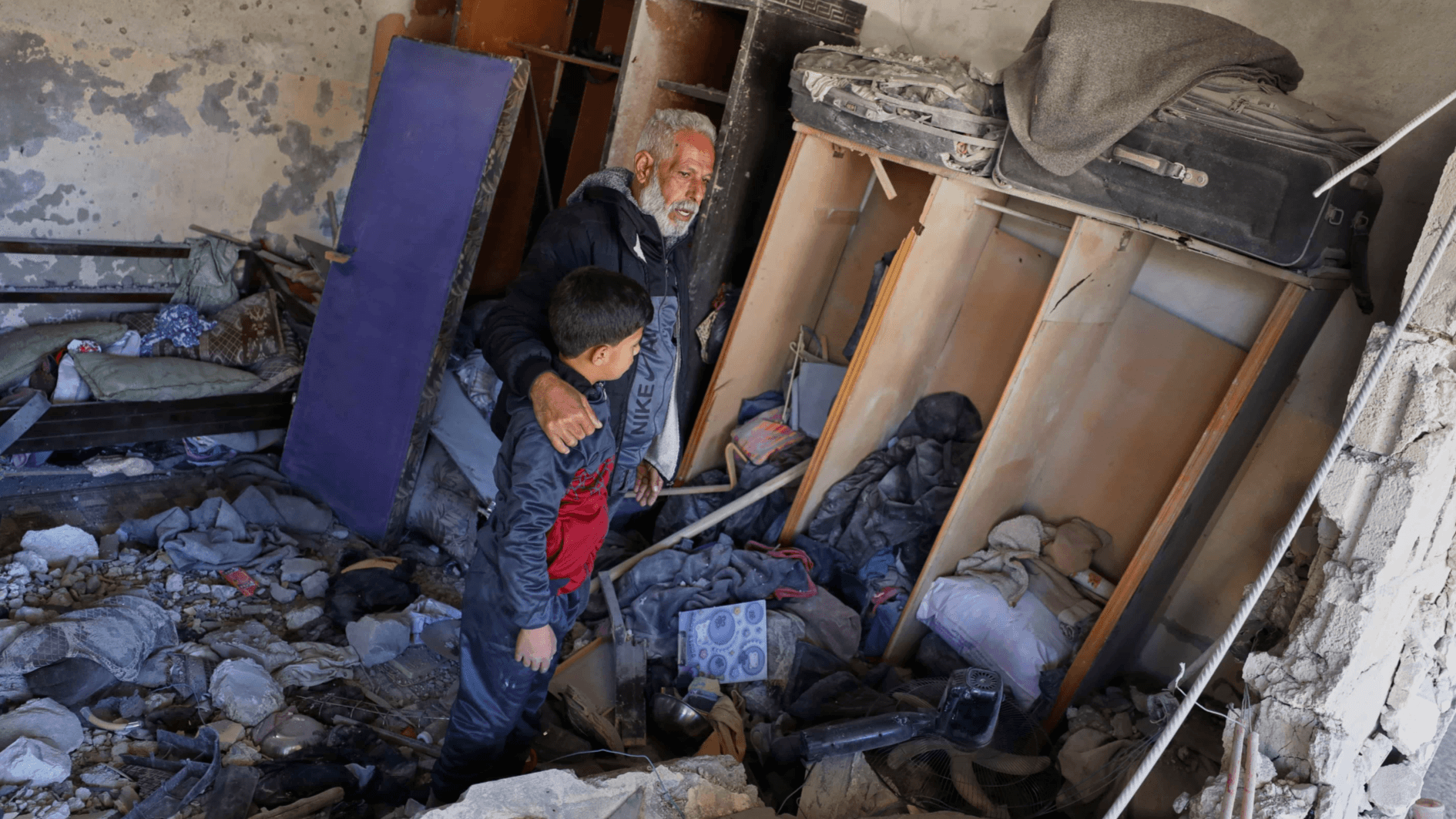
Syria-Israel talks update
Implementation details remain unclear and contested.
“Syria told Reuters the talks also produced an initiative to suspend all Israeli military activity, though Israel had not confirmed that.”
Several sources report Syria told Reuters that the talks produced an initiative to suspend Israeli military activity, but Israel had not confirmed such a suspension.
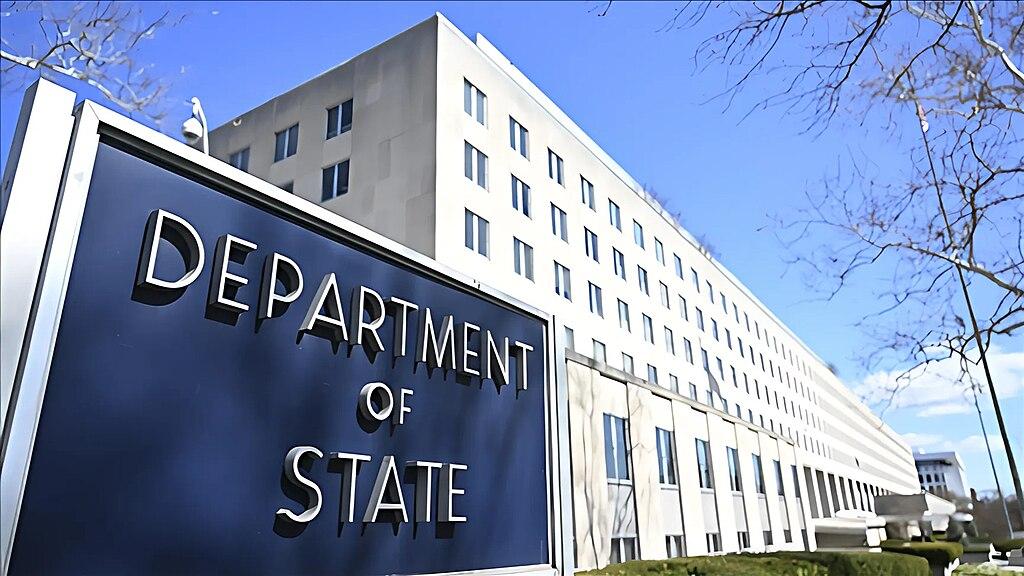
Parties agreed to continue dialogue while core disputes over sovereignty, withdrawal timetables and enforcement remain unresolved.
Some outlets and the U.S. State Department credited former President Trump's Middle East leadership for facilitating the talks.
Others frame the outcome as an initial, fragile step requiring further negotiation and trust-building.