
Israel and United States Bombard Iran as Nowruz Celebrations Begin in Wartime
Key Takeaways
- Iranians celebrate Nowruz during wartime for the first time since the 1980s invasion.
- Israeli airstrikes accompany Nowruz, indicating intensified bombardment amid celebrations.
- Civilians continue Nowruz traditions and market activity despite threats.
Bombardment During Nowruz
Israel and United States bombardment of Iran has created a stark contrast to traditional Nowruz celebrations.
“Tehran, Iran – Iran is celebrating Nowruz, the Persian New Year, during wartime for the first time since the 1980s, when neighbouring Iraq launched a full-scale invasion, leading to eight years of war”
Iranians mark the Persian New Year under continuous military attacks that began on February 28.
The bombardment has transformed what should be a joyous celebration into a wartime experience reminiscent of the 1980s Iran-Iraq war.
Despite ongoing strikes, Iranians have been actively preparing for Nowruz, queuing at markets to buy flowers and exchange greetings.
Heavy bombardment from US and Israeli warplanes has continued both overnight and throughout the day.
Many Iranians are determined to maintain cultural traditions while seeking safety.
This is the first wartime Nowruz celebration since Iraq's invasion in the 1980s, which led to eight years of conflict.
Human Cost and Displacement
The human cost of the bombardment is becoming increasingly apparent as Iranians navigate Nowruz amid significant casualties.
According to Human Rights Activists in Iran, at least 3,114 people have been killed, including 1,354 civilians with at least 207 children among the dead.
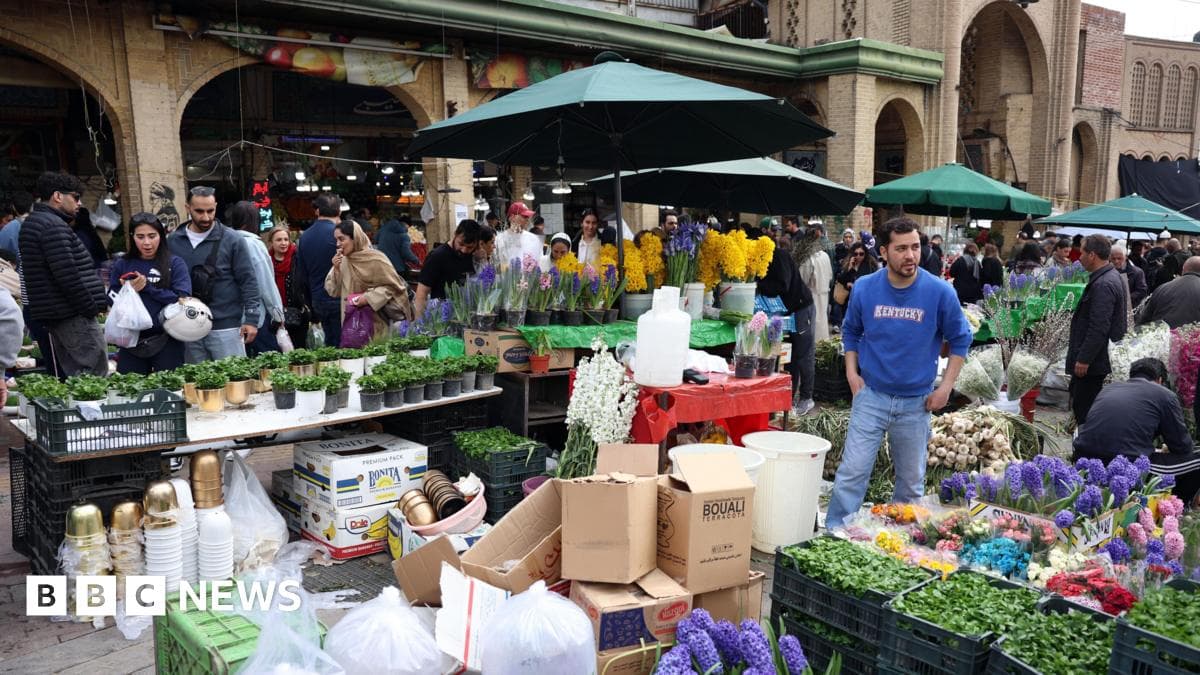
Many families have been forced to flee to safer areas, with some moving from Tehran to cities like Damavand.
Personal accounts reveal the deep psychological impact of celebrating New Year under such circumstances.
Mina expressed how the war has disrupted daily life: "It's like I've lost track of time."
Her son Amir worried about the country's infrastructure: "People are losing their jobs with the war. My biggest worry is our country's infrastructure."
Amir expressed fear about the future: "At this rate, there might not even be much left of Iran. I don't want this to be our last Nowruz."
Cultural Significance Amid War
The cultural significance of Nowruz faces unprecedented challenges as Iranians attempt to maintain ancient traditions amid modern warfare.
“Discover the latestBusiness News,Sensex, andNiftyupdates”
Nowruz translates to "new day" and dates back more than 3,000 years, making it one of the world's oldest festivals.
It represents Iranian history, national character, and tradition across multiple cultures including Persians, Kurds, Armenians, Azerbaijanis, Tajiks, Kazakhs, and Uzbeks.
The last wartime Nowruz celebration was during the eight-year conflict with Iraq in the 1980s.
Traditional preparations like deep-cleaning homes to sweep away old misfortunes have been complicated by the constant threat of air strikes.
Parmis, a Tehran resident in her 20s, expressed daily concerns: "If you go anywhere, you're always worried whether you will be caught up in an air strike or not."
Maryam noted that despite challenges, some people are defiantly maintaining traditions: "There were people out buying things for Haft Sin. I saw flowers and some street vendors. But no, it's not like it was in previous years," she said. "At the same time, this is a tradition that happens once a year, and we must celebrate it."
Diaspora Responses
The Iranian diaspora, particularly in the United States, has been deeply affected by the escalating conflict.
With nearly 750,000 Iranian Americans, many communities have canceled planned Nowruz parties and events.
In New York, elderly Iranian American women called off their celebration at a suburban shopping mall outside Manhattan.
Marjan Khalili, president of the Long Island Ladies Association, expressed the mood: "People are not in the mood to celebrate the New Year."
She explained the significance: "That's what Nowruz is — we welcome the New Year, and now we really don't have much to welcome, you know?"
Business organizations have also adapted, with Shani Moslehi stating: "Everyone I hear from is not doing well."
Moslehi noted the brief sense of relief followed by reality: "The dancing and singing lasted a day, and people realized just killing that one guy is not going to solve the problem."
Adapted Celebrations
Despite challenges, many Iranians and Iranian Americans are finding ways to preserve Nowruz traditions while acknowledging the current situation.
“Tehran, Iran – Iran is celebrating Nowruz, the Persian New Year, during wartime for the first time since the 1980s, when neighbouring Iraq launched a full-scale invasion, leading to eight years of war”
Some community organizations have adapted celebrations to meet the moment, tempering traditional festivities with expressions of solidarity.
At New York University, the Persian Cultural Society held a vigil with speeches and poems instead of their annual celebration.
Attendees were asked to dress in black rather than festive colors normally favored during the holiday.
In Los Angeles, organizers called off an outdoor festival and held a concert titled "Light Always Prevails."
The concert featured an Iranian female vocalist barred from singing after the 1979 revolution and an Iranian-American performing in Persian for the first time.
Hedi Yousefi organized a bazaar in Manhattan with a memorial wall listing 3,000 people killed in January.
Yousefi emphasized defiance: "They want us to be quiet. It's now more vital than ever to celebrate Nowruz in defiance of the Islamic regime."
Resilience and Heritage
The ongoing bombardment and resulting humanitarian crisis have created a complex backdrop for Nowruz celebrations.
Markets and shopping centers across Iran are usually bustling with shoppers before Nowruz, but this year "the buzz and excitement is not the same."
Despite challenges, many Iranians continue to participate in traditional activities with defiant determination.
Parmis, a young woman in Tehran, still went out to get her nails done on March 17 and observed resilience: "I feel like some are still carrying on despite everything, like me."
She noted the adaptability of citizens: "I was in the salon when a loud explosion went off, and no-one even flinched."
This resilience demonstrates the deep connection Iranians have with their heritage despite unprecedented challenges.
The situation represents a convergence of ancient cultural practices with modern geopolitical conflicts.
This creates a unique historical moment that underscores both the fragility and endurance of cultural identity in times of crisis.
More on Iran
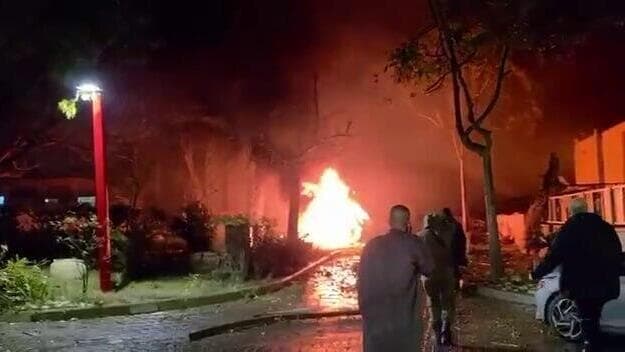
Iran Attacks Dimona and Arad with Ballistic Missiles, Broadens War With Israel
49 sources compared
Israel and U.S. Strike Natanz Nuclear Facility Again; Iran Blames Attack
69 sources compared

Iran Fires Long-range Missiles, Strikes Near Israeli Nuclear Site
104 sources compared
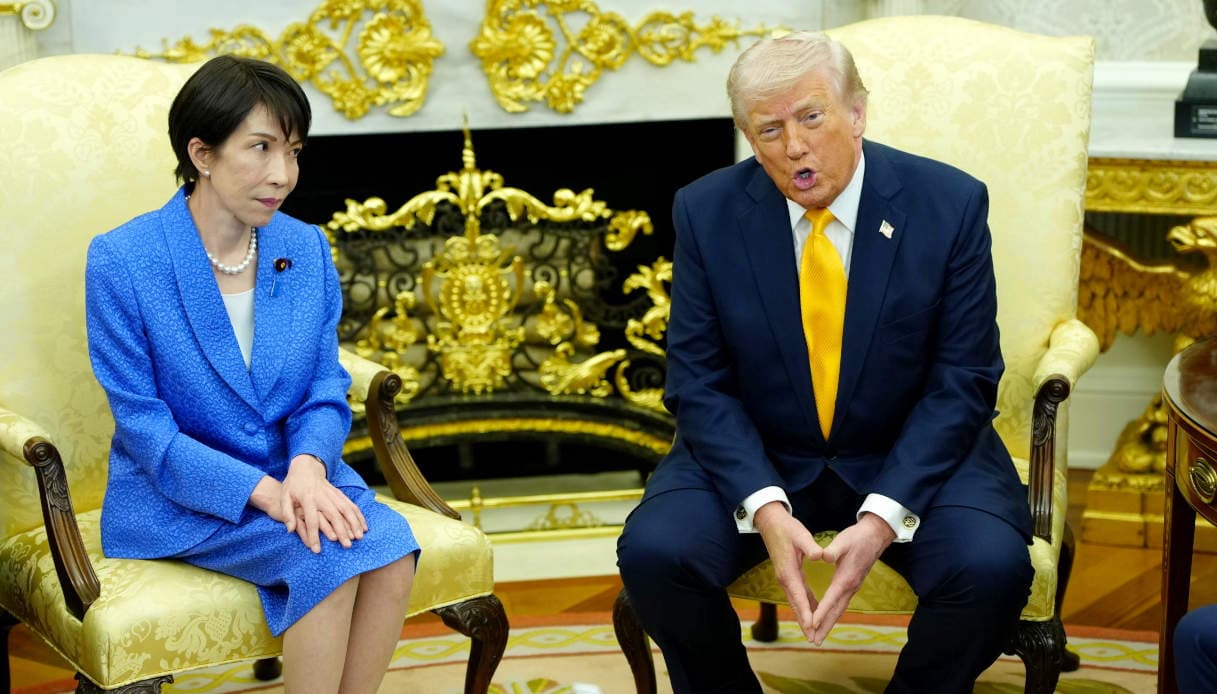
Trump Defends Iran War by Citing Pearl Harbor
12 sources compared