
Israel and United States Strike Iran, Killing Supreme Leader Ali Khamenei
Key Takeaways
- US-Israeli strikes on Iran began in February, signaling escalated regional confrontation.
- Iran acts as a gatekeeper, determining access to the Strait of Hormuz.
- Some states are negotiating safe passage directly with Iran, bypassing a Western coalition.
Leadership Assassination
The United States and Israel conducted a major military strike against Iran on February 28, 2026, according to Al Jazeera reporting.
“As United States President Donald Trump tries to build a coalition of navies willing to open the Strait of Hormuz, some countries are negotiating safe passage directly with Iran, underscoring a new de facto reality, analysts say: Regardless of military results, Tehran is calling the shots on who gets to use the world’s most important energy waterway”
This attack resulted in the death of Supreme Leader Ali Khamenei, Iran's highest-ranking leader.
The strike marked a significant escalation in regional tensions and represented a direct attack on Iran's top leadership.
Analysts described this as a decisive moment that would reshape Iran's response capabilities and regional power dynamics.
The precision strike demonstrated the capabilities of the US-Israeli alliance and aimed to fundamentally alter the strategic calculus in the region.
Iranian Response Strategy
In response to the killing of their Supreme Leader, Iran focused on leveraging its geographic advantage.
Iran controls the northern shore of the Strait of Hormuz, according to Al Jazeera analysis.
The strait carries 20 percent of global crude oil and natural gas supplies.
The strait is only 33km (20 miles) wide at its narrowest point, making crossing vessels vulnerable.
Any naval force attempting to cross would be easy prey for Iranian attacks from the mainland.
This geographic reality became Iran's most potent form of leverage in the aftermath of the leadership assassination.
Maritime Disruption Impact
The US-Israeli strike triggered significant disruptions to maritime traffic in the Persian Gulf region.
“As United States President Donald Trump tries to build a coalition of navies willing to open the Strait of Hormuz, some countries are negotiating safe passage directly with Iran, underscoring a new de facto reality, analysts say: Regardless of military results, Tehran is calling the shots on who gets to use the world’s most important energy waterway”
Al Jazeera reported that insurance companies' low appetite for risk caused near paralysis in shipping operations.
Actual attacks and credible threats against vessels undermined market confidence.
Insurance premiums skyrocketed as a result of the increased risk assessment.
This economic impact created a secondary effect beyond the immediate military confrontation.
Global energy supplies faced potential disruption due to the maritime paralysis.
The conflict extended beyond direct military engagements to affect international commerce and energy markets.
Attack Scale and Frequency
Since the beginning of the conflict, approximately 20 vessels have been attacked in the Strait of Hormuz and surrounding waters.
Al Jazeera documented this substantial number of attacks, indicating the scale of the ongoing confrontation.
The attacks reflected Iran's determination to exercise control over the vital waterway.
These attacks served as Iran's response to the assassination of their Supreme Leader.
Both military and commercial vessels were targeted, creating widespread uncertainty among international shipping operators.
The frequency of incidents underscored the severity of the crisis and its potential to escalate further.
This situation had significant implications for global energy security and regional stability.
More on Iran

Israel strikes Iran's Pars gas field as Tehran vows revenge
14 sources compared
Trump threatens to blow up South Pars gas field if Iran attacks Qatar again
10 sources compared
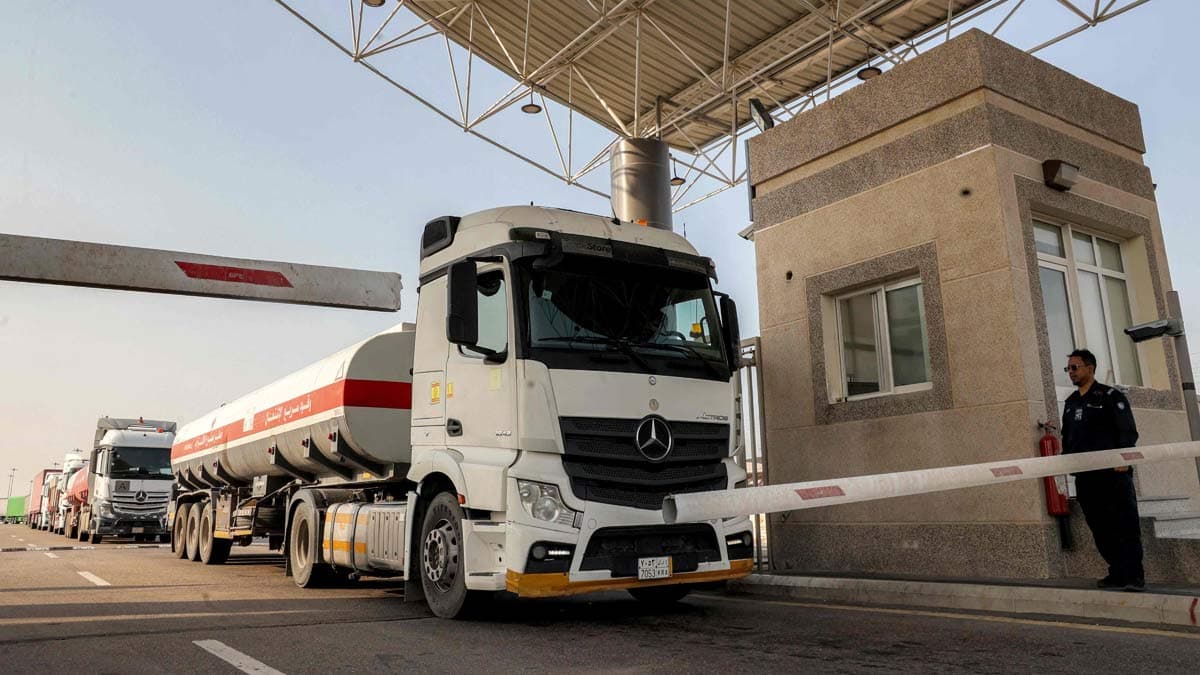
UAE Halts Habshan Gas Facility Operations After Debris From Intercepted Missiles
10 sources compared

Iran Threatens Gulf Energy Facilities After Israel Strikes South Pars Gas Field
11 sources compared