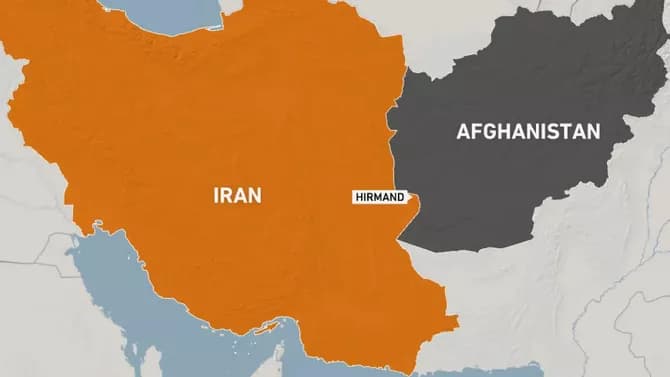
Israel and U.S. Strike Iran, Threaten Central Asia’s Gateway to Global Markets
Key Takeaways
- War in Iran and Afghanistan threatens Central Asia's trade corridors and gateway to global markets
- Conflict threatens and, in places, has disrupted transport, energy, and rail links
- Landlocked Central Asian economies face immediate economic and food-supply fallout
Immediate regional shock
The Israeli-U.S. military operation against Iran has sent immediate economic shockwaves into landlocked Central Asia by severing key trade links, disrupting supplies, and raising costs for states that had deepened ties with Tehran, forcing governments to weigh difficult diplomatic responses.
“photo: Al Jazeera In a new analysis for OilPrice”
Central Asian economies that had been “quietly deepening economic ties with Tehran for years” are now facing direct consequences as trade routes and access to Iranian ports close or become risky, with countries issuing statements calling for restraint while avoiding naming the operation’s initiators.
This disruption has been characterised as a strategic hit to the southern access routes Central Asia relied on as alternatives to Russian and Chinese corridors, leaving policymakers scrambling for alternatives and diplomatic balancing acts.
Food and consumer shortages
The strikes have immediately disrupted staple food and consumer supply chains into Tajikistan, Turkmenistan and Uzbekistan: Iranian dairy, sugar, spices, fruits and vegetables that were staples in Tajik markets have stopped arriving, Somon Air curtailed its Dushanbe–Tehran route, Turkmenistan’s western regions have seen prices spike for basic goods, and Uzbekistan’s dairy imports from Iran—about 8–10 percent of the market—have been cut off.
Specific trade figures underline the exposure: Tajikistan had recorded strong bilateral trade (reaching a record $484 million in 2025) and imports that in 2025 included thousands of tons of oranges, watermelons and white sugar; those flows have now been interrupted, and Uzbeks report that the roughly 15 daily trucks of Iranian dairy that used to come via Turkmenistan “have now stopped.”
Energy and inflation impacts
Energy-market shocks have compounded the trade disruption: Iran’s de facto closure of the Strait of Hormuz briefly disrupted roughly 20 percent of global oil supplies and pushed Brent crude to about $119.50, raising import bills for oil-dependent Central Asian states and increasing transport and inflationary pressures.
“photo: Al Jazeera In a new analysis for OilPrice”
While Kazakhstan as an oil exporter may gain in the short term, that benefit comes with volatility and higher costs elsewhere; for oil-importers like Tajikistan and Kyrgyzstan, rising fuel prices feed directly into inflation, transport costs and the price of essentials.
The surge in energy costs also magnifies the economic pain of blocked southern logistics, sharpening incentives to seek alternative corridors even as routes become more expensive.
Longer-term trade pivot
The crisis has accelerated a strategic pivot in planning: Central Asian states are likely to press for diversification toward the Trans-Caspian International Transport Route (Middle Corridor), deeper ties with China’s BRI and more reliance on northern and Caspian routes, but these shifts come with higher costs, longer delivery times, and slower investment as security concerns deter financing.
Analysts warn that Iran may respond geopolitically—potentially asserting more control over Chabahar port amid regional alignment shifts—and that damage to southern maritime and rail nodes undermines the very architecture Central Asia hoped would reduce reliance on Russia or maritime chokepoints.
Governments face a hard choice between the immediate need to secure supplies and the long-term costs of rerouting trade that could slow growth.
More on Iran
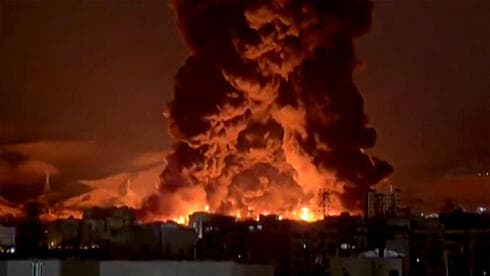
US obliterates military targets on Iran’s Kharg Island, Trump warns
13 sources compared
US Deploys About 2,500 Marines to Middle East After Iran Attacks Gulf Shipping
33 sources compared
FBI Warns of Iranian Drone Plot Based on Unverified Tip; California Says No Credible Threat
10 sources compared

White House Demands ABC Retract Report Claiming Iran Sought To Launch Drone Attacks On California
11 sources compared