Full Analysis Summary
West Bank policy decisions
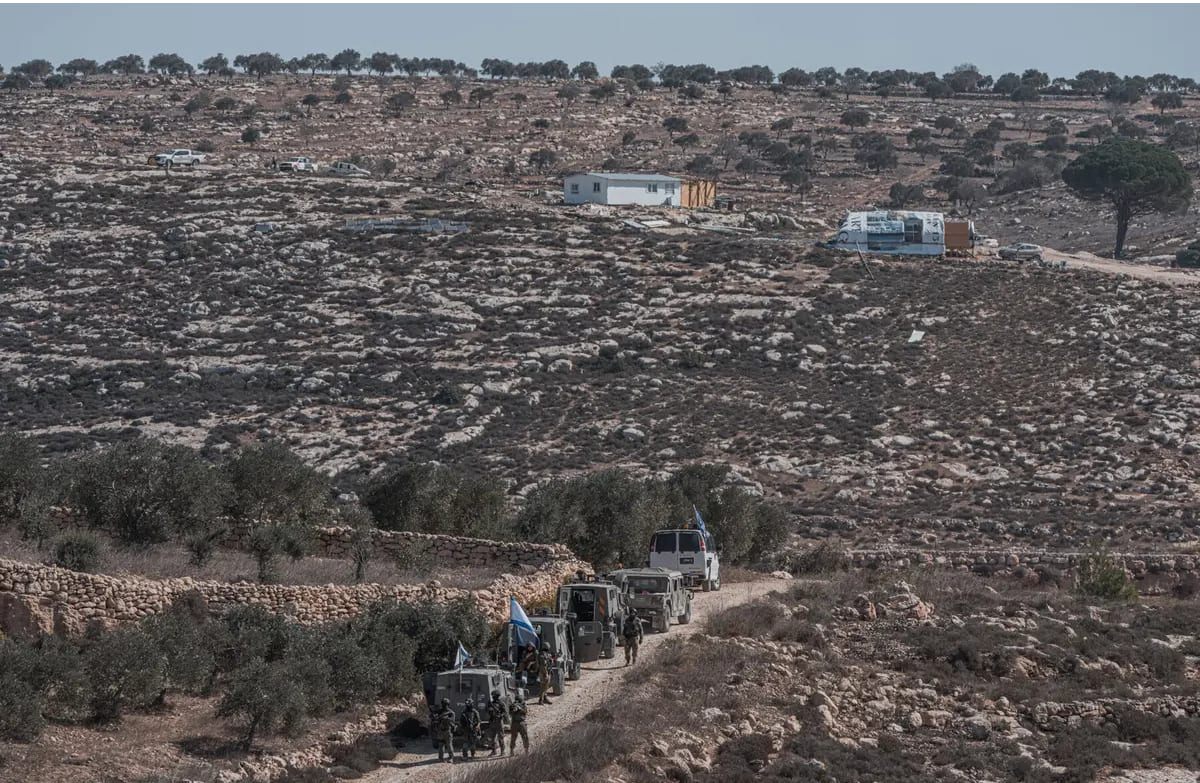
On Feb. 8, Israel’s security cabinet approved a suite of measures that the Palestinian ambassador says amount to an illegal annexation of occupied West Bank land and further colonization.
The measures include approval of new settlements, revocation of Palestinian residency rights, demolition powers for Israeli authorities over historically Palestinian‑administered areas, lifting a ban on selling West Bank land to Israeli Jews, and reviving a state land‑purchase committee.
The Palestinian ambassador condemned the decisions as "a flagrant and deliberate assault on international law," saying they violate the Fourth Geneva Convention and UN resolutions and amount to a continuation of decades-long colonization.
A Philippine report documents these actions and the ambassador’s direct denunciation of the Feb. 8 approvals.
Coverage Differences
Narrative Framing
Philstar (Asian) frames the Feb. 8 decisions as explicit steps that constitute illegal annexation and colonization and quotes the Palestinian ambassador directly calling them “a flagrant and deliberate assault on international law.” vocal.media (Other) does not provide an article text and therefore contributes no substantive coverage of the announcement, which is an omission rather than a differing interpretation.
Palestinian Embassy Demands
The Palestinian embassy issued four concrete demands in response to the Feb. 8 decision.
First, it demanded that the international community, explicitly including the Philippines, condemn the Feb. 8 decision as illegal.
Second, it called for the international community to impose diplomatic and economic consequences on Israel.
Third, it urged that the international community secure international protection for Palestinian civilians.
Fourth, it requested recognition of a Palestinian state on the 1967 borders with East Jerusalem as its capital.
Ambassador Anastas asked for 'meaningful diplomatic and economic consequences' comparable to sanctions used against Russia and Iran.
He cited the Netherlands' recent scaling back of military and trade ties with Israel as an example to emulate.
Coverage Differences
Tone
Philstar (Asian) reports the ambassador’s call for concrete punitive measures (sanctions, diplomatic consequences) and explicitly names examples and comparisons, conveying urgency and a legal‑rights framing. vocal.media (Other) again provides no substantive coverage and therefore omits these demands, meaning readers of vocal.media would miss the embassy’s specific asks.
Philippine-Israeli relations summary
Philstar highlights Philippine-Israeli relations and the wider diplomatic context.
Manila has had formal ties with Israel since 1957 and around 30,000 Filipino workers are in Israel.
There is ongoing defense cooperation and active trade talks between the two countries.
The Philippines has a history of recognizing Palestine and has occasionally voted at the UN in ways critical of Israel.
The Palestinian ambassador told Manila it must choose whether to act consistently with its human-rights and international-law commitments.
At the time of the report, the Philippine foreign ministry had not responded.
Coverage Differences
Unique Coverage
Philstar (Asian) situates the embassy’s demands against Manila’s long relationship with Israel — noting the workforce, defense cooperation, trade, and diplomatic history — which frames the request to the Philippines as a specific diplomatic pressure point. vocal.media (Other) contains no such contextual reporting and so misses how Israel‑Philippines ties complicate possible Filipino responses.
Coverage limitations and sourcing
Limitations and gaps in coverage are important.
The only substantive reporting provided in the materials you gave is the Philstar article, which quotes the Palestinian ambassador and documents the specific cabinet measures and the embassy's demands.
The vocal.media snippet you supplied does not include an article and explicitly asks the user to paste the article text.
Because I am restricted to using only the provided articles, I cannot corroborate the Philstar claims against independent Western-mainstream, Western-alternative, or West Asian media outlets, nor can I confirm follow-up responses from Israel or additional international reactions beyond what Philstar reported.
Coverage Differences
Missed Information
vocal.media (Other) is an omission: it contains no article text and asks the user to paste the article, so it provides no independent facts or perspective to compare with Philstar (Asian). Philstar supplies the substantive claims and quotes the Palestinian ambassador; without other sources, cross‑verification is not possible.