Gaza Genocide09 February, 20263 min read
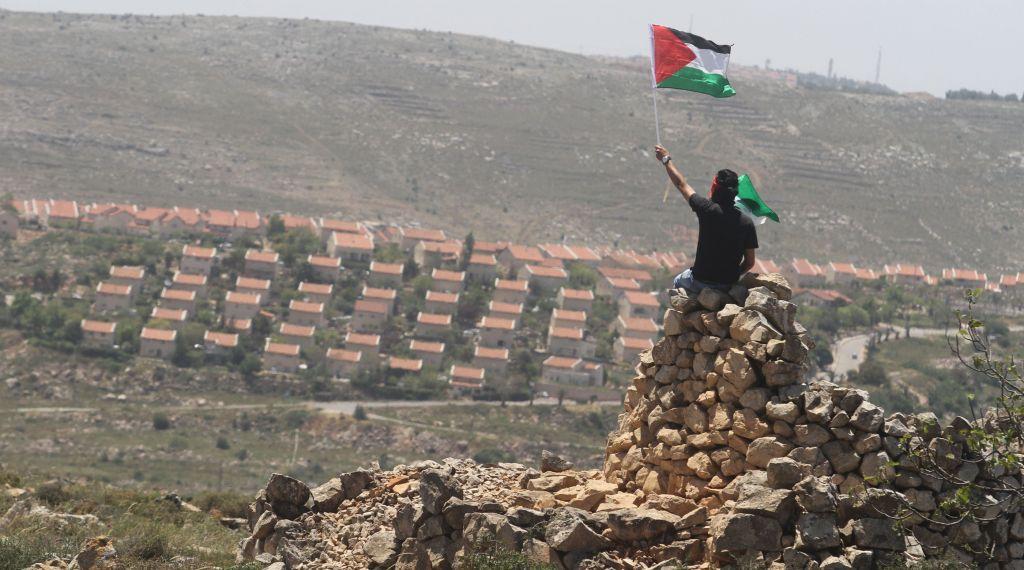
Israel Announces Plan to Annex Occupied West Bank and Kill Palestinian Statehood
Israel's security cabinet approved measures expanding Israeli legal and administrative control in the occupied West Bank Measures lift bans on Jewish private West Bank land purchases and transfer planning authority
36 outlets told this the same way.
Outlets did split on Israel Marks Oct. 7 Anniversary With Strikes on Gaza, Netanyahu Faces Election After Nova Tribute →
middleeasteye.net was read line by line by the Watchdog: 1.6. See the score →
West Bank control measures
Israel's security cabinet approved a package of measures designed to expand Israeli civilian and legal control over large parts of the occupied West Bank, moves that senior ministers explicitly framed as ending Palestinian statehood. The steps include lifting a pre-1967 ban on sales of West Bank land to Israeli Jews; declassifying land-registry records to ease purchases; transferring planning and permit authority for sensitive sites, including parts of Hebron, to Israeli control; allowing Israeli enforcement of environmental and archaeological rules in Palestinian Authority-administered areas; and reviving a committee to buy state land for settlements. The government described the changes as fundamental, and far-right Finance Minister Bezalel Smotrich and Defense Minister Israel Katz praised the package, with Smotrich saying it would bury the idea of a Palestinian state.
“Finance Minister Bezalel Smotrich said the moves aim to ‘bury the idea of a Palestinian state,’ and Defense Minister Israel Katz called the area ‘the heart of the country;’ the government called the changes ‘fundamental.’”
Reactions to Annexation Package
The package provoked immediate, broad international and regional condemnation and alarm among Palestinians. Governments and international bodies warned the changes violate international law and will accelerate settlement expansion and displacement. Arab foreign ministers and Muslim-majority states called the steps illegal annexation and urged intervention.
Western governments and the UN also criticized the measures. Palestinian leaders labeled the steps "dangerous," saying the moves breach the Oslo Accords and further undermine Palestinian self-rule.

Settlements and policy impacts
The cabinet package comes amid a documented surge in settlement approvals and a broader pattern of measures that critics say are designed to fragment Palestinian territorial continuity and weaken the Palestinian Authority. Reporting notes 19 new settlements were approved in December and that more than half a million Israelis now live in West Bank settlements (excluding east Jerusalem) compared with roughly 3 million Palestinians, a demographic and planning reality that critics and rights groups say cements control. Analyses from alternative outlets argue these administrative changes are part of a coordinated strategy, pointing to rising Palestinian deaths, demolitions, arrests, suspension of permits and the removal of economic lifelines to the PA as cumulative measures reshaping life under occupation.
“The decisions follow a reported surge in settlement approvals in 2025 (19 settlements approved in December); more than 500,000 Israelis live in West Bank settlements (excluding east Jerusalem) compared with roughly 3 million Palestinians.”
Framing of Gaza conflict
Various sources and reports frame the wider war and occupation dynamics as genocidal or as systematic killing and displacement, with some outlets using that language explicitly and others avoiding it. Middle East Eye reports that a report labels the wider conflict that began on 8 October 2023 as 'genocide' and documents alleged Israeli ceasefire violations causing hundreds of Palestinian deaths. Alternative analyses, such as Informed Comment, catalogue a sharp rise in Palestinian fatalities, mass demolitions and forcible displacement as part of a coherent strategy.
Regional reporters describe Israeli forces demolishing Palestinian homes and using bulldozers in occupied areas, while mainstream outlets focus on legal and diplomatic fallout. The result is conflicting severity: some sources use the term genocide and document civilian deaths and displacement attributed to Israeli military operations, while many mainstream outlets emphasize legal change and international response without employing genocidal language.

Impact of Israeli measures
Taken together, the reporting indicates these security-cabinet measures will deepen Israeli control, speed settler expansion and further fracture Palestinian governance and territory — outcomes that many sources say make a viable Palestinian state ever less possible. The UN secretary-general and other international figures warned the measures weaken the prospects for a two-state solution and called for respect for international law. Analysts argue the administrative tools now being used (registry declassification, permit takeover and environmental enforcement) amount to practical annexation mechanisms.
“The announcement provoked broad international condemnation. The US signaled that the Trump administration opposes West Bank annexation, saying a stable West Bank is key to Israel’s security and regional peace. The UK ‘strongly condemns’ the measures as inconsistent with international law. The EU called them ‘another step in the wrong direction’ and warned sanctions, including possible suspension of parts of the EU‑Israel trade agreement, remain on the table.”
Coverage differs by outlet: Western mainstream pieces stress diplomatic fallout and possible sanctions. Regional and West Asian outlets foreground Palestinian displacement and calls for resistance. Alternative outlets present the moves as one element in a broader strategy that includes killings, demolitions and economic strangulation.
