Gaza Genocide25 December, 20252 min read
Israel Approves 19 New Illegal Settlements in Occupied West Bank, 14 Countries Condemn
Israel approved 19 new settlements in the occupied West Bank. Fourteen countries, including Belgium, France, the UK, Canada and Japan, condemned the approvals.

10 outlets told this the same way.
Outlets did split on Israel Marks Oct. 7 Anniversary With Strikes on Gaza, Netanyahu Faces Election After Nova Tribute →
West Bank settlement approvals
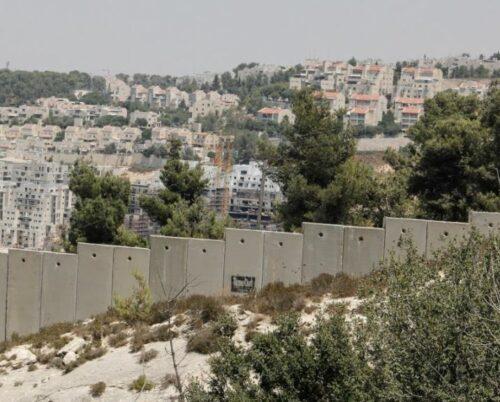
Israel's security cabinet approved this week the establishment of 19 new settlements in the occupied West Bank, bringing the number of settlements approved or legalized under the current government to roughly 69 in the past three years, according to multiple reports. Media outlets reported that far-right finance minister Bezalel Smotrich described the approvals as aimed at preventing a future Palestinian state.
“Israel’s far-right finance minister Bezalel Smotrich said a recently approved plan aims to prevent a future Palestinian state and noted that 69 settlements have been legalized in the past three years.”
Some of the approvals include re-establishing sites dismantled in 2005 and projects such as E1, along with plans for thousands of new housing units. Several sources place the approvals within a broader surge of settlement expansion that the UN says is the highest level since at least 2017.
International coalition statement
A coalition of 14 countries — including Britain, Canada, Germany, France, Belgium, the Netherlands, Spain, Norway, Italy, Japan and others — issued a joint statement condemning the approvals as violations of international law and urging Israel to reverse the decision. The statement warned the move risks undermining a fragile Gaza ceasefire and jeopardizing progress toward a second phase of a truce. It also repeatedly affirmed Palestinians' right to self-determination and reiterated support for a negotiated two-state solution.
Israeli leaders' responses
Israeli officials rejected the international criticism. Foreign Minister Gideon Sa’ar said the approvals addressed security threats and tweeted that foreign governments 'will not restrict the right of Jews to live in the Land of Israel,' calling such demands 'morally wrong and discriminatory.' Far-right Finance Minister Bezalel Smotrich framed the approvals as aimed at preventing a Palestinian state and boasted of nearly 70 settlements approved or legalized under the government.
“Israel’s foreign minister Gideon Sa’ar rejected the criticism, saying the approvals address security threats and tweeting that foreign governments 'will not restrict the right of Jews to live in the Land of Israel,' calling such demands morally wrong and discriminatory.”
Some reports note two settlements were re-established after the 2005 disengagement. Defence Minister Israel Katz briefly asserted Israel would 'never leave Gaza' before retracting that remark, according to coverage.
Legal and humanitarian risks
UN and other bodies say settlement expansion is at its highest level since at least 2017, signaling converging legal and humanitarian concerns about rising risk. The Palestinian Embassy warned that recent approvals — including E1 and thousands of units — risk de facto annexation and could jeopardize the 'Comprehensive Plan for Gaza' and progress to 'phase 2.'
Maktoob Media cites the International Court of Justice's July 19, 2024 advisory opinion that Israel’s continued presence in occupied Palestinian territory is unlawful and breaches the Fourth Geneva Convention. Other outlets anchor their legal arguments to UN Security Council resolution 2334 and widely shared international-law language.

Impact of settlement approvals
Reports say the settlement approvals deepen barriers to a contiguous Palestinian state, risk derailing a fragile Gaza truce process, and intensify diplomatic isolation between Israel and several Western and regional governments. Some outlets link the approvals to the wider human cost of the war in Gaza, reporting the conflict has killed nearly 71,000 Palestinians and noting that Arab states and the UN have joined international concern. The combined coverage portrays a policy that many sources say will harden facts on the ground and make a negotiated two-state outcome more difficult.
“Fourteen countries ... condemned Israel’s approval this week of 19 new West Bank settlements, bringing settlement approvals to about 70 in the past three years.”