Gaza Genocide05 November, 20253 min read
Israel Arrests Top Military Lawyer for Leaking Video of Soldiers Abusing Palestinian Detainee
This article is an automated aggregation of coverage from news outlets. Our editorials offer in-depth analysis curated by the NewsCord team.
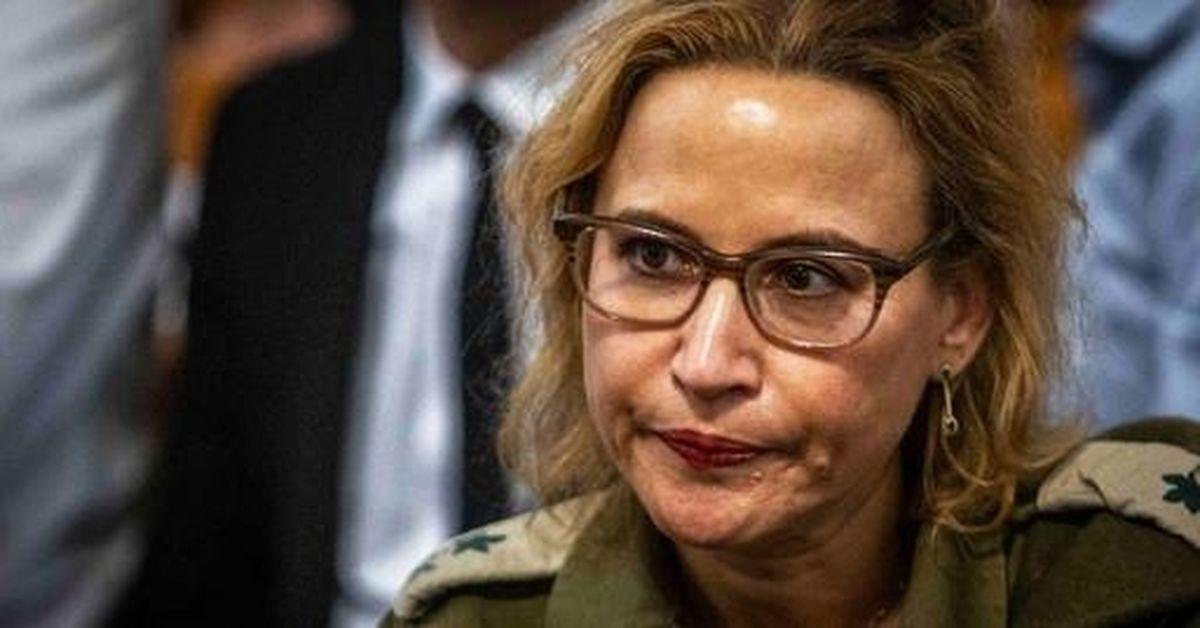
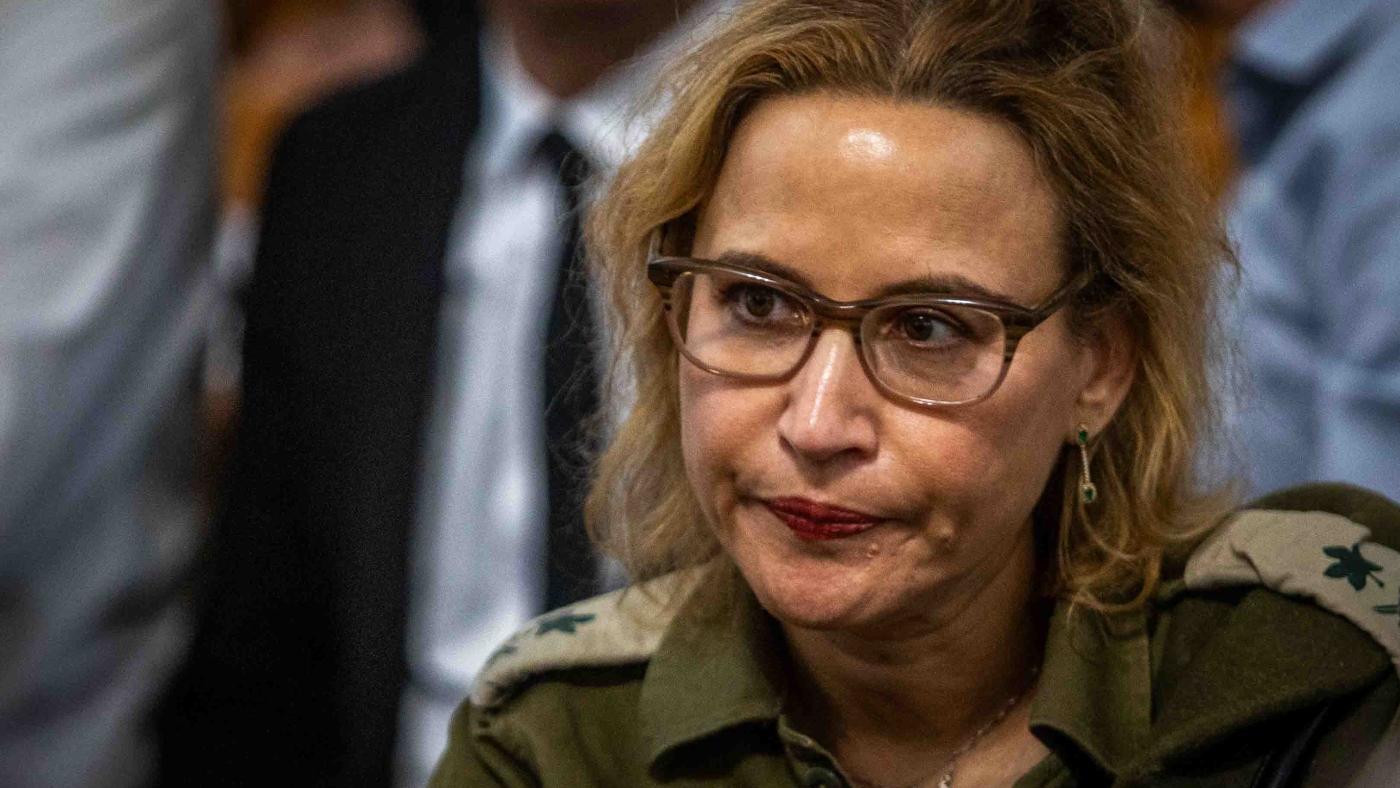
Maj. Gen. Yifat Tomer-Yerushalmi, Israel’s top military lawyer, was arrested for leaking abuse video. The leaked video showed Israeli soldiers abusing a Palestinian detainee at Sde Teiman military base.

6 outlets told this the same way.
Outlets did split on Thousands March in London Calling for Britain to Stop Arming Israel and Impose Sanctions →
Israeli Military Abuse Scandal
Israeli military police are prosecuting soldiers after a leaked surveillance video showed Israeli soldiers assaulting and sodomizing a Palestinian detainee at Sde Teiman.
“A leaked surveillance video showed soldiers assaulting and sodomizing a Palestinian prisoner, leading to serious injuries and a pending military court case.”
The assault caused serious, life-threatening injuries that required surgery.

NPR reports the video showed soldiers assaulting and sodomizing a Palestinian prisoner, leading to serious injuries.
SSBCrack News reports a medical professional called it the worst abuse case seen in Sde Teiman.
CNN says the footage led to indictments against five soldiers.
The fallout triggered hardline street action; NPR reports opponents of the arrests broke into the detention center.
SSBCrack News adds that violence escalated when military police moved to arrest suspects.
Beyond the soldiers’ case, NPR and SSBCrack News say authorities opened three parallel probes and arrested former chief military prosecutor Col. Matan Solomesh in the leak investigation.
The scandal widened from frontline abuse to the military’s legal corps.
Legal Case of Tomer-Yerushalmi
At the center of the storm is Tomer-Yerushalmi, identified by CNN as the former chief military attorney who resigned, was briefly missing, then was found and arrested. CNN lists charges including fraud, breach of trust, abuse of power, obstruction of justice, and leaking classified information, and says she is suspected of misleading the High Court. NPR adds she was found alive after a suspected suicide attempt and says right-wing politicians accused her of staging the attempt to destroy evidence.
NPR also notes she is detained on suspicion of fraud, breach of trust, and obstruction of justice. Both SSBCrack News and The Media Line report that she leaked the video and resigned, saying she acted to counter claims that the military unfairly targets its own soldiers and to force investigations into detainee abuse amid public pressure and threats.
Political Fallout from Military Leak
The political reaction was aggressive. CNN reports that Defense Minister Israel Katz and Prime Minister Benjamin Netanyahu attacked Tomer‑Yerushalmi for damaging the military’s reputation and called for severe sanctions. Justice Minister Yariv Levin tried to block the attorney general from probing the leak, an action the attorney general’s office condemned as unlawful interference.
“Despite the video’s authenticity, right-wing Israeli officials, including Defense Minister Israel Katz and Prime Minister Netanyahu, harshly criticized Tomer-Yerushalmi, accusing her of damaging the military’s reputation and calling for severe sanctions against her.”
NPR situates this inside a broader shake‑up, saying security officials are being replaced with Netanyahu loyalists. The Media Line describes a narrative of power blaming the gatekeepers, noting critics say authorities are shifting blame to the judiciary rather than confronting wartime abuses.
Netanyahu labeled the leak the worst public relations disaster in Israel’s history. SSBCrack News underscores society‑level peril, warning the turmoil is rekindling pre‑October 2023 divisions.
Legal and International Fallout
The scandal’s legal and international stakes are expanding.
CNN reports the Palestinian detainee was returned to Gaza under a US-brokered ceasefire, complicating prosecution.

The Media Line says Israel now faces economic and academic boycotts and worries that soldiers could be prosecuted abroad.
It also notes numerous other cases of soldiers’ illegal acts posted online remain uninvestigated.
NPR summarizes the legal agenda into three fronts: abuse by soldiers, civilian interference in the probe, and alleged misconduct by Tomer-Yerushalmi.
SSBCrack News echoes that three investigations are underway and adds the arrest of Col. Matan Solomesh.
This underscores how the inquiry has reached the military’s legal hierarchy.
Political Turmoil and Protests
Street-level blowback and elite infighting are feeding each other. NPR reports opponents of the soldiers’ arrests broke into the detention center. SSBCrack News warns the affair has reignited national divisions and stoked fears of societal strife reminiscent of the period around Rabin’s assassination.
“The incident sparked violent protests, including a break-in at the detention center by opponents of the arrests.”
NPR says the uproar reflects unresolved internal conflicts from years of war after the October 2023 Hamas attack. The Media Line underscores that gatekeepers are being targeted as Israel’s image is battered abroad.
CNN casts the episode as part of a broader right-wing campaign against Israel’s judiciary. Together, these accounts show a state confronting soldier-perpetrated detainee abuse and a leadership that responds by pursuing the leaker, rattling rule-of-law institutions while protests escalate on the ground.