Israel Assassinated Hezbollah Military Chief Haytham Ali Tabtabai in Beirut Airstrike

Israel Assassinated Hezbollah Military Chief Haytham Ali Tabtabai in Beirut Airstrike

24 November, 202520 sources compared
Lebanon

Key Points from 20 News Sources

  1. 1

    Israeli airstrike in Beirut's southern suburb killed Hezbollah military chief Haytham Ali Tabtabai

  2. 2

    Strike killed five people and wounded about 25 to 28 others

  3. 3

    Attack occurred despite a U.S.-brokered ceasefire and was first strike on Beirut in months

Full Analysis Summary

Beirut airstrike report

An Israeli airstrike on 23 November struck the Haret Hreik/Dahiyeh suburb in southern Beirut and killed Haytham Ali Tabtabai (also reported as Haytham Tabtabai or Sayyid Abu Ali), whom multiple outlets identify as a senior Hezbollah military leader.

Lebanon’s health ministry reported five dead and varying counts of wounded.

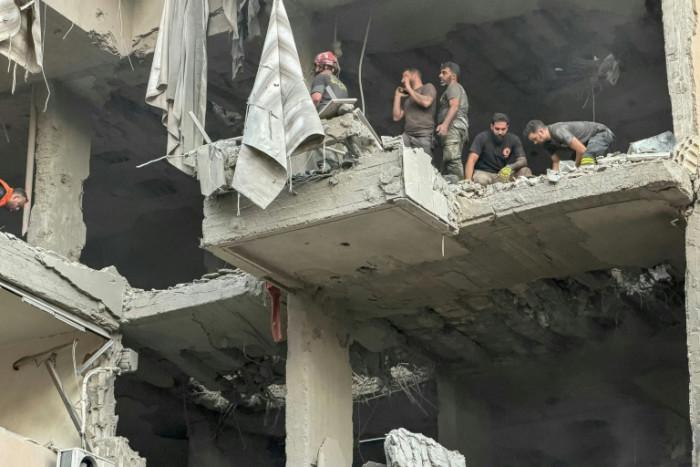
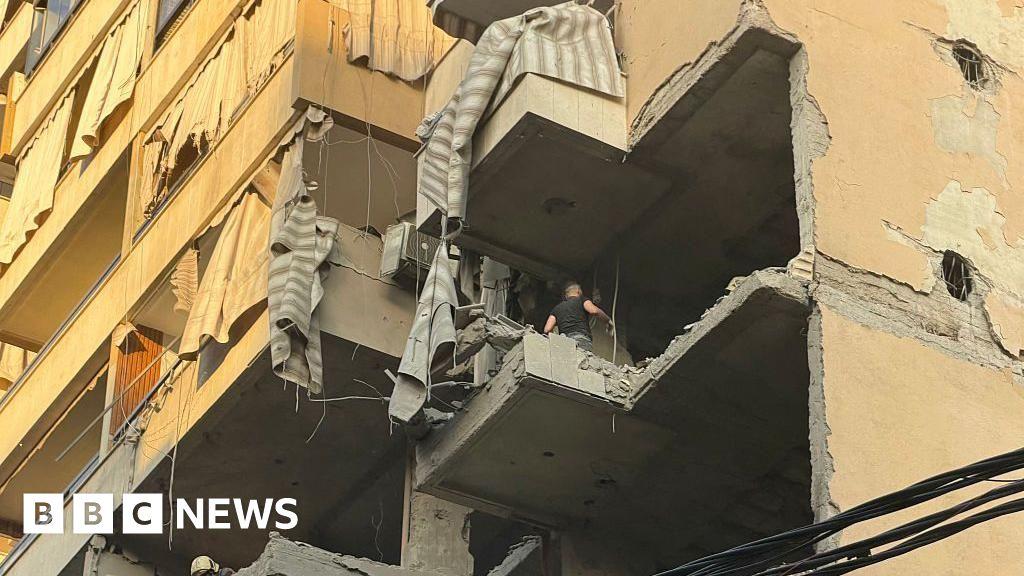
Reports say the strike hit an apartment or multi-storey residential building in the densely populated area, prompting residents to flee and damaging nearby cars and property.

Israeli and Hezbollah statements followed: Israel described Tabtabai as a high-ranking commander linked to rearmament and operational leadership, while Hezbollah confirmed his death and called it a "red line".

Coverage Differences

Casualty and location details

Sources differ on exact casualty totals and how they describe the strike site. Several outlets quote Lebanon’s health ministry with five killed but vary between 25 and 28 wounded, while one outlet framed the toll as four others killed and 28 wounded. Some reports stress a multi‑storey residential building was hit; others say an apartment or main road was struck.

Title and rank attributed to Tabtabai

Outlets vary in the rank they give Tabtabai: some call him Hezbollah’s chief of staff or chief of general staff, others the group’s de facto military chief or a top military leader. These differences affect how the strike is framed — as targeting the organisation’s highest operational commander versus a senior but not necessarily topmost figure.

Profile and Allegations

Sources differ on Tabtabai’s biography and alleged role.

Several outlets report longstanding ties to Hezbollah’s military apparatus, noting his leadership of the elite Radwan unit and membership dating back to the group’s founding.

Other sources emphasise his recent elevation amid losses of senior commanders.

Reports also state he was sanctioned by the United States in 2016 and that a reward was offered for information about him.

Coverage Differences

Background details and lineage

Some outlets provide personal background (birth year, parentage, long membership) and trace his rise inside Hezbollah; others focus narrowly on his recent operational role and appointment as acting chief after losses. This influences whether coverage portrays him as a veteran builder of the movement or primarily as a recent operational leader.

Sanctions and US involvement

Several outlets report U.S. sanctions and a monetary reward tied to Tabtabai, which some use to underscore international targeting and the strike’s broader strategic context.

Reactions to the strike

Reaction on the ground and in Lebanon was immediate.

Funerals in Beirut's southern suburbs drew hundreds and included chants against Israel and the United States.

Hezbollah described Tabtabai as a 'great jihadist commander', praised his martyrdom, and warned that the strike crossed a 'red line'.

Lebanese political figures urged international action to halt attacks and warned of potential escalation.

Coverage Differences

Tone and rhetoric

West Asian outlets (Tehran Times, Al Jazeera) and pro‑Hezbollah reporting emphasise martyrdom and defiant rhetoric, while Western mainstream outlets (CBC, Haaretz) stress warnings of escalation and calls for restraint by state authorities; Western alternative sources highlight casualty tolls and continued strikes since the ceasefire.

Public mobilisation vs state response

Some sources emphasise large public funerals and mobilised grassroots reaction (Cyprus Mail, Firstpost) while others also note official state responses — Lebanon’s president urging international action or the Lebanese government denying responsibility for Hezbollah’s armament — showing a mix of grassroots anger and institutional diplomacy.

Hezbollah strike aftermath

Analysts and officials emphasised the risk of wider escalation.

They framed the strike in a regional and post‑ceasefire context.

Israeli leaders said the operation targeted rearmament and rebuilding of Hezbollah’s capabilities.

Commentators warned the killing could destabilise the fragile post‑ceasefire balance and provoke retaliation.

Reports note heightened Israeli operations across southern Lebanon in recent weeks.

Reports also note sustained drone surveillance over Beirut, the south and the Bekaa.
Coverage Differences

Framing of strategic intent

Israeli and many Western outlets (Haaretz, CBC) frame the strike as preventive — to stop rearmament or imminent threats — whereas alternative and regional outlets (Middle East Eye, Daily Times) emphasise the risk that repeated strikes and near‑daily operations are part of an increasingly assertive Israeli campaign that risks escalation across Lebanon.

Timing and escalation risk

Sources disagree slightly on whether this was the first strike on Beirut since June or the first unannounced attack since the November 2024 ceasefire; those chronological framings alter immediate perceptions of whether the strike marks an abrupt escalation or a continuation of recent patterns.

Reactions and regional implications

Beyond immediate headlines, outlets differ on likely next steps and international implications.

Some emphasize diplomatic pressure on Lebanon to disarm Hezbollah and note U.S.-Israeli coordination.

Others highlight warnings from Lebanese officials and analysts that retaliation is possible.

They say the incident could imperil regional stability, particularly with Pope Leo's planned visit and ongoing humanitarian and security concerns in southern Lebanon.
Coverage Differences

International and diplomatic emphasis

Western mainstream outlets (CBC, Haaretz) highlight U.S.-Israeli pressure on Lebanon to disarm Hezbollah and governmental responses; West Asian outlets (Tehran Times, Al Jazeera) foreground Lebanese political reactions and the rhetorical framing of martyrdom and resistance. Alternative outlets (Middle East Eye) underline civilian costs since the ceasefire and suggest the strikes form part of sustained pressure on Lebanon’s south.

Operational signals vs diplomatic messaging

Some reports stress Israeli operational messaging — public confirmation of the kill and statements about preventing threats — while others stress diplomatic maneuvers and calls for intervention, showing a split between military signalling and political/diplomatic efforts to manage escalation.

All 20 Sources Compared

abc.net.au

Israel kills Hezbollah's military chief in Beirut air strike

Read Original

Al Jazeera

Who was Haytham Ali Tabatabai, Hezbollah official killed by Israel?

Read Original

AL-Monitor

Hezbollah mourns top commander killed in Israeli strike, Iran's Revolutionary Guards urge revenge

Read Original

bangkokpost

Hezbollah mourns top commander killed in an Israeli strike

Read Original

BBC

Israel kills top Hezbollah official in first attack on Beirut in months

Read Original

CBC

Israel strikes Lebanon's capital killing top Hezbollah official, despite ceasefire

Read Original

Cyprus Mail

Crowds in Beirut suburbs mourn Hezbollah commander slain by Israel

Read Original

Daily Times

Israel kills Hezbollah commander in Beirut airstrike

Read Original

DW

Israel targets Hezbollah commander in Beirut strike

Read Original

Firstpost

Hezbollah top commander killed in Israeli air strike on Beirut, many sustain injuries

Read Original

France 24

Hundreds attend funeral of Hezbollah top commander killed in Israeli strike

Read Original

Haaretz

20-year-old Palestinian Killed by IDF in Clash With Israeli Settlers in West Bank

Read Original

Middle East Eye

Lebanon: Israel 'kills' top Hezbollah commander in Beirut strike

Read Original

RTE.ie

Israel says Hezbollah leader killed in Beirut strike

Read Original

SOFX

Israel Kills Hezbollah’s Top Commander in Lebanon Strike

Read Original

Tehran Times

Iran says no option but to ‘confront’ Israel after attack on Beirut

Read Original

The Australian

Israel kills Hezbollah military chief in Beirut

Read Original

Times Now

Haytham Tabtabai Killed? What We Know About Hezbollah's Top Military Chief Targeted In Israel’s Beirut Strike

Read Original

WION

Hezbollah’s top commander Haytham Ali Tabatabai killed in Beirut airstrike, Israel claims responsibility

Read Original

ایران اینترنشنال

Iran security chief says no path left but direct clash with Israel | Iran International

Read Original