
Israel Assassinated Iran's Supreme National Security Council Secretary Ali Larijani and Basij Commander Gholamreza Soleimani
Key Takeaways
- Ali Larijani, SNSC secretary, killed in Israeli strikes.
- Gholamreza Soleimani, Basij commander, killed in the same operation.
- Iran's state media confirmed the killings hours after Israel claimed the strikes.
Assassination Overview
The killing of Ali Larijani, secretary of Iran's Supreme National Security Council, and Gholamreza Soleimani, commander of Iran's Basij militia, represents a significant escalation in the ongoing conflict between Israel and Iran.
“Top Iranian security official Ali Larijani and the commander of Iran’s internal Basij militia, Gholamreza Soleimani, have been killed, Iran’s state media confirmed hours after Israel claimed to have killed the two”
Iranian state media confirmed the assassinations hours after Israel claimed responsibility for the overnight airstrikes near Tehran, with Larijani described as having reached 'the blessed rank of martyrdom' in service to the nation.

The Israeli military described the strike on Larijani as 'precise' and claimed he was 'eliminated,' while also reporting the killing of Soleimani in a separate attack.
Larijani was killed alongside his son Morteza, his aide Reza Bayat, and several companions in what Iranian media described as an attack at his daughter's home in the Pardis area.
These assassinations follow the earlier killing of former Iranian Supreme Leader Ayatollah Ali Khamenei in U.S.-Israeli strikes on February 28, marking a sustained campaign targeting Iran's top leadership.
Larijani's Background
Ali Larijani was one of Iran's most prominent political figures with a career spanning over four decades across multiple key institutions.
Born in 1957 in Najaf, Iraq, he held senior positions including head of Iran's Central News Unit, deputy chief of staff of the Revolutionary Guards, and head of the Islamic Republic of Iran Broadcasting.
He served as speaker of Iran's parliament for three consecutive terms from 2008 to 2020, and was reappointed as secretary of the Supreme National Security Council in 2025.
Larijani was instrumental in Iran's nuclear negotiations with the West and was generally associated with Iran's conservative principlist camp, though recent commentary suggested he had adopted a more moderate tone.
After Khamenei's assassination, Larijani 'functioned as the de facto leader of the Iranian regime' according to the IDF, making him the highest-ranking Iranian official killed in the U.S.-Israeli attacks since the former supreme leader.
His academic background included degrees in computer science and philosophy, reflecting his dual role as both politician and intellectual.
Soleimani's Role
Gholamreza Soleimani, commander of Iran's Basij paramilitary force, was killed in a separate Israeli airstrike as part of the same campaign targeting Iranian leadership.
“Israel's Defense Forces said Wednesday that Iran's intelligence minister, Esmail Khatib, had been killed in a "targeted strike" in Tehran, marking the third assassination of a high-ranking official in just two days”
The Basij, described by Israeli officials as 'plain-clothes militia unit of the Islamic Revolutionary Guards Corps,' operates as a key internal security apparatus.
Under Soleimani's command over the past six years, the Basij unit 'led the main repression operations in Iran, employing severe violence, widespread arrests, and the use of force against civilian demonstrators,' according to the IDF.
The Basij forces are reportedly 'part of the armed apparatus of the Iranian terror regime' and have been central to suppressing internal dissent, particularly during periods of intensified demonstrations.
Soleimani's assassination represents the targeting of Iran's internal security structure, complementing the focus on nuclear and missile capabilities in the broader U.S.-Israeli military operation against Iran.
Israeli Justifications
The Israeli Defense Forces (IDF) claimed responsibility for both assassinations, describing Larijani as 'one of the most veteran and senior figures within the Iranian regime leadership' and 'the de facto leader' after Khamenei's death.
IDF spokesperson Avichay Adraee characterized Larijani as 'one of the oldest and most prominent figures at the top of the pyramid of the Iranian terrorism regime,' stating that his death 'constitutes a further blow to the Iranian regime's abilities to manage and coordinate hostile activity against the State of Israel.'
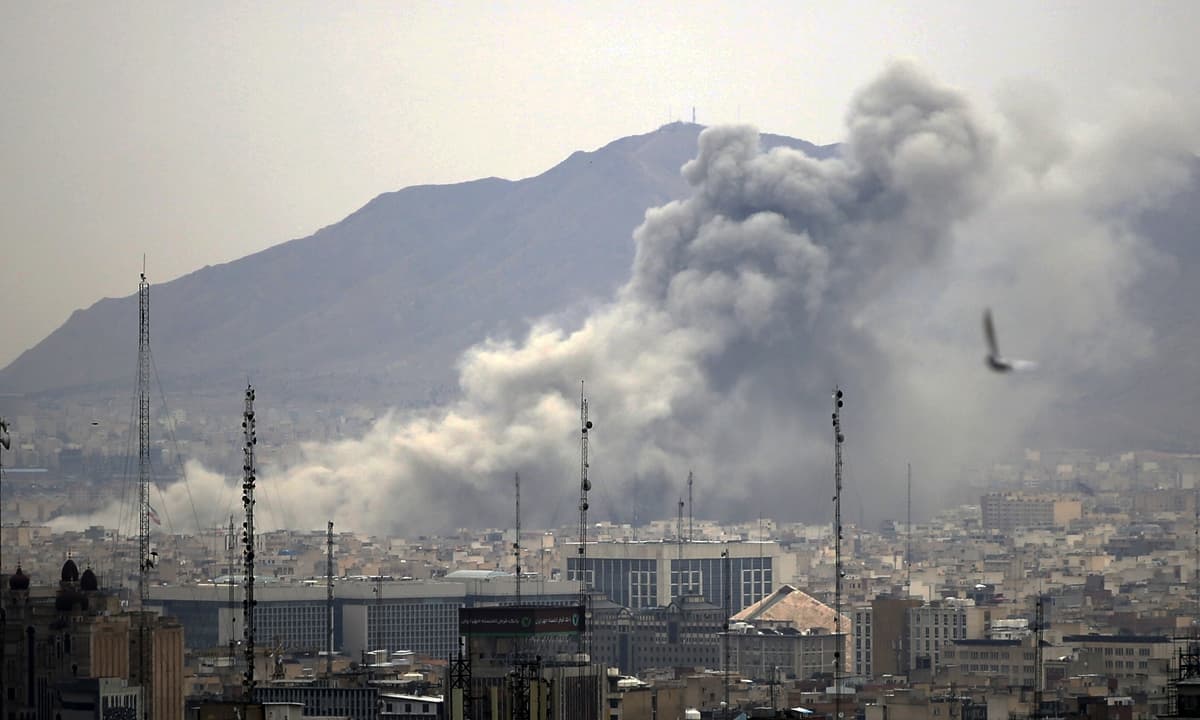
Israeli Defense Minister Israel Katz indicated that Benjamin Netanyahu had instructed the IDF to 'continue hunting down the leadership of Iran's regime,' noting the 'high rate of turnover' in Iranian leadership that Israel claims to be causing.
The IDF described the strike on Larijani as 'precise' and stated he was 'located near Tehran,' while Israeli defense sources told The Jerusalem Post that 'massive intelligence and operational resources were poured into locating him' after he became Israel's 'number one target' following Khamenei's assassination.
Iranian Reactions
Iranian officials reacted to the assassinations with vows of retaliation, with the Islamic Revolutionary Guard Corps vowing to 'avenge the deaths of those who have died in the conflict.'
“Iran Officially Announces Death of Ali Larijani Iran’s Supreme National Security Council officially announced the killing of Ali Larijani, with no further details yet released”
The IRGC stated in a carried by Fars News Agency that 'The pure blood of Martyr Ali Larijani, like that of our other dear martyrs, will serve as a source of honor, strength, and national awakening against the global front of arrogance and international Zionism, and the Islamic Revolutionary Guard Corps will certainly never forget to avenge the blood of this great martyr and the other martyrs of the Sacred Defense.'
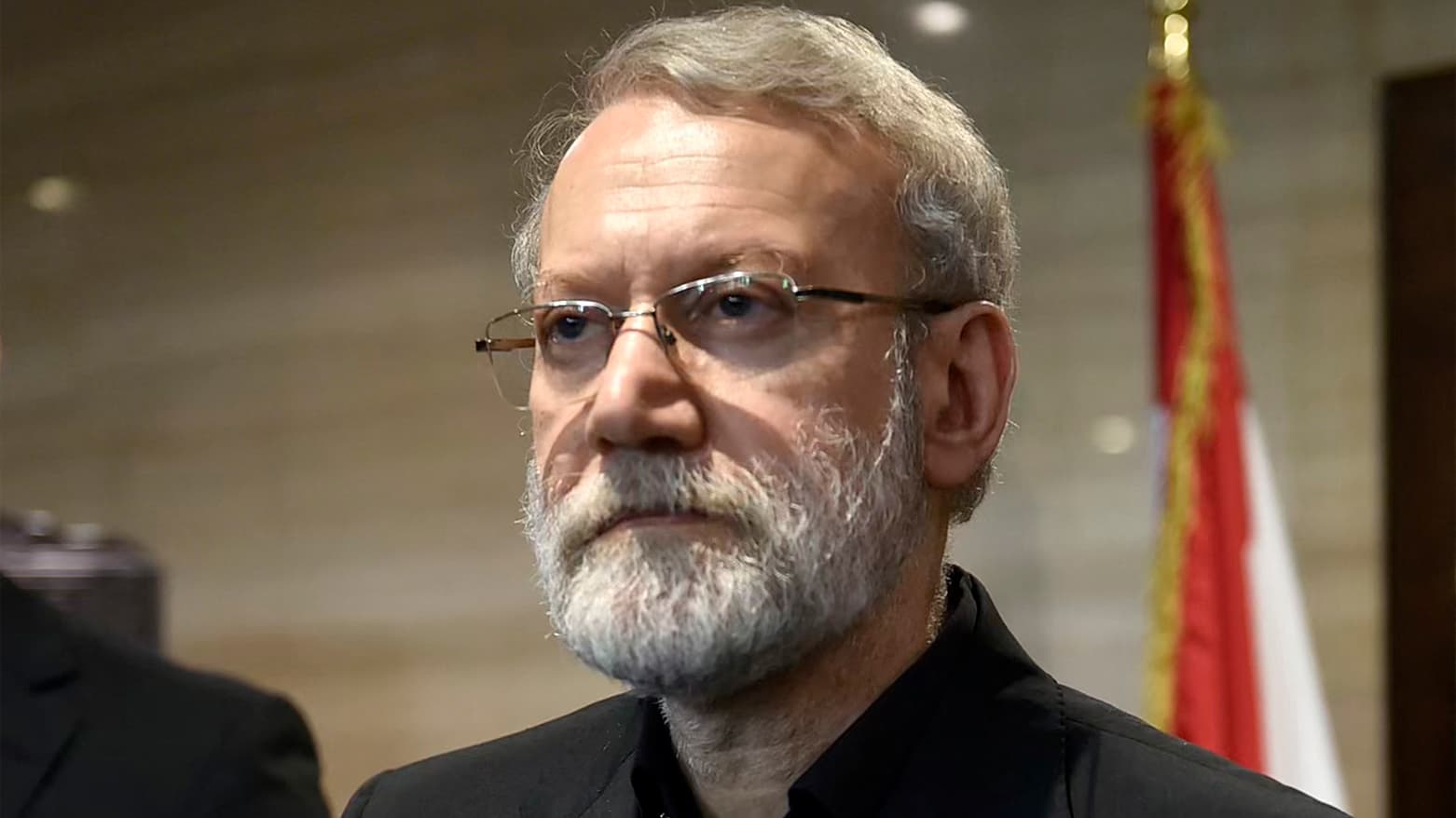
Iran's new supreme leader, Ayatollah Mojtaba Khamenei, issued a rare statement warning of retaliation following Larijani's killing.
Iranian media portrayed Larijani as having dedicated his 'entire life, since the victory of the Islamic Revolution, to serving Islam and the revolution,' with state media describing him as reaching his 'long-cherished wish' of martyrdom.
Larijani himself had issued a veiled threat against President Donald Trump on March 10 and released a message to Muslim-majority nations the day before his death, appealing for unity against the 'treacherous aggression' by the U.S. and Israel.
Global Impact
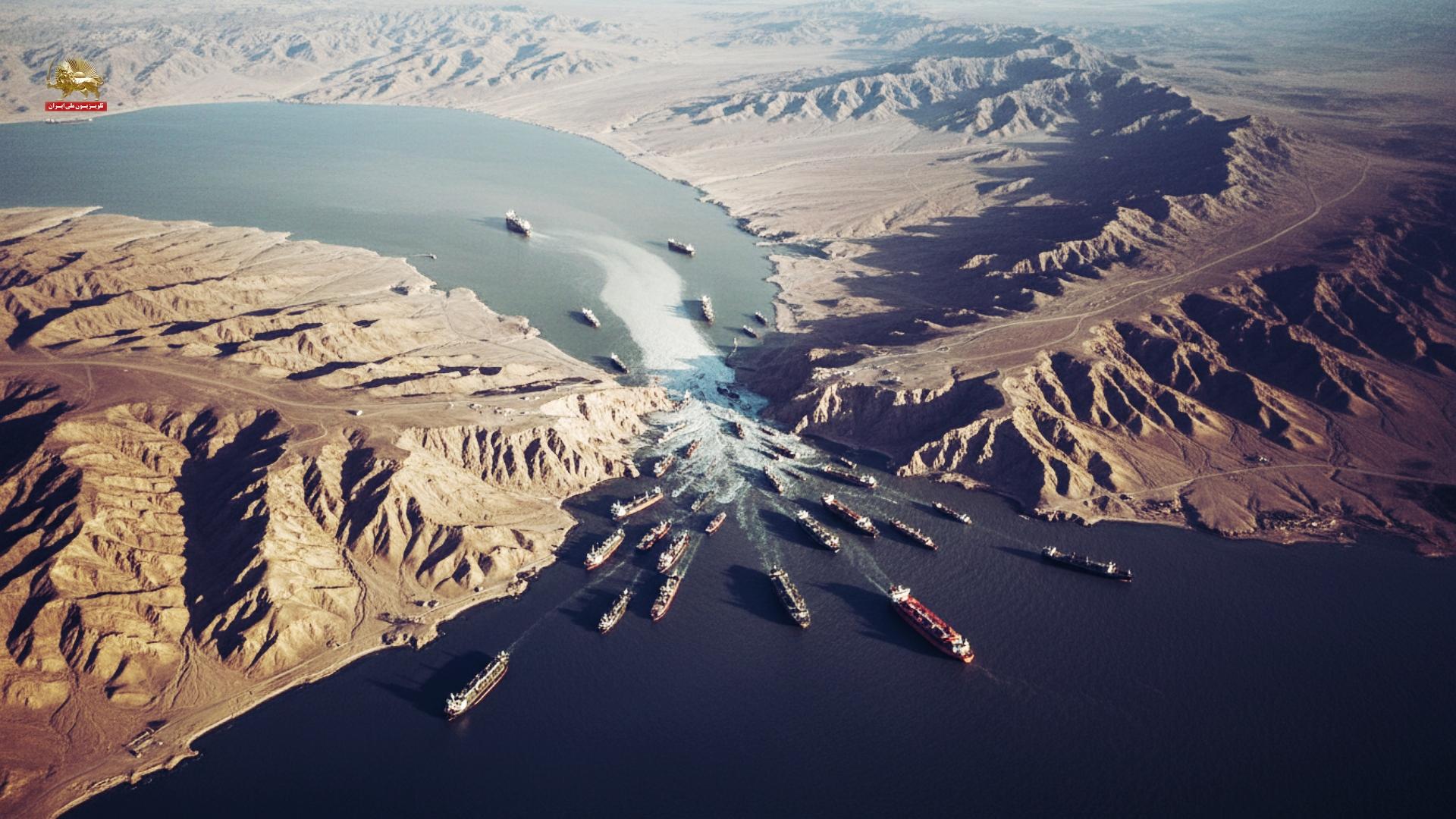
The assassinations have significant regional and international consequences, including surging oil prices that reached over $109 per barrel as Iran made navigation through the Strait of Hormuz virtually impossible.
The U.S. administration responded by easing sanctions on Venezuela and temporarily waiving maritime shipping requirements to boost world oil supplies.
Meanwhile, facilities associated with Iran's massive offshore South Pars natural gas field came under attack, with Qatar blaming Israel for the assault.
The killings are expected to feature prominently in congressional hearings with Trump administration national security officials being pressed on the war in Iran.
Federal Reserve officials expressed concern that the Iran war will worsen inflation in 2026 while having limited impact on growth, though they maintained expectations for one rate cut this year.
Countries like Egypt and Slovakia have begun implementing measures to cope with the economic fallout, with Egypt ordering businesses to close early to save energy and Slovakia imposing caps on diesel purchases.
The assassinations represent a critical juncture in the ongoing conflict, with potential for further escalation as Iran vows retaliation and Israel continues its campaign targeting Iranian leadership.
More on Iran
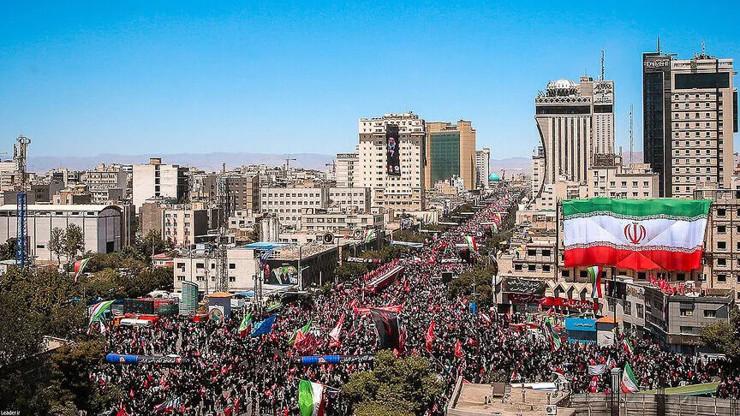
Israeli Strike Kills Ayatollah Ali Khamenei, Buried at Imam Reza Shrine in Mashhad
19 sources compared
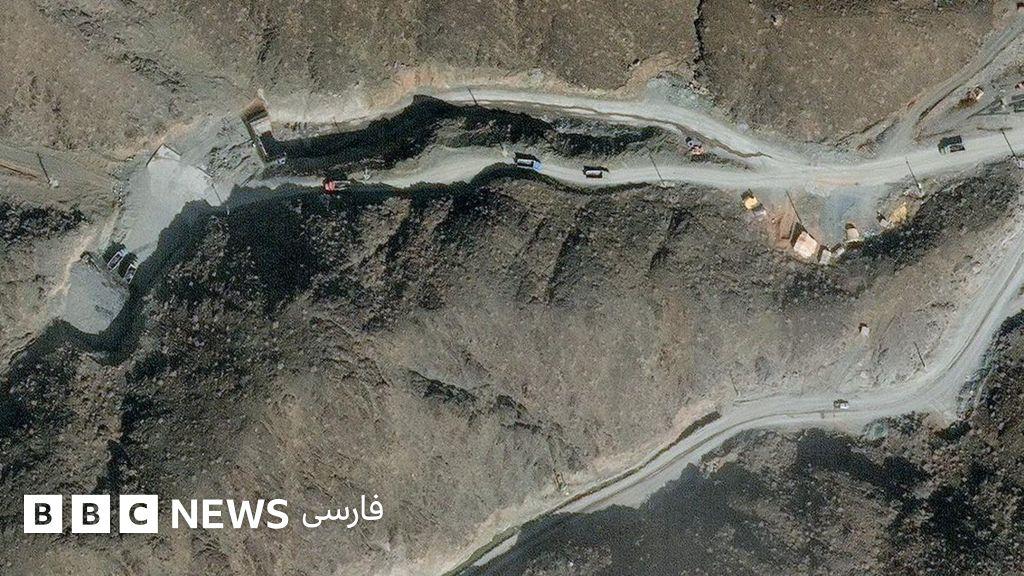
Iran Attempts To Restore Nuclear Sites Damaged In US And Israel Strikes, CNN Satellite Images Show
15 sources compared
Abbas Araghchi and Prince Faisal Bin Farhan Discuss Regional Developments After US Attacks
11 sources compared

Trump Says U.S. Agreed to Continue Iran Talks, Ceasefire Is Over
19 sources compared