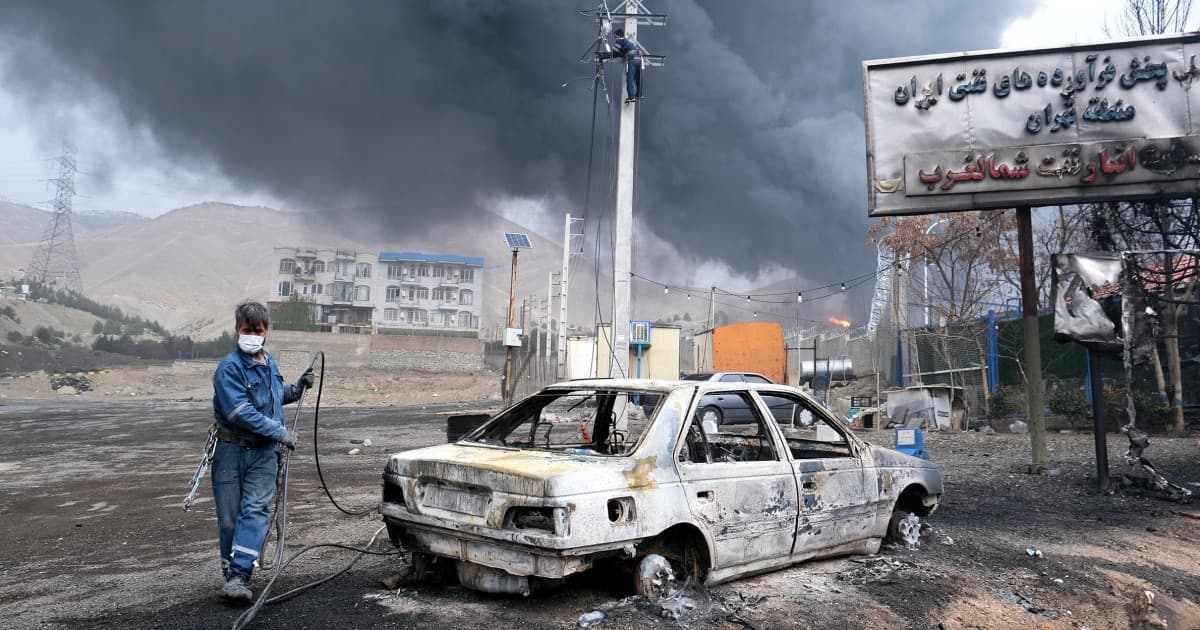
Israel Attacks Iranian Oil Depots
Key Takeaways
- Israel struck Iranian oil depots over the weekend
- Tehran struck back across the Middle East
- Oil prices surged past $100 per barrel amid intensified war with Iran
Causes of regional escalation
The immediate cause of the latest escalation is a series of recent strikes involving the U.S., Israel and Iran.
“Live updates: Oil prices soar past $100 per barrel; Iran celebrates new supreme leader Prices surged past $100 per barrel as the war with Iran intensified, with Israel hitting Iranian oil depots over the weekend and Tehran continuing to strike back across the Middle East”
The escalation is compounded by Tehran’s political transition.
Mojtaba Khamenei was selected as Iran’s new supreme leader and authorities held celebratory rallies.
The Middle East conflict "has sharply escalated" after recent U.S.-Israeli strikes on Iran, according to reporting.
The reporting links the leadership change and the strikes to the broader uptick in regional violence.
Israel-Iran strikes overview
Israeli forces struck multiple targets inside Iran, including oil depots and locations in Tehran, Isfahan and southern Iran.
The reporting described the attacks as part of a pattern of 'wide-ranging strikes' exchanged between Tehran and Jerusalem.
Reports specifically note Israeli attacks on oil depots and other installations, and that Israel 'reported new strikes on Tehran, Isfahan and southern Iran.'
Iran strikes and regional impact
In response, Iran launched missiles and drones across the region, including direct strikes on oil facilities.
“Live updates: Oil prices soar past $100 per barrel; Iran celebrates new supreme leader Prices surged past $100 per barrel as the war with Iran intensified, with Israel hitting Iranian oil depots over the weekend and Tehran continuing to strike back across the Middle East”
Arab officials described the actions as intended to raise oil prices and increase pressure for a ceasefire, intensifying the kinetic and economic dimensions of the confrontation.
Energy market impact
Global energy markets reacted sharply to the attacks and counter-attacks.
Crude oil rose to about $100 a barrel, up more than 60% over the past month and more than 45% in five days.
U.S. retail gasoline climbed to roughly $3.48/gal.
A bottleneck in the Strait of Hormuz forced regional producers to curb output, underlining the conflict’s immediate economic impact.
Regional security and fallout
NATO/Turkey shot down an Iranian ballistic missile that entered Turkish airspace, and debris fell in Gaziantep.
“Live updates: Oil prices soar past $100 per barrel; Iran celebrates new supreme leader Prices surged past $100 per barrel as the war with Iran intensified, with Israel hitting Iranian oil depots over the weekend and Tehran continuing to strike back across the Middle East”
The U.S. ordered non‑emergency staff and families to leave its consulate in Adana.
Missile fire from Iran killed at least two people in central Israel.
India confirmed two Indian merchant mariners dead and one missing.
Six Democratic U.S. senators called for a full, impartial review after an attack on a school in southern Iran that reportedly killed many children and that some analyses suggest may have involved a U.S. Tomahawk missile.
Iran’s nationwide internet blackout exceeded nine days, with connectivity at about 1% of normal.
More on Iran
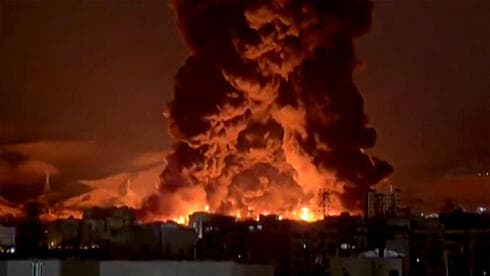
US obliterates military targets on Iran’s Kharg Island, Trump warns
13 sources compared

US Deploys About 2,500 Marines to Middle East After Iran Attacks Gulf Shipping
33 sources compared
FBI Warns of Iranian Drone Plot Based on Unverified Tip; California Says No Credible Threat
10 sources compared

White House Demands ABC Retract Report Claiming Iran Sought To Launch Drone Attacks On California
11 sources compared