
Israel Attacks Iran's South Pars Gas Field, Oil Prices Jump
Key Takeaways
- Israeli strike hit Iran's South Pars gas field, escalating the US-Israel war against Iran.
- Brent crude rose about 5% to roughly $109-112 per barrel.
- Iran blamed Israel and signaled retaliation against regional energy infrastructure.
Gas Field Attack
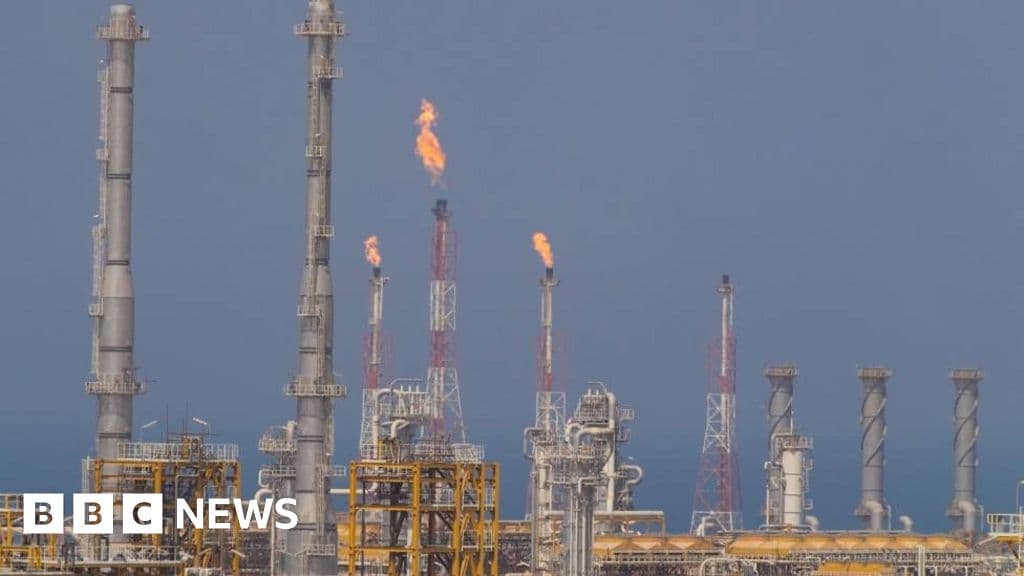
Israel launched a significant escalation in the U.S.-Israeli war against Iran by striking the massive South Pars gas field.
“March 19, 2026 06:25 am Oil prices leapt to nearly $110 a barrel after Iranian media reported an airstrike hitting a facility on the world’s largest natural gas field”
The Israeli strike targeted facilities in Asaluyeh, representing the first direct attack on Iran's upstream production since the conflict began.

The South Pars field is the world's largest natural gas deposit shared between Iran and Qatar, reaching record output of 730 million cubic meters per day in 2025.
Qatar blamed Israel for the 'dangerous and irresponsible' attack while the UAE's Foreign Ministry denounced it as 'a dangerous escalation.'
This attack comes amid Israel's sustained campaign against Iranian leadership, which has killed multiple top officials in recent days.
Regional Retaliation
Iran responded swiftly to the Israeli attack by unleashing missile strikes against multiple Gulf energy facilities and Israel itself.
Iranian forces attacked Qatar's massive Ras Laffan LNG facility, causing extensive damage and fires while also targeting Saudi Arabia's oil-rich Eastern Province.
The attacks extended to Kuwait, Bahrain, and the United Arab Emirates as part of Iran's regional retaliation strategy.
Iran's Islamic Revolutionary Guard Corps warned major energy assets across the Gulf could become 'legitimate targets.'
Iran published a list of potential sites including refineries and petrochemical complexes in Qatar and Saudi Arabia.
This coordinated retaliation reflects Iran's strategic approach of targeting energy infrastructure to drive up global oil prices.
Price Surge
The escalating conflict triggered a dramatic surge in global energy prices with Brent crude soaring 5% to $108.66 per barrel.
“Oil crosses $110 a barrel after gas field strike Oil prices rose above $110 (£82”
U.S. West Texas Intermediate crude jumped 2.5% to $98.65, creating the largest discount between the two benchmarks since May 2019.
European natural gas prices surged 6% amid fears of prolonged supply disruptions.
U.S. natural gas futures climbed 6.3% to $3.26 per metric million British thermal unit.
The price of Brent crude is now up close to 50% since the start of the war on February 28.
Diesel prices in the U.S. have already risen above $5 a gallon for the first time since the 2022 inflation surge.
This unprecedented price spike reflects growing market anxiety about a potential broader supply shock.
Global Market Impact
The conflict's economic fallout is prompting strategic shifts in global energy markets.
The Trump administration eased sanctions on Venezuela to boost oil supplies amid the crisis.
The Treasury Department announced U.S. companies can now do business with Venezuela's state-owned oil and gas company.
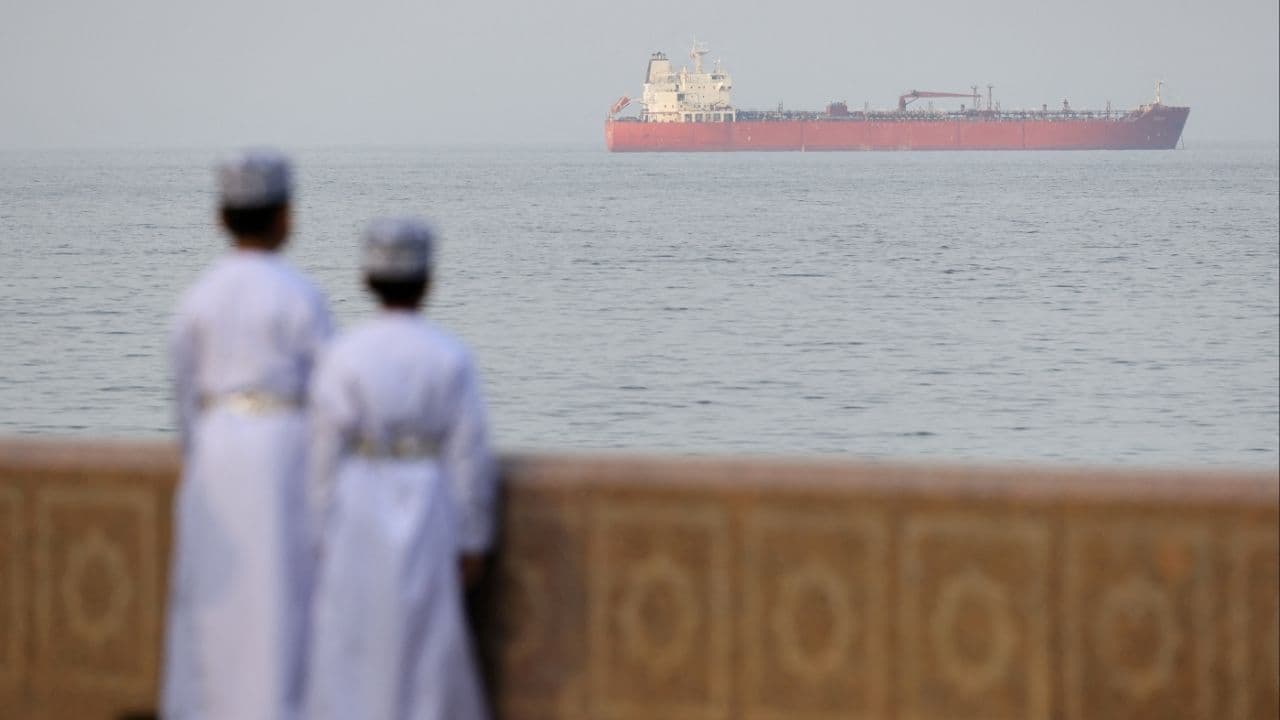
Shipping through the strategically critical Strait of Hormuz has largely stalled, with only 90 ships having passed since the war began.
The disruptions severely impact the flow of one-fifth of the world's oil through this vital waterway.
Iran has effectively blocked the waterway to U.S. and allied vessels while insisting it remains open to other nations.
Prolonged disruptions are affecting global supply chains with major producers cutting output significantly.
Turkey, which relies on Iran for over 10% of its gas supply, is being forced to seek additional spot LNG cargoes.
Human Cost
The human cost of the escalating conflict extends beyond immediate military strikes with first fatalities reported in the occupied West Bank.
“Oil and natural gas markets surged after Iran signaled it could retaliate against key regional energy infrastructure following reported strikes on its upstream assets”
The Palestinian Red Crescent confirmed at least four people were killed Wednesday in Beit Awa as Iran fired missiles toward Israel.
At least six others were injured in the West Bank incident.
It remains unclear whether deaths resulted from direct strikes or missile interception debris.
Two people were also killed near Tel Aviv from Iranian attacks.
Missile debris has damaged homes and businesses throughout the region.
The conflict's expansion into targeting civilian infrastructure underscores growing humanitarian dimensions.
The war has evolved from Israeli strikes on Iranian leadership to a broader regional conflict with severe economic and human consequences.
More on Iran

Israel strikes Iran's Pars gas field as Tehran vows revenge
14 sources compared
Trump threatens to blow up South Pars gas field if Iran attacks Qatar again
10 sources compared
UAE Halts Habshan Gas Facility Operations After Debris From Intercepted Missiles
10 sources compared

Iran Threatens Gulf Energy Facilities After Israel Strikes South Pars Gas Field
11 sources compared