Full Analysis Summary
Rafah crossing security changes
Israeli authorities have allowed an armed militia to help screen Palestinians entering and leaving Gaza at the Rafah land crossing with Egypt, according to the Hebrew Broadcasting Authority as reported by Roya News.
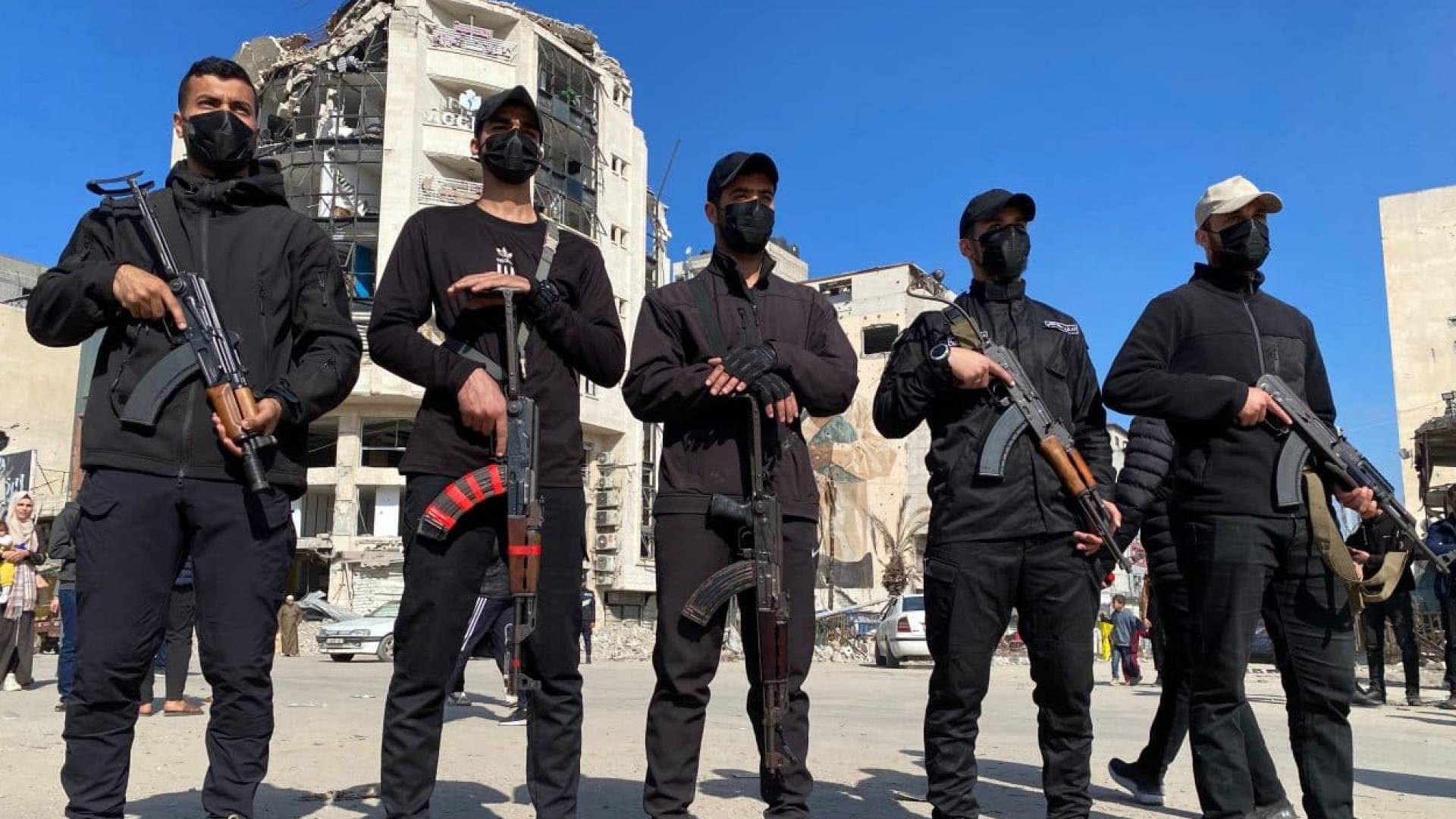
The broadcaster said members of a group led by Yasser Abu Shabab were permitted to take part in inspections and published a photo showing militia leader Ghassan Al‑Dahini with armed members on the Palestinian side, adding that the militia’s presence is in an area under Israeli control and appears to be with Israeli approval.
Israel reopened the Palestinian side of the Rafah crossing on Feb. 2 after occupying it since May 2024, but the reopening has been extremely limited and subject to tight movement restrictions.
Coverage Differences
Narrative Framing
Roya News (West Asian) frames the development as a concrete, recent authorization—reporting the Hebrew Broadcasting Authority’s account and a published photo showing Ghassan Al‑Dahini operating on the Palestinian side—while Al‑Jazeera Net (also West Asian) places such authorizations in broader context, reporting that Israeli forces have used local militias for tactical tasks and that Prime Minister Netanyahu acknowledged arming them. Roya reports the immediate operational detail and photo; Al‑Jazeera reports systemic use and political acknowledgement.
Militia leadership ambiguity at Rafah
A photo published by Roya News showing armed men on the Palestinian side raises immediate questions about who controls Rafah.
Roya identifies Ghassan Al-Dahini as the militia leader in the image and also states the group was led by Yasser Abu Shabab.
Al-Jazeera Net adds that Abu Shabab was the founder and former leader and that he was shot during clan battles in Gaza last December and died, citing Israeli media and tribal statements.
This creates ambiguity because Roya shows Al-Dahini operating on the ground with apparent Israeli approval while Al-Jazeera portrays Abu Shabab as having been killed and thus a former leader.
Coverage Differences
Leader Identification
Roya News reports a photo showing "militia leader Ghassan Al‑Dahini" on the Palestinian side and states the broadcaster said the group was led by Yasser Abu Shabab; Al‑Jazeera Net reports that Yasser Abu Shabab was the former leader and founder who was shot and died last December, introducing a factual discrepancy or timeline difference between who is presented as leading on the ground and who is described as the group's founder.
Militia use at Rafah
Al-Jazeera Net places the Rafah authorization within a pattern of Israeli forces using local militias for narrow tactical tasks such as pursuit, arrests, and searches for Hamas fighters in tunnels or rubble.
The outlet also notes that Netanyahu publicly acknowledged arming such militias last June.
Roya News emphasizes the specific operational authorization at Rafah and reports the physical presence of armed militia members in an area under Israeli control.
Together, these sources indicate both an immediate operational change at Rafah and a longer-term policy of arming and deploying local militias for ground tasks inside Gaza.
Coverage Differences
Narrative Framing
Al‑Jazeera Net frames the story as part of an established Israeli tactic—"using local militias" for arrests and searches—and cites Netanyahu's acknowledgement, while Roya News concentrates on the discrete action at Rafah (photo, inspections, limited reopening). Al‑Jazeera offers policy and tactical context; Roya emphasizes the specific authorization and image evidence of militia presence on the Palestinian side under Israeli control.
Militia roles at Rafah
The authorization raises immediate human-security concerns.
Roya News highlights that the area is under Israeli control and that the crossing's reopening remains tightly restricted.
Al-Jazeera notes that militias are being used for pursuit and arrests, which raises risks of arbitrary detentions and abuses when armed non-state actors are empowered at checkpoints.
Both outlets show Israel actively enabling militia roles at Rafah, with Roya reporting approval and image evidence and Al-Jazeera citing policy acknowledgement from Netanyahu.
Both sources also leave unclear the chain of command, oversight, and legal accountability for the militias' actions, an ambiguity they document in different ways.
Coverage Differences
Missed Information
Both outlets document Israeli authorization or arming of militias but omit precise details about command, oversight, and legal accountability. Roya News reports the militia appears to be operating "in an area under Israeli control and appears to be with Israeli approval" and notes restricted reopening; Al‑Jazeera Net reports Netanyahu's acknowledgement of arming militias and their tactical uses, but neither source provides a clear chain of command or legal arrangement for how such militias are supervised at Rafah.