Israel Bars Most West Bank Palestinians, Allows Tens of Thousands to Pray at Al-Aqsa Under Heavy Occupation Restrictions

Israel Bars Most West Bank Palestinians, Allows Tens of Thousands to Pray at Al-Aqsa Under Heavy Occupation Restrictions

20 February, 202622 sources compared
War on Gaza

Key Points from 22 News Sources

  1. 1

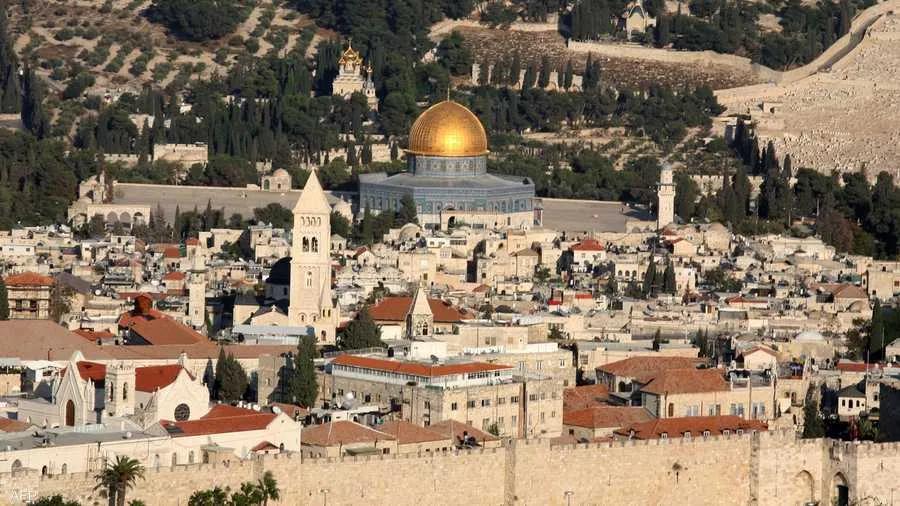
    Israel allowed only 10,000 West Bank Palestinians to enter Al‑Aqsa compound.

  2. 2

    About 80,000 Palestinians attended the first Friday Ramadan prayers at Al‑Aqsa.
  3. 3

    Heavy Israeli security and checkpoints blocked or turned back many West Bank worshippers.

Full Analysis Summary

Al‑Aqsa access restrictions

Israel sharply limited access for West Bank Palestinians to Jerusalem's Al‑Aqsa Mosque on the first Friday of Ramadan.

It imposed a permit regime and capped entry from the occupied West Bank at 10,000 people.

Large numbers of police and troops were deployed.

Thousands were turned back at checkpoints such as Qalandiya, and only a small fraction had crossed by morning.

Coverage Differences

Attendance vs access

Some sources report large overall attendance at Al‑Aqsa while also documenting that most West Bank permit-holders were blocked at checkpoints: Al Jazeera and Waqf figures say tens of thousands prayed across the compound, but Egyptian and Israeli accounts say only about 2,000 West Bank residents had crossed at Qalandiya by morning and officials enforced a 10,000 cap.

Permit enforcement

Reporting differs on how strictly permits were enforced: Middle East Eye and Clarion India stress that many people with previously issued permits were stopped or turned back at checkpoints, while some official statements framed the permit cap as an orderly quota.

Al‑Aqsa compound security

Israeli forces and police enforced tight security inside and around the compound.

Senior imams and Al‑Aqsa personnel were removed and at least one imam detained.

Far‑right minister Itamar Ben‑Gvir and senior police entered the site.

Medics and volunteer crews were barred or briefly detained.

Authorities introduced restrictive documentation and screening measures.

Coverage Differences

Provocative visits

Outlets differ on the framing of Israeli officials’ actions: The New Arab describes Ben‑Gvir’s entrance as provocative during what it calls the Gaza genocide; thenationalnews reports police saying prayers proceeded 'as usual' despite the deployments and notes removal and detention of imams, showing divergence between reporting on provocation and official claims of normalcy.

Medical crew obstruction

Several sources report medical crews and paramedics were obstructed or briefly detained, while Israeli security sources in other pieces stress use of non‑lethal crowd control; this shows a gap between reporting of repression and official denials about live fire.

West Bank repression context

The Ramadan access restrictions sit against a backdrop of escalating West Bank repression documented by rights groups and the UN.

UN OCHA and multiple outlets report more than 1,100 Palestinians killed in the West Bank since 2023 and over 10,000 forcibly displaced.

Palestinians and critics say Israel’s approval of a plan to designate large West Bank areas as 'state property' amounts to de facto annexation.

Coverage Differences

Scale of repression

Most sources cite UN OCHA casualty and displacement figures, but outlets vary in emphasis: Al Jazeera and UN‑focused pieces stress the humanitarian toll in the West Bank, United News of Bangladesh highlights settler attacks often occurring with Israeli forces present, and Saudi Gazette and Tempo focus on disrupted Ramadan traditions caused by the clampdown.

Annexation framing

Some outlets foreground Israel’s policy change as an act of de facto annexation and note international rebuke (United News of Bangladesh), whereas other reports concentrate on immediate security measures at religious sites (Los Angeles Times, Al Jazeera), showing different editorial focus.

Media coverage of Gaza

Some outlets explicitly characterise Israel’s campaign in Gaza with the strongest terms; The New Arab calls it 'Gaza genocide'.

Other outlets report the very high Palestinian death toll and describe international accusations of ethnic cleansing and large-scale civilian suffering, citing Gaza’s Health Ministry figures and UN statements in mainstream pieces.

Coverage Differences

Terminology

Sources differ sharply on labels: The New Arab uses the phrase 'Gaza genocide' directly; thenationalnews quotes a UN accusation of 'ethnic cleansing'; mainstream outlets such as Los Angeles Times and The Hill report Gaza Health Ministry casualty figures and describe a ceasefire that ended major operations but note frequent strikes continue, reflecting a range from explicit genocide claims to casualty reporting and diplomatic framing.

Casualty reporting

Mainstream outlets emphasize official casualty counts and ceasefire mechanics (Los Angeles Times, The Hill), while alternative and regional outlets foreground legal and moral labels such as 'genocide' or 'ethnic cleansing' (The New Arab, thenationalnews), producing markedly different tones about the same events.

Humanitarian and political fallout

The immediate humanitarian and political fallout is stark: aid pledges announced by the U.S. administration are described as a small fraction of what's needed to rebuild Gaza.

Rights groups warn the Al-Aqsa access measures and West Bank policy changes weaken Palestinian ties to East Jerusalem and compound civilian suffering.

Observers say the restrictions on worship, continued settler attacks, detentions of medics and the de facto annexation plan deepen displacement and isolation of Palestinians.

Coverage Differences

Aid vs need

Coverage varies in emphasis: Daily Times and Morning Star report that U.S. and allied pledges (about $7 billion) fall far short of an estimated $70 billion reconstruction need, and they note legal and procedural uncertainty about disbursing the funds; other outlets give more attention to the immediate local harms of prayer restrictions and settler attacks (Al Jazeera, Middle East Eye).

Humanitarian framing

Regional and alternative outlets foreground the human cost and describe state actions as part of broader dispossession (United News of Bangladesh, Middle East Eye), while some mainstream accounts balance casualty reporting with official statements about security or normalcy, producing divergent tones on culpability and urgency.

All 22 Sources Compared

Al Jazeera

Israel blocks Palestinians from attending Ramadan Friday prayers at Al-Aqsa

Read Original

Anadolu Ajansı

80,000 Palestinians attend 1st Friday prayers of Ramadan at Jerusalem’s Al-Aqsa Mosque

Read Original

Clarion India

Israel Restricts Palestinian Access to Al-Aqsa Mosque on First Friday of Ramadan

Read Original

Daily Times

Israel limits Palestinians' access to Al-Aqsa for Ramadan prayers

Read Original

Devdiscourse

Peaceful Prayers Amid Turmoil: Al-Aqsa and the Spirit of Ramadan

Read Original

EFE - Agencia de noticias

Ramadan prayers at Al-Aqsa draw 80,000 as Israeli restrictions limit access

Read Original

Egyptian Gazette

Israel limits Al-Aqsa entry on 1st Friday of Ramadan

Read Original

Free Malaysia Today

Tens of thousands join for Ramadan’s first Friday prayer in Jerusalem

Read Original

İlke Haber Ajansı

80,000 Palestinians perform first Friday Ramadan prayers at Al-Aqsa Mosque

Read Original

Los Angeles Times

Ramadan’s first Friday prayers are held at Jerusalem’s Al Aqsa Mosque

Read Original

Middle East Eye

Israel bans thousands of Palestinian from Al-Aqsa for first Ramadan prayers

Read Original

Middle East Monitor

Israel tightens entry restrictions to al-Aqsa on 1st Friday of Ramadan

Read Original

MillenniumPost

First Ramadan Friday prayers held at Al-Aqsa mosque since ceasefire

Read Original

Morning Star | The People’s Daily

Israel blocks Palestinians from Ramadan prayers at the Al-Aqsa Mosque

Read Original

Saudi Gazette

Israel curbs access to Al-Aqsa on first Friday of Ramadan

Read Original

Tempo.co English

Israel Tightens Al-Aqsa Mosque Entry Restrictions for First Ramadan Friday Prayer

Read Original

The Hill

First Ramadan Friday prayers held at Jerusalem’s Al-Aqsa mosque since ceasefire

Read Original

The New Arab

Israel restricts access to Al Aqsa for first Friday of Ramadan

Read Original

thenationalnews

Israeli restrictions ban thousands from taking part in first Ramadan Friday prayers at Al Aqsa

Read Original

United News of Bangladesh

Israel restricts Al-Aqsa access for Ramadan prayers

Read Original

VOI.id

Israel Limits Palestinian Pilgrims at Al-Aqsa During the First Friday Prayer of Ramadan

Read Original

شفق نيوز

About 80K Palestinians gather at Al-Aqsa despite Israeli restrictions

Read Original