Lebanon02 June, 20262 min read
Israel Begins Reducing Troops in Southern Lebanon From Five Brigades to Two
This article is an automated aggregation of coverage from news outlets. Our editorials offer in-depth analysis curated by the NewsCord team.
Israel reduces southern Lebanon deployment from five brigades to two. Reduction reported by Israeli and Lebanese media outlets.

Troops, talks, and the Litani
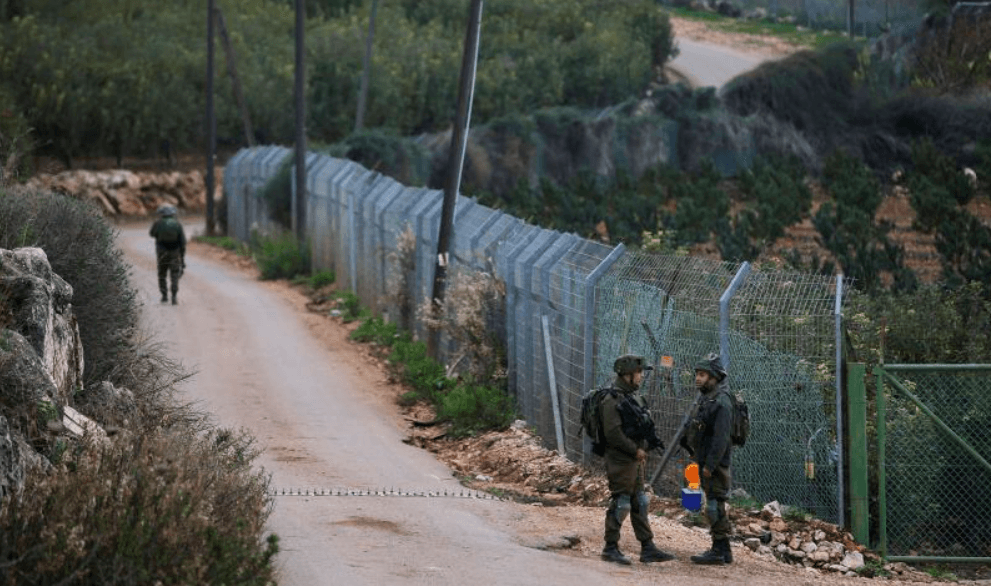
Israeli media said the Israeli army would begin in the coming days to reduce forces deployed in southern Lebanon as Israeli and Lebanese negotiating teams meet during the current week to determine areas cleared of Hezbollah elements for transfer to the Lebanese army. The Israeli Broadcasting Authority reported that the American administration wishes Israel to return its forces to the anti-armor line at a distance of about 8 kilometers from the border, while also quoting a knowledgeable source saying Israel will not withdraw from that line but may pull forces from areas it has recently controlled.
Lebanon Debate reported that Israel Defense Forces Radio said Israel would reduce the number of troops in southern Lebanon from five brigades to two. Africtelegraph said Israel’s ground operation against Hezbollah entered a new phase by expanding beyond the Litani River, with the crossing described as a military and symbolic rupture since United Nations Security Council Resolution 1701 adopted in 2006 marked the boundary beyond which no non-state armed force was supposed to deploy in Lebanon.

Threats, ceasefire, and responses
In parallel with the troop and negotiation talk, Les Echos reported that Donald Trump accused Iran of having shot down a U.S. helicopter over the Strait of Hormuz and promised a U.S. response. Les Echos also quoted Mohammad Bagher Ghalibaf warning: "We prefer the language of diplomacy, but we master other languages far better."
Vietnam.vn reported that the Times of Israel said Israeli ambassador to the United States Yechiel Leiter stated his country is "determined to respect the ceasefire agreement between Israel, Lebanon, and the United States". Vietnam.vn added that Israel reserves the right to respond to attacks and counter threats, while also citing that the Israeli army attacked Hezbollah targets in southern Lebanon and in the Bekaa Valley during the night of June 18 to 19.
What’s at risk next
Vietnam.vn said Lebanese Ministry of Health statistics recorded at least 18 people killed and 33 wounded during Israeli airstrikes targeting residential areas in southern Lebanon, and that the attacks hindered relief operations and prevented the evacuation of victims in several affected areas. It also reported that the fighting between Israel and Hezbollah threatens to jeopardize the next round of negotiations between the United States and Iran, after a memorandum of understanding signed earlier this week.
Masrawy said Israeli security agencies advised the political leadership in Tel Aviv to raise the level of delegations participating in talks with Washington and accelerate contacts with the Lebanese government in order to isolate Hezbollah. Al-Manar TV Lebanon reported that Israeli media said the Israeli occupation army started reducing forces in South Lebanon in response to US orders, while also claiming that the Israeli army estimates Hezbollah reestablished a surveillance and intelligence-gathering network opposite the Blue Line and is conducting nighttime operations to identify senior field command positions and launch attacks.