Gaza Genocide02 December, 20252 min read
Israel Blocked UK-Funded Tents for Over a Year, Finally Allows 1,100 Into Gaza
This article is an automated aggregation of coverage from news outlets. Our editorials offer in-depth analysis curated by the NewsCord team.
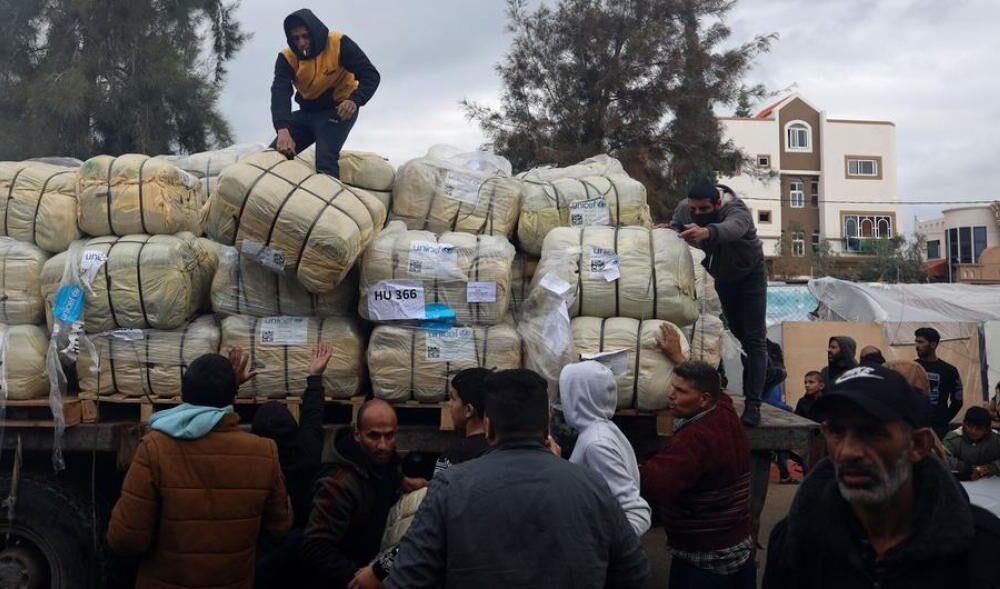
More than 1,100 UK-funded family tents finally entered Gaza after over a year of delays. Each tent is sized for a family of five, providing multi-room shelter for displaced civilians.

6 outlets told this the same way.
Outlets did split on Thousands March in London Calling for Britain to Stop Arming Israel and Impose Sanctions →
UK-funded tents enter Gaza
After prolonged delays, 1,100 UK-funded family tents have entered Gaza through the Kerem Shalom crossing to shelter displaced civilians, with further deliveries expected this week. Sources report the delivery was cleared after international pressure to expand humanitarian access. JFeed frames the hold-up as a year-long delay caused by access restrictions and bureaucratic hurdles.
“The Foreign Office announced that 1,100 UK-funded tents have finally reached Gaza after months of delays. The tents passed through the Kerem Shalom crossing on Tuesday to help people displaced by the war, with further deliveries expected later this week. The Foreign Office said the hold-up was cleared after international efforts to expand humanitarian access.”
The Independent and Arise describe months of delays before the tents passed through the crossing. The UK government and aid agencies present the arrival as vital winter shelter for thousands as temperatures fall.
Winter shelter aid delivery
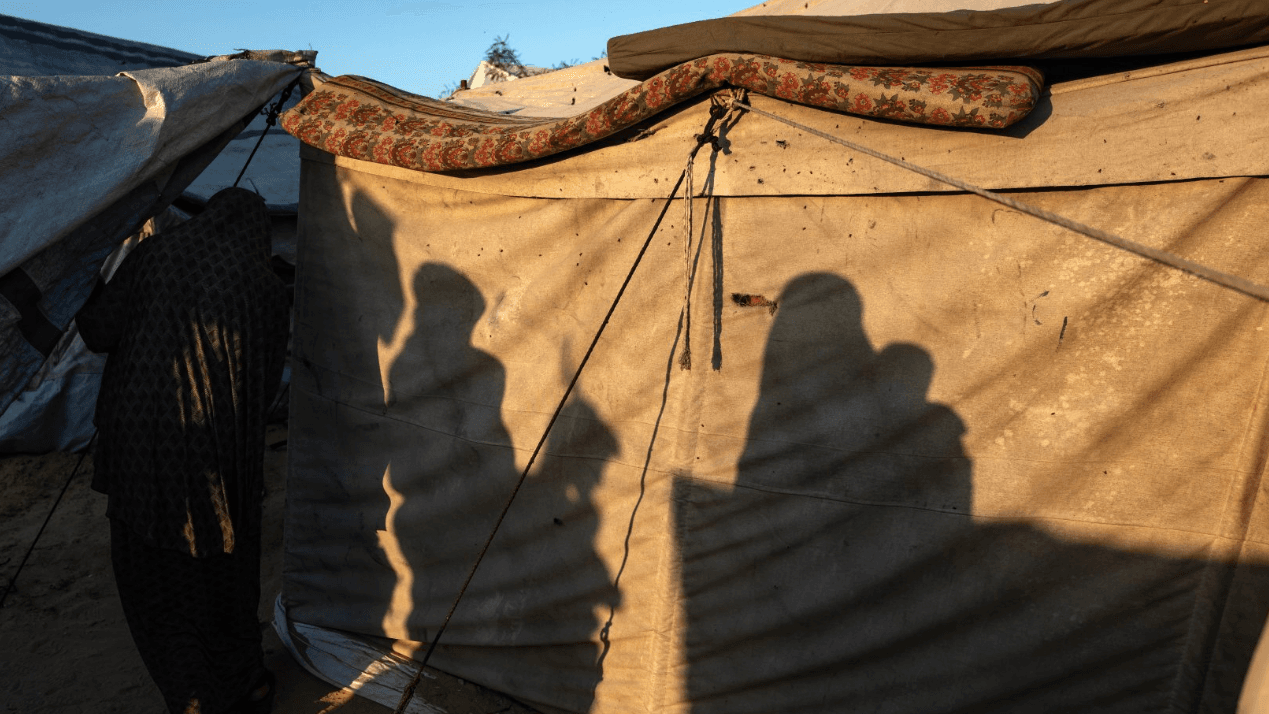
The tents are family-sized, built for roughly five people each, and are expected to protect about 12,000 people through the winter. GOV.UK says each tent includes a living area and three-bedroom compartments and frames the shipment as providing crucial shelter amid damaged infrastructure and ongoing fighting.
JFeed and Arise corroborate the estimated capacity and say the tents are only an initial response. UNICEF and UN officials warn the consignments are a first step amid a large-scale humanitarian crisis.
Aid delivery response
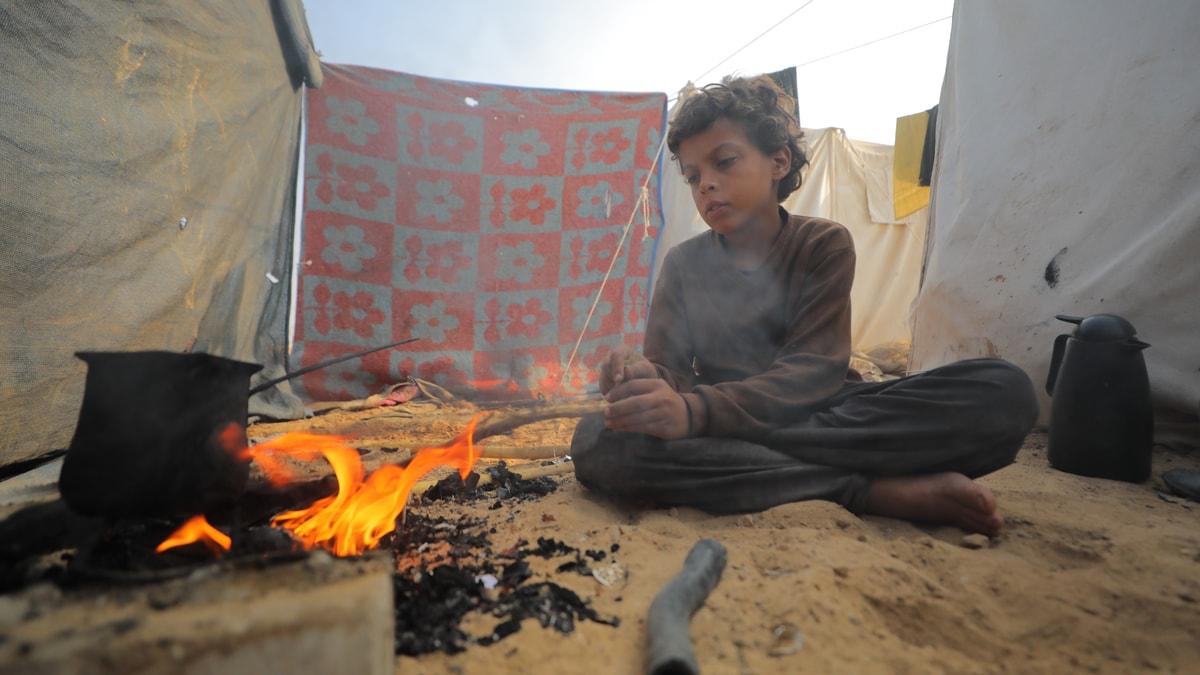
UK Foreign Secretary Yvette Cooper and UN and aid officials described the arrival of supplies as a lifeline but warned it was only a first step. GOV.UK quotes Cooper saying the situation 'remains dire' and calling the tents a 'lifeline', while she emphasized that damage and fighting have left many people sheltering in the open.
“Foreign Secretary Yvette Cooper warned the situation remains dire — damaged infrastructure and prolonged fighting have left many sheltering under broken roofs or in the open — and called the tents a lifeline that nonetheless represent only a first step.”
JFeed records Cooper calling the delivery a 'vital lifeline' and uses her words to criticise ongoing obstacles and urge Israel to open crossings. Arise reports UN and aid officials calling for all crossings to be opened and for an end to delays in delivering aid.
Reporting on blockade causes
Reporting diverges on who or what primarily caused the blockade and how long it lasted. JFeed explicitly blames access restrictions and bureaucratic hurdles, calls the delay "year-long", and urges Israel to open border crossings.
The Independent and Arise speak of "months of delays" and international pressure, while GOV.UK notes shipments "blocked by closed routes and delays" and an earlier consignment "stuck at the Jordan border" without committing to a single-cause narrative. These differences affect how strongly each source attributes responsibility to Israeli border policies.
Coverage of tent aid
All sources agree the tents are only an initial response and that much more aid and open crossings are needed. They diverge in tone and emphasis. GOV.UK stays on the official, procedural line, praising the tents but calling them a first step.
“UK officials expressed frustration about the protracted timeline while reiterating calls for improved access and adherence to international humanitarian law.”
JFeed and Arise press for stronger action, calling out blocked crossings and stressing the humanitarian scale. The Independent provides a straightforward account of the delivery and credits diplomatic pressure. Together they show unity on immediate assistance but disagreement over responsibility, duration, and urgency in language and attribution.