Gaza Genocide07 November, 20254 min read
Israel Blocks Over 100 Gaza Aid Requests Since Ceasefire, Starving Civilians Despite UN Warnings
This article is an automated aggregation of coverage from news outlets. Our editorials offer in-depth analysis curated by the NewsCord team.
Israel has rejected over 100 humanitarian aid requests to Gaza since October 10 ceasefire Only 37,000 metric tonnes of mostly food aid have entered Gaza since the ceasefire

7 outlets told this the same way.
Outlets did split on Thousands March in London Calling for Britain to Stop Arming Israel and Impose Sanctions →
Gaza Ceasefire and Aid Restrictions
After a U.S.-brokered ceasefire took effect on October 10, Israel continued bombing and shelling Gaza while blocking aid, worsening starvation that the United Nations has warned about. West Asian outlet PressTV reports that the UN says Israel has rejected 107 aid requests since the ceasefire, cutting off blankets, winter clothes, and water and sanitation materials. Western Alternative sources provide further evidence: Democracy Now! reports Israeli authorities denied 23 requests from nine aid groups to bring in millions of essential non-food items.
“The UN reported that despite a ceasefire between Israel and Hamas, aid access to the Gaza Strip remains severely restricted by Israel.”
Middle East Monitor reports the UN’s finding that access remains “severely restricted.” Asian outlet Hindustan Times notes the UN and partners delivered 37,000 metric tonnes of mostly food through only two open crossings, which the UN still considers far from sufficient.

Al Jazeera reports Israel is accused of committing acts amounting to genocide, ethnic cleansing, and starvation. It also says Israeli forces have killed over 220 Palestinians since the truce began, emphasizing that this is not peace but continued killing and deprivation enforced by Israel’s military control.
Aid Delivery and Blockade Impact
Claims of incoming aid do not erase Israel’s blockade. Hindustan Times cites 37,000 metric tonnes of food delivered via two crossings, and Middle East Monitor echoes 37,000 metric tons since the ceasefire. PressTV reports that despite the agreement allowing aid trucks, fewer than 30 trucks have actually been let in.
Doctors Without Borders received only 15 trucks in nearly four weeks, far below the agreed 600 per day. Israel keeps detonating buildings near the “yellow line,” endangering civilians and aid workers.
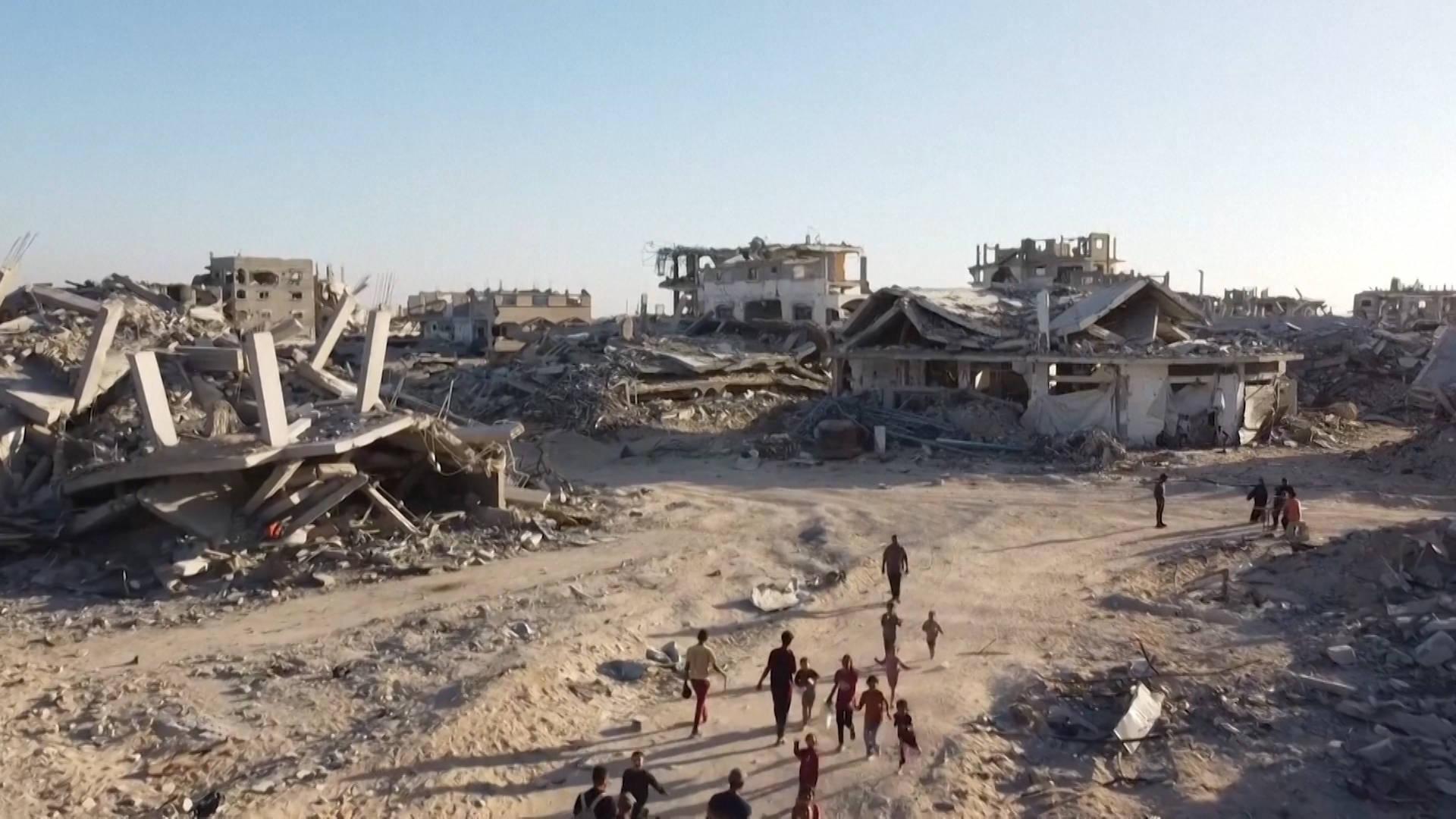
Democracy Now! adds that Israel blocked millions of non-food items like tents and blankets, which are essential for survival as winter deepens. The net effect is starvation and exposure imposed by Israeli authorities even while headline figures suggest aid is moving.
Impact of Gaza Siege on Survival
Israel’s siege is severely damaging Gaza’s capacity to sustain its own food supply. According to the UN, as cited by Middle East Monitor, only 13% of cropland remains undamaged and is largely inaccessible due to the Israeli military presence. Up to 89% of greenhouses, wells, and orchards have been destroyed.
“Only 13% of Gaza’s cropland is undamaged but largely inaccessible due to Israeli military presence… up to 89% of greenhouses, wells, and orchards destroyed.”
Hindustan Times highlights widespread hunger and reports that the World Food Programme aims to assist 1.6 million people but requires all crossings to be opened. Democracy Now! states that aid denials are preventing the delivery of tents, blankets, and other essential survival items, leaving families exposed to freezing conditions in deteriorating shelters.
PressTV reports that the UN has confirmed rejections of winter clothing and materials needed for water and sanitation, which increases the risks of disease and famine. This situation represents deliberate deprivation: Israel is not only blocking food supplies but also destroying agriculture and obstructing the restoration of basic shelter and water infrastructure.
Conflict and Civilian Impact
Israel’s military is killing Palestinians during the ceasefire and demolishing homes while being accused of genocide by rights advocates reported in regional media. Al Jazeera reports Israel has continued military operations, killing over 220 Palestinians and demolishing residential buildings east of the yellow line. PressTV states that since the ceasefire Israeli forces have killed at least 236 Palestinians and wounded 600, and that daily detonations endanger civilians and aid workers.
Democracy Now! documents heavy artillery shelling of civilian areas in Khan Younis and Gaza City, including farms and homes. Middle East Monitor puts the broader death toll since October 2023 at nearly 69,000, mostly women and children, with over 170,600 injured. These reports reinforce that Israel’s actions constitute mass killing that West Asian media report as potential genocide.

Gaza Conflict and Humanitarian Crisis
UN warnings are being ignored as Israel maintains blockades and continues military actions. Democracy Now! reports that Israel returned the remains of 15 Palestinians, with a total of 285 remains returned under the ceasefire. A U.S. proposal for a UN international stabilization force in Gaza has been mentioned, alongside UN chief António Guterres’s call for full international legitimacy.
“Hamas had released 20 surviving captives at the start of the truce… Of 28 deceased Israeli captives Hamas agreed to return, 22 bodies have been handed over so far… Hamas accuses Israel of delaying the return of bodies due to lack of proper equipment to search through rubble where thousands of Palestinians remain buried.”
Al Jazeera details parallel exchanges: a militant group released 20 captives alive and has returned 22 of 28 agreed bodies. The group accuses Israel of delaying returns due to a lack of equipment to search rubble where thousands are buried. PressTV cites the WHO, stating that over 16,500 Palestinians urgently need medical care unavailable in Gaza and calls for open evacuation routes.

Middle East Monitor reports that Israel has rejected over 100 aid requests since the ceasefire. Hindustan Times notes that NGO staff face denied entry into Gaza. Despite diplomatic gestures, Israel’s restrictions and military actions continue to starve civilians and block lifesaving care.