Syria18 November, 20253 min read
Israel Blocks Syria Peace Talks by Conditioning Withdrawal of Occupying Forces on Full Deal
This article is an automated aggregation of coverage from news outlets. Our editorials offer in-depth analysis curated by the NewsCord team.
Negotiations stalled as Israel refuses withdrawal absent a comprehensive peace treaty Syria demanded Israel immediately withdraw from territories captured after Assad's December 8, 2024 fall
7 outlets told this the same way.
Outlets did split on Asad Al-Shaibani Meets Saddam Haftar in Benghazi Over Syrian Consulate And Missing Syrians →
Israel-Syria diplomatic stalemate
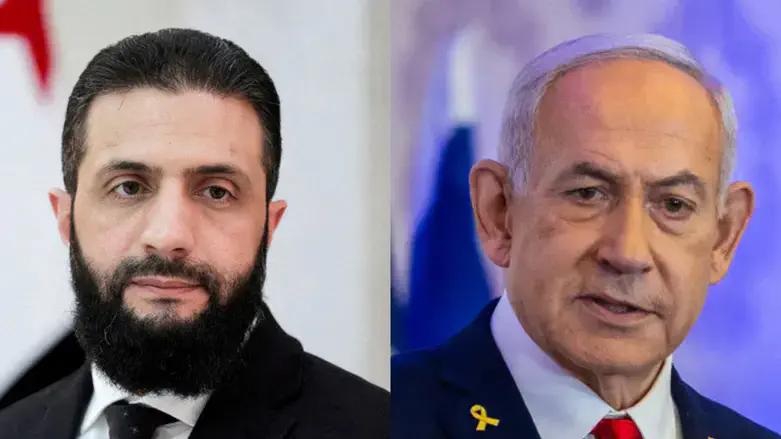
Talks between Israel and Syria have reached a stalemate, with Israel conditioning any withdrawal from territory it occupied late in 2024 on a comprehensive peace deal while Syria insists on immediate pullbacks to pre-occupation lines. Multiple outlets report the same core dispute, noting that Israel says it will only withdraw forces in return for a comprehensive peace agreement while Syria demands that troops pull back from areas seized after the fall of the Bashar al-Assad regime in December 2024. Al-Jazeera Net and Daily Sabah relay that Syria’s president demanded withdrawal from areas occupied after Bashar al-Assad’s fall on December 8, 2024, and that Israel rejected that demand without a signed comprehensive treaty.
“Israel and Syria are at a stalemate in talks over a security agreement, Israeli Broadcasting Authority sources say. Syria’s president demanded Israel withdraw from areas occupied after Bashar al-Assad’s fall on December 8, 2024, but Israel rejected that demand, saying it will not pull out unless a comprehensive peace treaty — not merely a security arrangement — is signed.”
Middle East Monitor summarized Israel’s position by saying withdrawal would occur only as part of a comprehensive peace agreement rather than under a limited security deal. This impasse frames current diplomacy, with Israel treating withdrawal as part of a full normalization package and Syrian officials insisting on immediate territorial reversals.

Golan Heights Incursions Update
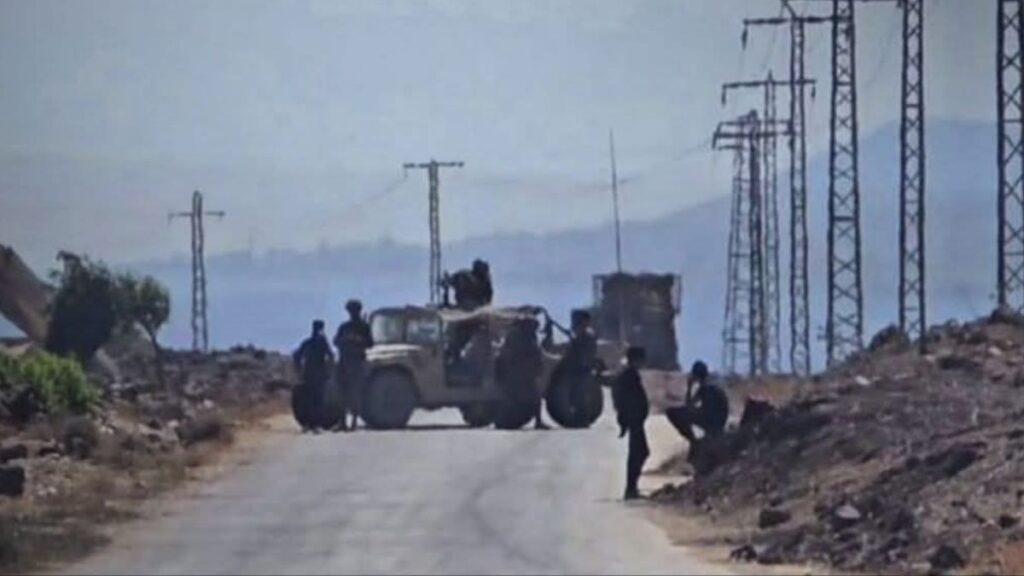
Reports name specific territories and incidents at the center of the dispute. West Asian and regional outlets describe Israeli advances into the Golan's demilitarized zone and tactical moves on Mount Hermon, while Syrian state media and Daily Sabah report recent incursions. Daily Sabah states Israel "expanded its control of the Golan Heights after late 2024 by occupying the demilitarized buffer zone."
SANA reported "troops entering the village of Bariqa in Quneitra and Israeli artillery strikes near the Tel Ahmar forest — though casualty or damage details were not immediately available." Palestinian News Network likewise reports Israel "strengthening and restoring military positions it took on Mount Hermon late last year," signaling preparations for a sustained presence rather than a temporary policing arrangement.

U.S.-Syria-Israel talks
Sources describe diplomatic efforts and U.S. mediation in differing ways. Middle East Monitor reports that U.S.-brokered talks at last September's UN General Assembly collapsed at the last moment after disagreements between Syrian Foreign Minister Asaad al-Shaibani and Israeli Strategic Affairs Minister Ron Dermer. Palestinian News Network adds political-context speculation, saying Israeli media fear a U.S.–Syria rapprochement under President Trump and Syrian leader Ahmad al-Shar' could pressure Israel into accepting a U.S.-orchestrated field arrangement or a 'new calm' instead of the 1974 disengagement framework.
“US-brokered talks at last September’s UN General Assembly, which were expected to produce a security agreement, collapsed at the last moment after disagreements between Syrian Foreign Minister Asaad al-Shaibani and Israeli Strategic Affairs Minister Ron Dermer.”
Daily Sabah and Al-Jazeera Net cite Israeli public-broadcaster Kan and other Israeli sources as saying a full peace agreement with Damascus is not currently on the table. These reports underscore Israeli reluctance to convert a security pact into full normalization.
Media coverage of Syria talks
Different outlets convey divergent expectations about next steps and outcomes. Israel National News quotes Syrian President Ahmad al-Sharaa saying talks might yield near-term results and lead to further agreements, but he emphasized that normalization or a full peace deal is not currently being considered. Palestinian News Network reports Israeli preparations for long-term control and concerns about being forced into a "new calm."
Middle East Monitor highlights the breakdown of prior US-mediated efforts and Syria's insistence on returning to the "1974 disengagement lines," suggesting little immediate prospect for a limited security arrangement. These variations show some sources stressing cautious diplomatic openings while others warn of entrenched occupation and possible coerced compromises.
Ambiguities in Incident Reporting
The available reporting leaves important questions unresolved and highlights areas of ambiguity. Several outlets note that casualty or damage details from reported incursions were "not immediately available," and sources are a mix of state media, public broadcasters and unnamed officials, which complicates independent verification. Daily Sabah explicitly notes the lack of immediate casualty details after reporting SANA’s claim, while Al-Jazeera Net and other outlets stick to diplomatic framing without independent on-the-ground confirmation.
“Syrian state media SANA reported new Israeli incursions this week — troops entering the village of Bariqa in Quneitra and Israeli artillery strikes near the Tel Ahmar forest — though casualty or damage details were not immediately available.”
Palestinian News Network and Middle East Monitor add context about long-term presence or collapsed talks but cannot independently verify intentions. In short, the reporting consistently shows a stalled process conditioned by Israel on full-deal withdrawal, Syrian demands for immediate reversion, and unresolved factual gaps about recent incidents and the precise diplomatic offers on the table.