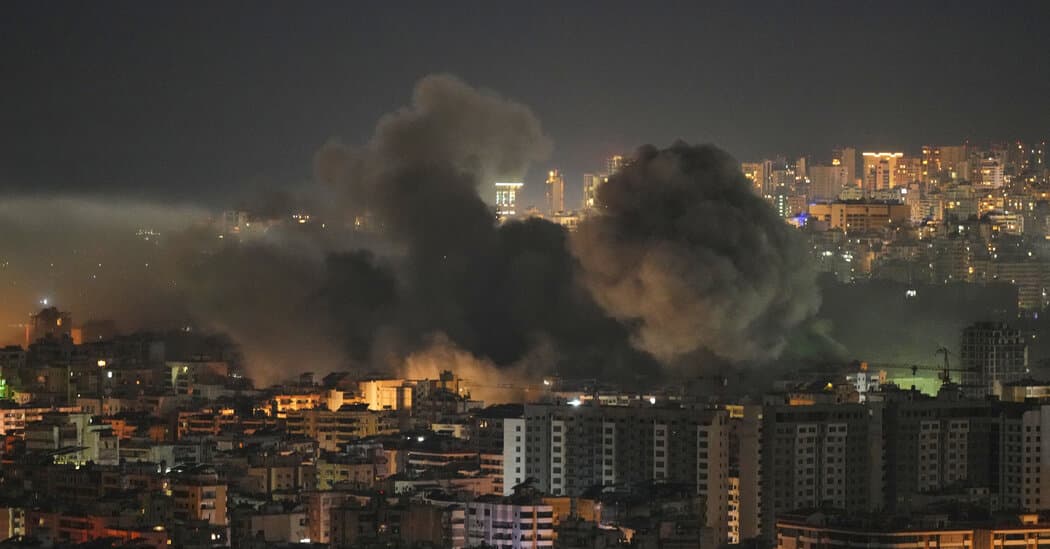
Israel Bombards Southern Beirut, Attacks Lebanon's Infrastructure, Escalates With Iran
March 2 Israel–Lebanon strikes
On March 2, widespread Israeli airstrikes struck Lebanon, hitting southern towns, the Bekaa and Beirut’s southern suburbs.
“en EnglishUnited States Deutsch English Español Français Italiano العربية All languages Afrikaans azərbaycan bosanski català Čeština Cymraeg Dansk Deutsch eesti EnglishUnited Kingdom EspañolEspaña EspañolLatinoamérica euskara Filipino FrançaisCanada FrançaisFrance Gaeilge galego Hrvatski Indonesia isiZulu íslenska Italiano Kiswahili latviešu lietuvių magyar Melayu Nederlands norsk o‘zbek polski PortuguêsBrasil PortuguêsPortugal română shqip Slovenčina slovenščina srpski (latinica) Suomi Svenska Tiếng Việt Türkçe Ελληνικά беларуская български кыргызча қазақ тілі македонски монгол Русский српски Українська ქართული հայերեն עברית اردو العربية فارسی አማርኛ नेपाली मराठी हिन्दी অসমীয়া বাংলা ਪੰਜਾਬੀ ગુજરાતી ଓଡ଼ିଆ தமிழ் తెలుగు ಕನ್ನಡ മലയാളം සිංහල ไทย ລາວ မြန်မာ ខ្មែរ 한국어 日本語 简体中文 繁體中文 繁體中文香港 Sign in Sign in”
The strikes followed Hezbollah launches of rockets and drones toward northern occupied Palestine, breaking a ceasefire that had been in place since November 27, 2024.
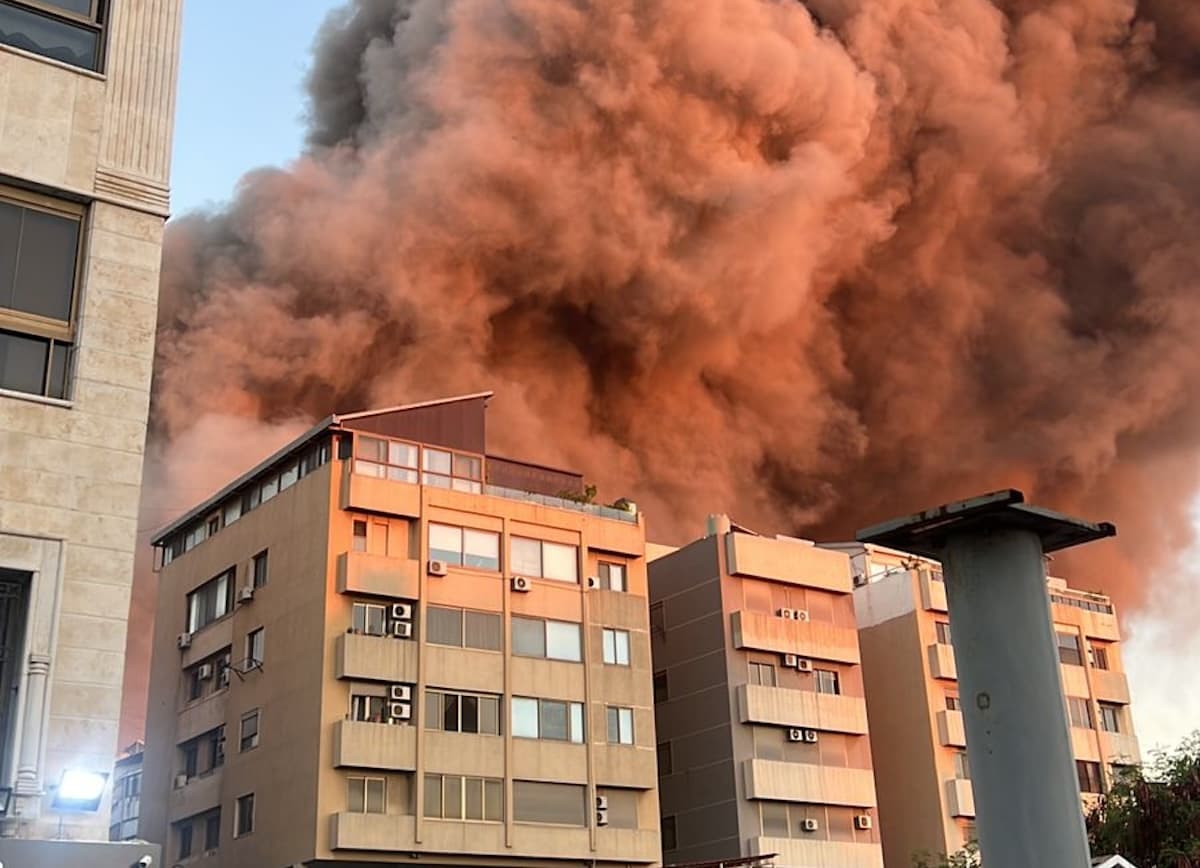
According to the reporting, Israel ordered full evacuations of areas south of the Litani River, all of Beirut’s southern suburbs and six Bekaa villages.
Those evacuations and the intensifying strikes displaced more than 1.2 million people across multiple regions.
Lebanon political escalation
The escalation deepened Lebanon's political fractures.
The Lebanese cabinet met urgently and declared Hezbollah's military actions 'unlawful'.
Prime Minister Nawaf Salam said the state would ban Hezbollah's military activity and asserted that decisions of war and peace rest with the Lebanese state.
Right‑wing parties accused Hezbollah of dragging Lebanon into a war 'for Iran'.
Hezbollah's parliamentary leader Muhammad Raad defended the attacks as a response to repeated Israeli violations and was reported killed in the initial strikes on Beirut's suburbs.
March escalation and casualties
Monitoring groups and officials described the March escalation as a rupture of an already fragile ceasefire that had seen extensive reported violations.
“War in theMiddle East Advertisement Supported by The strikes were the most intense bombardment since a cease-fire deal in late 2024”
Monitoring groups recorded over 15,000 breaches in 15 months and nearly 500 Lebanese deaths prior to the March fighting.
Initial casualty figures from the early March exchanges varied between sources, but officials reported that by March 6 at least 217 people had been killed and 798 wounded amid the bombardment.
Bombardment and domestic fallout
The bombardment produced widespread civilian terror and displacement.
It prompted operational and strategic shifts inside Lebanon.
Reporting highlighted scenes of residents fleeing Beirut’s southern suburbs and other targeted towns.
Reporting also noted that the Lebanese army withdrew from some southern border positions after government leaders rejected an army push to confront Israeli forces.
President Joseph Aoun ordered the pullback.
The crisis intensified domestic divisions over security, sovereignty and Hezbollah’s role.
March cross‑border escalation
Mondoweiss situates the March fighting within a wider pattern of cross‑border strikes and retaliations.
“On March 2, millions of people across Lebanon woke up to a barrage of Israeli airstrikes”
Hezbollah framed its March 2 attack as retaliation for the killing of Iran’s Supreme Leader and for repeated Israeli attacks on Lebanon.
The reportage frames Israel’s campaign as part of ongoing violations that had already been recorded at high rates.
Those accounts present the March escalation as both a tactical exchange and a significant political rupture with major humanitarian consequences.
Key Takeaways
- Israel carried out intense airstrikes on southern Beirut and across Lebanon
- Hezbollah fired rockets and drones into Israeli territory
- Israeli strikes damaged Lebanon's infrastructure, threatening mass civilian displacement
More on Lebanon

Unidentified Attacker Plants Explosive at U.S. Embassy Entrance in Oslo; Oslo Police Investigate Possible Terrorism
12 sources compared
NATO Shoots Down Second Iranian Ballistic Missile In Turkish Airspace
14 sources compared

Israel Escalates Attacks, Displaces More Than 500,000 in Lebanon
12 sources compared

Israel Escalates Attacks, Displaces More Than 500,000 in Lebanon
13 sources compared