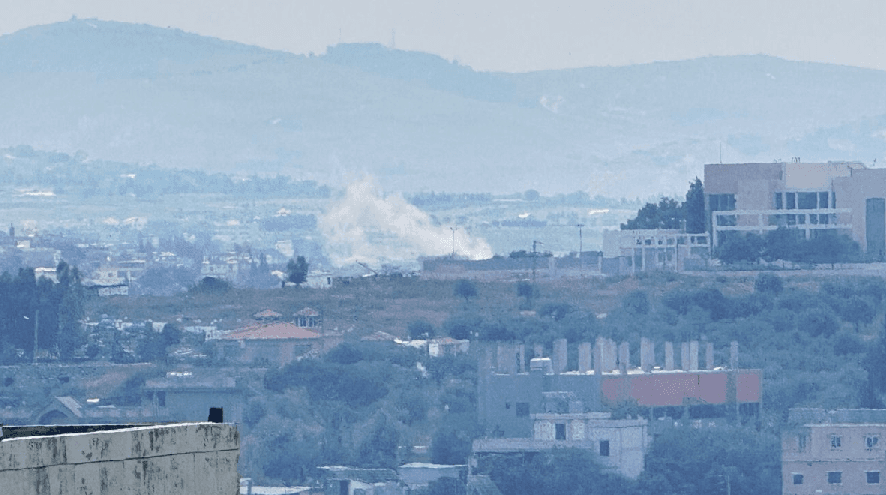
Israel Bombards Southern Lebanon After Ceasefire Renewal by Donald Trump
Key Takeaways
- Israel continued air strikes on southern Lebanon, intensifying campaign against Hezbollah.
- Ceasefire remained fragile; both sides accused of violations amid renewed fighting.
- Trump announced a three-week extension of the Lebanon-Israel ceasefire after Washington talks.
Ceasefire, then attacks
A fragile ceasefire concluded in Lebanon on 16 avril and renewed by Donald Trump on 23 for three weeks was “sérieusement compromis,” with Israel and Hezbollah accusing each other of violations.
“Toggle Play Lebanon's fragile ceasefire: 3 months later While officials describe the framework agreement between Lebanon and Israel as a roadmap toward ending hostilities, critics question whether Lebanon traded accountability for a ceasefire”
The Lebanese Ministry of Health announced the death on dimanche 26 avril of 14 people in Israeli bombardments in the Sud, while an Israeli soldier was killed and four others were “grièvement blessés” during Hezbollah attacks in the “zone jaune”.

RFI says the violence never truly stopped in the south, where the Israeli army reserved the right to target Hezbollah to prevent “planifiées, imminentes ou en cours” attacks, and it describes a degradation marked by intensified Israeli air raids and artillery fire.
RFI reports that dozens of localities were “pilonnées sans relâche” on both sides of the Litani, bringing the number of deaths to “à plus de 2 500” and the number of injured to “7 750”.
RFI adds that Hezbollah claimed rocket, “drones kamikazes” and other attacks against the Israeli army, which occupies “quelque 600 kilomètres carrés” of Lebanese territory.
Dispute over deal
Semafor reports that no one seems happy with the Israel-Lebanon ceasefire signed on Friday, noting that under the agreement the Lebanese army would gradually assume control while Hezbollah and other non-state armed groups would be dismantled.
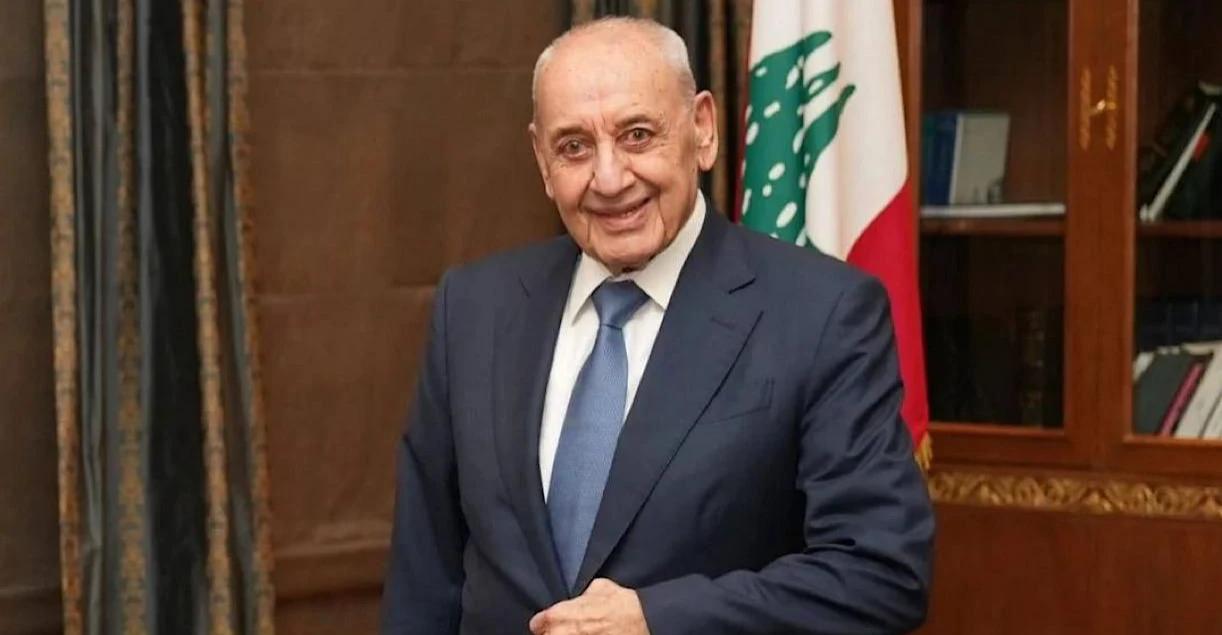
Semafor says the Lebanese parliament speaker, a Hezbollah ally, would not pass the deal and called it an “agreement of diktats,” while a hard-right Israeli minister called it a “big mistake.”
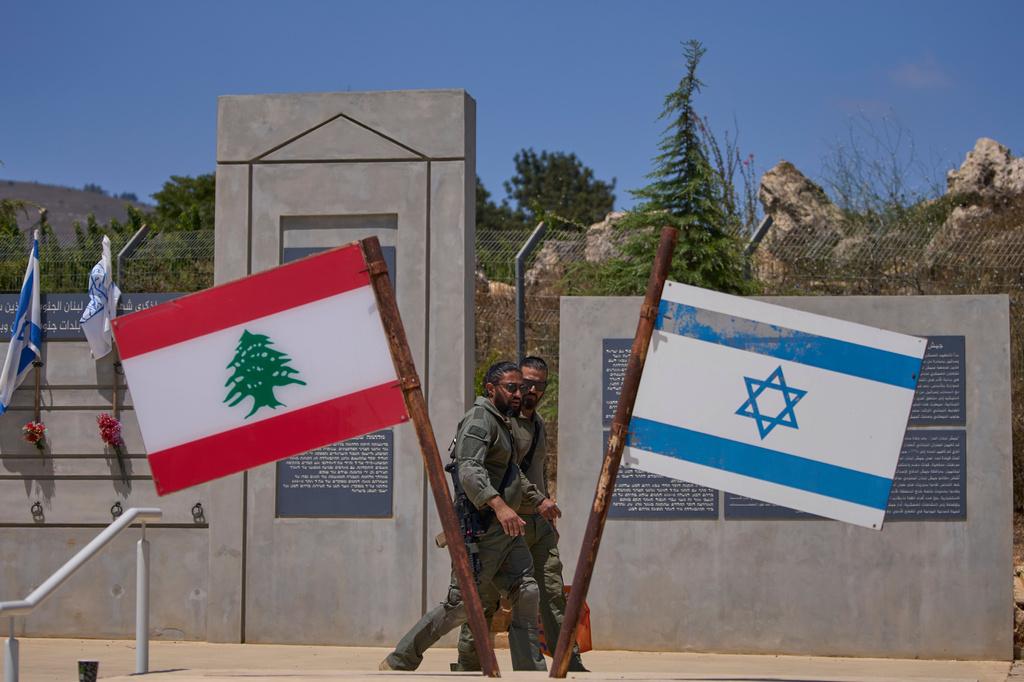
Al Jazeera describes the ceasefire as fragile three months later, saying the framework is presented as a roadmap toward ending hostilities while critics question whether Lebanon traded accountability for a ceasefire.
Al Jazeera’s video segment also points to continued Israeli airstrikes and “more than one million people displaced” during the three months of the fragile ceasefire.
Semafor adds that Israel-Lebanon fighting threatens to undermine the wider US-Iran truce, and it cites Radio Free Europe on Iran’s hard-line preachers leading protests against the deal.
What comes next
UN News says the cease-fire between Lebanon and Israel remained fragile on Monday and that Stéphane Dujarric urged all parties to “fully respect the cease-fire,” while noting UNIFIL’s “Blue Helmets” faced restrictions hindering their freedom of movement.
“After unprecedented negotiations in Washington, the first to be held directly between Israel and Lebanon in more than thirty years, the two sides reached a ceasefire expected to take effect overnight from Thursday, April 16 to Friday, April 17”
UN News reports that the UN and partners have provided “more than 5.7 million meals” since March 2, and it says the $308 million Flash Appeal launched mid-March has raised only $94 million, or 30 percent of the funds required.
UN News also records that on Saturday a French UN peacekeeper was killed and three others were wounded after a UNIFIL patrol came under fire in southern Lebanon, with the spokesperson saying “Staff Sergeant Florian Montorio, 39, leaves behind his partner and two daughters.”
In parallel, SWI swissinfo.ch, citing Reuters, says Israel intensified air strikes on southern Lebanon on Tuesday after Trump urged Netanyahu not to attack Beirut, and it reports that the Lebanese government said Israel would refrain from strikes threatened against the Beirut southern suburb controlled by Hezbollah.
SWI adds that Iran demanded the ceasefire in Lebanon be part of any broader agreement with the United States to end the three-month war, and it quotes Iran’s chief negotiator Mohammad Bagher Ghalibaf writing on X that “We will not be satisfied with merely stopping the negotiating process” and would enter “direct confrontation” if Israeli aggression continues.
More on Lebanon
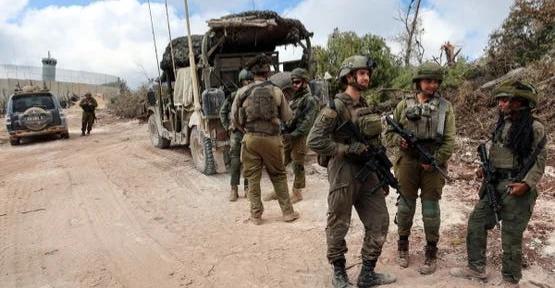
Benjamin Netanyahu Says Israeli Forces Will Remain in Southern Lebanon Until Hezbollah Threat Ends
11 sources compared
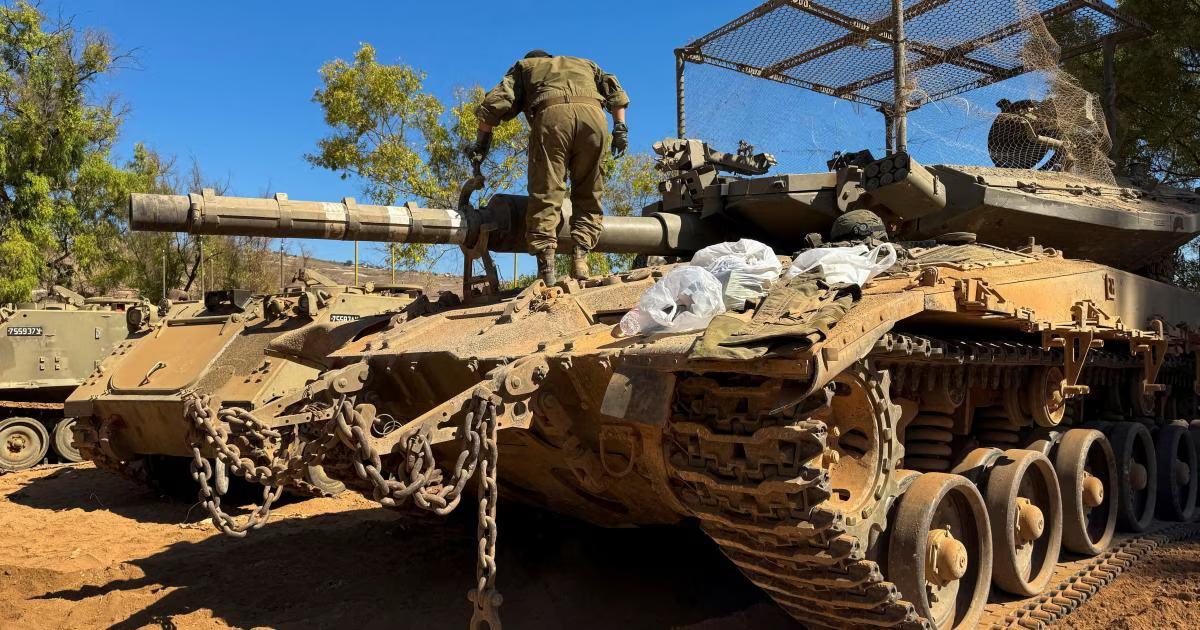
Lebanon and Israel Sign Security Annex Linking Hezbollah Disarmament to Israeli Withdrawal
22 sources compared
House Rejects War Powers Resolution As Israel-Lebanon Framework Ties Withdrawal to Hezbollah Disarmament
22 sources compared
Israeli Attacks Kill 4,247 in Lebanon, Injure 12,195 Since March 2
13 sources compared