
Israel Bombs Choueifat Suburb Near Beirut Airport, Killing At Least 14
Key Takeaways
- At least 14 people killed in strikes on Beirut region and southern Lebanon.
- Israel orders evacuation of southern Lebanon, designating it a combat zone.
- Prime Minister Netanyahu vows to intensify strikes against Hezbollah amid escalation.
Beirut strike and casualties
Israel’s air force struck the southern suburb of Beirut on Thursday afternoon, targeting the suburb of Choueifat, as videos showed white smoke billowing from a residential neighbourhood close to Beirut’s international airport.
The CBC reported that the strikes killed at least 14 people across southern Lebanon, while Lebanon’s Health Ministry and the state-run National News Agency said dozens of others were wounded.

In the same escalation, the BBC said the latest attacks killed at least 31 people, including several children, after Netanyahu vowed to step up military action against Hezbollah.
The BBC also said the Israeli military hit more than 100 Hezbollah infrastructure sites and fighters in what it described as one of the heaviest nights of bombardment since a US-brokered ceasefire began in mid-April.
In Washington-related diplomacy, the CBC said Lebanese and Israeli military officials were set to hold their first security talks on Friday in Washington, with the ceasefire extended despite intensifying attacks.
Threats, warnings, and voices
On Monday, Asharq Al-Awsat English said Israeli Prime Minister Benjamin Netanyahu told that Israel would intensify strikes against Lebanon’s Hezbollah, and Israel’s military said it was attacking Hezbollah infrastructure in Lebanon's eastern Bekaa Valley and other areas.
The same source quoted Finance Minister Bezalel Smotrich saying, "For every explosive drone, 10 buildings should fall in Beirut," while also quoting ultranationalist minister Itamar Ben Gvir saying, "It is time for the Prime Minister to bang on (President Donald) Trump's desk and tell him that we are returning to war in Lebanon."
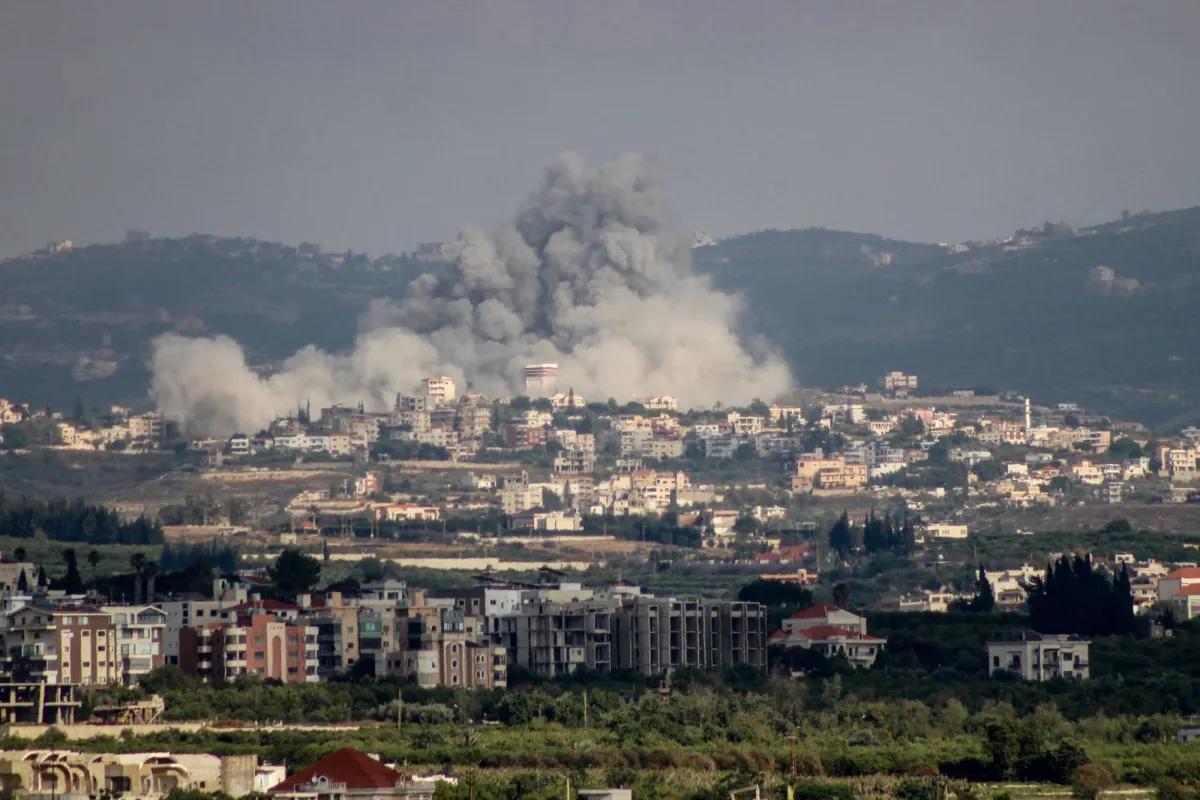
In parallel, the BBC reported that Netanyahu told a security cabinet meeting on Tuesday that Israel was "deepening our operation in Lebanon," adding that the IDF was "fortifying the security zone" to protect communities in northern Israel.
The BBC described panic in Beirut’s southern suburbs after Netanyahu’s remarks, with thousands of cars lined up as families tried to escape for safety.
The BBC also quoted a child, Mohammed, telling the broadcaster, "I heard the sound of the guys who were rescuing me. They took a long time to pull me out."
Ceasefire strain and next talks
Le Monde.fr said the ceasefire in Lebanon increasingly resembles a contained war, and it cited the World Health Organization saying at least 608 people have been killed in Lebanon in Israeli attacks since the ceasefire took effect on April 17.
“Israeli Prime Minister Benjamin Netanyahu said on Monday Israel would intensify strikes against Lebanon’s Hezbollah”
Le Monde.fr reported that on Tuesday, May 26, the Israeli army expanded its ground operations against Hezbollah beyond the "yellow line" and said it aimed to "eliminate direct threats to the citizens of Israel and its soldiers."
France 24 said Israel carried out synchronized airstrikes on Beirut and other areas, killing 303 people and injuring more than 1,100 according to Lebanon's Health Ministry on Thursday, and it said the escalation put the ceasefire with Iran to the test.
France 24 also reported that the Lebanese government declared a national day of mourning for the victims of the Israeli raids, while MSF said its teams were dealing with a mass influx of injured at Beirut's Rafik Hariri University Hospital.
Looking ahead, Le Monde.fr said new direct talks between Israel and Lebanon were scheduled for Friday in Washington between military delegations, followed by talks at a political level on June 2 and 3, with the Lebanese government planning to insist on a permanent ceasefire and withdrawal of Israeli forces.
More on Lebanon
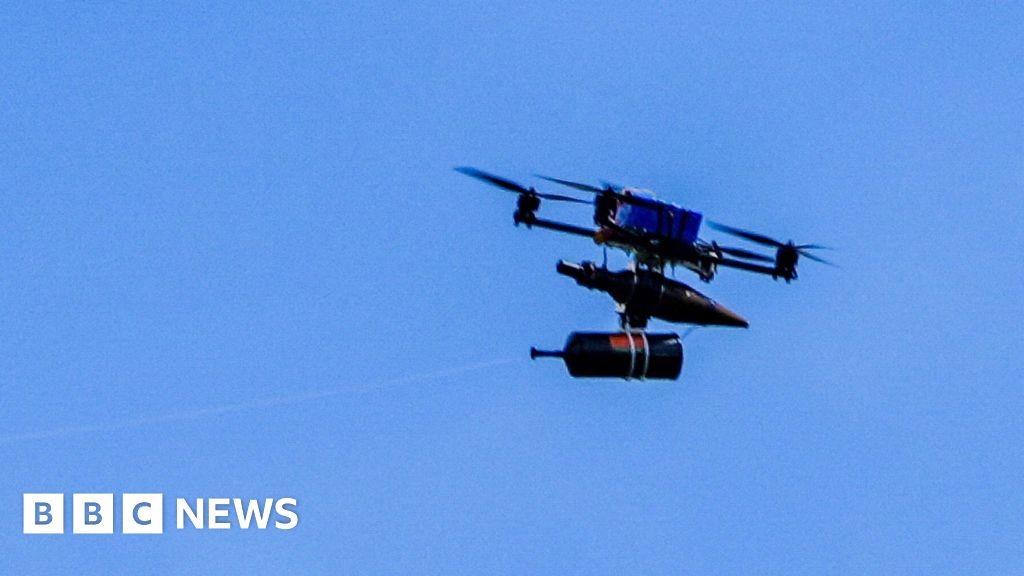
IDF Kills Sgt. Rotem Yanai as Israel Strikes Hezbollah Drone Infrastructure Near Tyre
10 sources compared
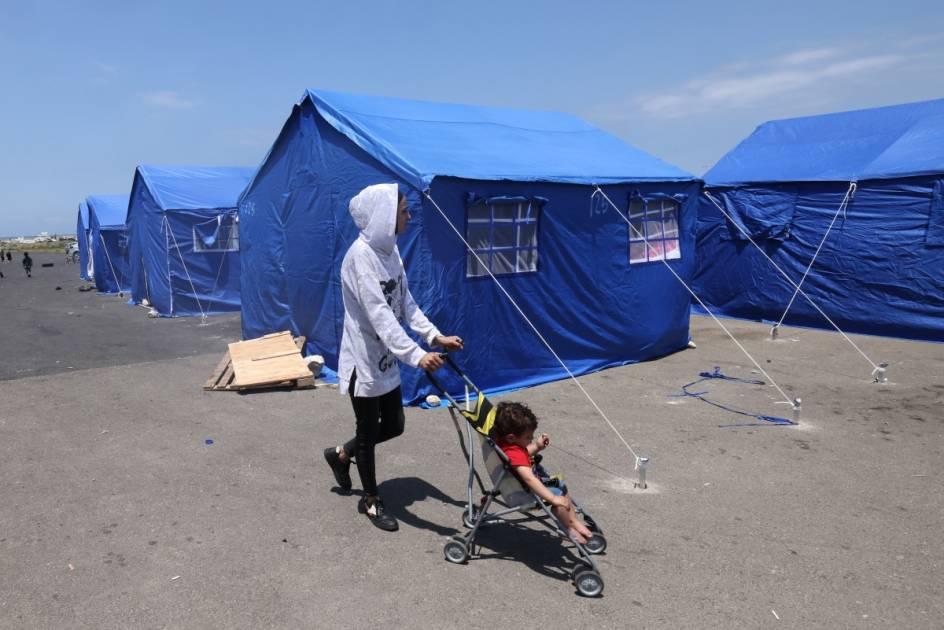
Israeli Strikes Displace Lebanon Families, Reshaping Eid al-Adha in Marj al-Zouhour and Kfarhamam
13 sources compared
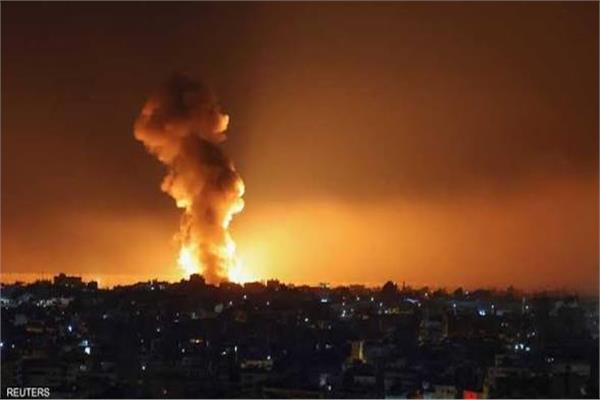
Israel Orders Evacuation From Southern Lebanon Combat Zones Ahead of Strikes on Hezbollah
12 sources compared
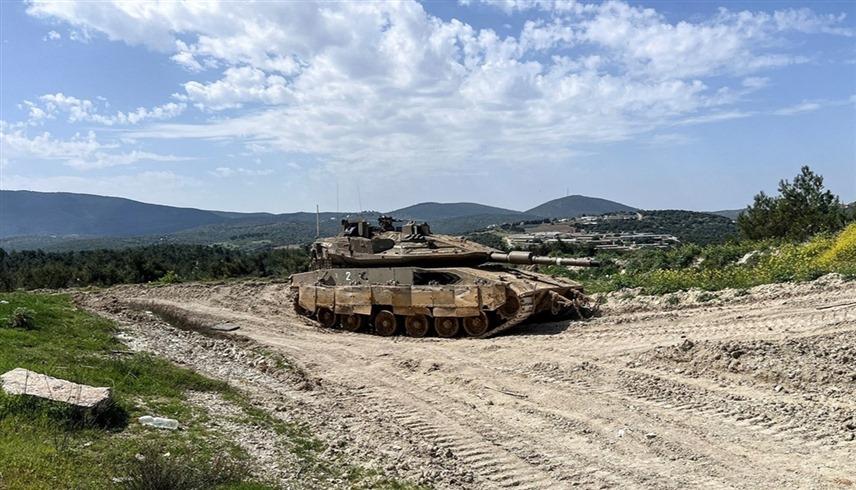
Israeli Forces Create “Yellow Line” Up To 10 Kilometers Into Southern Lebanon, Separating 55 Villages
11 sources compared