Full Analysis Summary
Israeli strikes in Lebanon
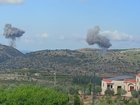
Israeli warplanes struck multiple sites across southern Lebanon and the West Bekaa on Friday.
The strikes hit hills, valleys and outskirts in locations including Ansar‑Zrariyyeh, Iqlim al‑Tuffah, the al‑Rihan heights, Zillaya, Jezzine and Zahrani, according to Lebanese state media and on‑the‑ground observers.
Israel said it targeted Hezbollah training facilities, rocket‑launching positions and a Radwan Force compound.
It said the raids aimed to pressure Hezbollah to disarm and to counter alleged violations of understandings with Lebanon.
The attacks reportedly reached roughly 30 km from the Israeli border and struck sites generally north of the Litani River.
Coverage Differences
Emphasis and factual detail
Naharnet (West Asian) emphasizes specific localities struck — naming Ansar‑Zrariyyeh, Iqlim al‑Tuffah, the al‑Rihan heights and Zillaya — and highlights the distance of some raids from the border and the link to last year’s ceasefire obligations about withdrawing north of the Litani River. Al Jazeera (West Asian) similarly lists areas hit — Jezzine and Zahrani and around Jabal al‑Rafie — but frames the strikes explicitly as targeting training facilities, a Radwan Force compound and rocket positions and notes Israel’s stated rationale of pressuring Hezbollah to disarm and counter alleged violations.
Strikes amid ceasefire talks
Both reports place the strikes in the context of ongoing ceasefire talks and last year's understandings.
Naharnet highlights Lebanon's view that the talks aim to stop the strikes and to end occupation of five hills in south Lebanon, and it cites a Lebanese government plan for the army to remove southern military infrastructure by year's end.
Israel, quoted in both reports, insists its campaign against Hezbollah is separate from the negotiations.
Al Jazeera's correspondent in Beirut described the ceasefire as "one-sided," noting near-daily Israeli attacks that typically avoid densely populated areas.
Coverage Differences
Narrative and political framing
Naharnet (West Asian) foregrounds the Lebanese government’s plans and the ceasefire terms tied to the Litani River withdrawal and dismantling southern infrastructure, reporting Lebanon’s framing that talks seek to halt strikes and remove contested hills. Al Jazeera (West Asian) foregrounds the reporter’s characterization of the ceasefire as “one‑sided” and highlights repeated strikes and the operational pattern of avoiding dense population centers; it also cites international scrutiny of civilian tolls. Israel’s official stance that the campaign is separate from negotiations is reported by both sources as Israel’s claim rather than presented as an established fact.
Civilian impact and reporting
Al Jazeera cites a November UN report saying at least 127 civilians, including children, have been killed in Lebanon since the ceasefire took effect in late 2024.
It warns the attacks could amount to "war crimes" and stresses international criticism of Israel's operations.
Naharnet's dispatch concentrates on military targets, their locations relative to the border and Litani obligations, and the stated aims of both sides, but does not foreground the UN casualty figures or the explicit "war crimes" warning in its short snippet.
Coverage Differences
Omission and tone
Al Jazeera (West Asian) includes international legal and humanitarian framing by quoting the UN report and the phrase “war crimes,” amplifying civilian casualty figures and showing a critical international perspective. Naharnet (West Asian) focuses more narrowly on the military geography and the ceasefire/negotiation status; it omits the UN casualty figures and ‘war crimes’ language in its brief report snippet. This is a difference of emphasis and the inclusion or omission of international human rights framing.
Israeli strikes and impacts
Multiple sources portray recurring Israeli strikes aimed at degrading Hezbollah's southern military capacity amid fraught negotiations.
Israeli statements say the strikes targeted Radwan Force training compounds and rocket positions.
Lebanese officials highlight sovereignty concerns and demand removal of infrastructure south of the Litani.
International bodies cited by Al Jazeera warn of civilian casualties and potential breaches of international law.
Naharnet and Al Jazeera overlap on core factual claims about where and what was hit but differ in tone, with Naharnet emphasizing tactical and negotiation dimensions while Al Jazeera adds humanitarian and legal context.
Where the sources conflict or omit details, available snippets leave ambiguity about the scale of damage, civilian harm, and the strikes' effects on ceasefire talks.
Coverage Differences
Synthesis and unresolved ambiguity
Both Naharnet (West Asian) and Al Jazeera (West Asian) report the strikes and Israel’s target claims, but Al Jazeera brings international criticism and casualty figures into the narrative while Naharnet centers on local geography and the political negotiation context; neither source provides full, independently verified casualty or damage assessments, leaving uncertainty about civilian harm and the strikes’ diplomatic consequences.