Full Analysis Summary
Air strikes in southern Lebanon
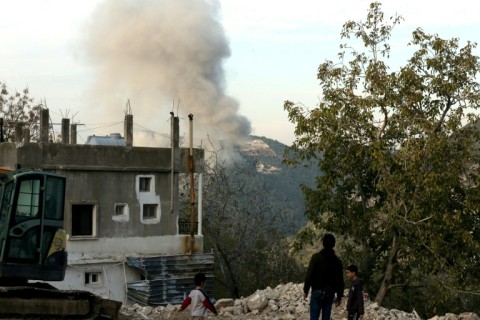
Israeli forces carried out air strikes on at least three southern Lebanese towns — Mahrouna, Jbaa and al‑Majadel — despite a ceasefire in place since November 2024.
A building in densely populated Jbaa was destroyed and nearby structures were heavily damaged, according to Lebanon’s National News Agency.
Israeli military messaging identified targets in al‑Majadel and Braashit and ordered residents to evacuate more than 300 metres.
The military said the sites were used by Hezbollah.
The attacks were described as the latest breaches of the ceasefire brokered after the October 2023 conflict.
This summary draws on reporting from multiple outlets covering the strikes and the military orders.
Coverage Differences
Focus and factual emphasis
Al Jazeera (West Asian) focuses on the immediate damage and the NNA report that a building in Jbaa was destroyed and nearby structures damaged, while also reporting the Israeli military’s evacuation orders. eNCA (African) frames the strikes as part of wider targeting of Hezbollah and places them alongside diplomatic developments — the first direct talks between Lebanese and Israeli civilian representatives — and mentions the temporary lull during Pope Leo XIV’s visit. DW (Western Mainstream) emphasises the civilian warning radius and longer historical context, noting ongoing troop presence in five areas of south Lebanon despite the year-old ceasefire. Each source reports Israeli claims (for example, that sites were used by Hezbollah) rather than independently verifying them.
Israeli strike communications
A spokesperson posted maps on X identifying specific buildings as targets and ordered evacuations.
Local reporting tied those messages to the later strikes.
Outlets reported that Israel said it was hitting Hezbollah positions and media recorded warnings urging residents to keep clear of marked buildings to avoid danger.
Reporting across sources treats the Israeli statements as the military's claims and does not present independent verification of Hezbollah activity at the struck sites.
Coverage Differences
Presentation of military claims vs. on-the-ground reporting
Al Jazeera (West Asian) presents the Israeli military’s map-posting and evacuation order with emphasis on the chronology linking the posts to the strike on al‑Majadel and the destruction in Jbaa, citing the NNA; eNCA (African) highlights that the army warned it would hit buildings in Mahrouna and Jbaa before saying it had begun strikes, framing it around the warning-then-strike sequence; DW (Western Mainstream) frames the action as a public safety warning — noting residents were warned to stay 300 metres away because remaining nearby “exposes you to danger.” All three outlets report Israel’s claims that sites were used by Hezbollah, but present them as reported statements rather than independently validated facts.
Ceasefire fragility and strikes
The strikes occurred against the backdrop of a ceasefire that many outlets describe as fragile.
The November 2024 agreement was intended to halt more than a year of fighting.
Media report Israel has continued limited operations and keeps troops in several strategic areas in the south.
Outlets characterise the recent raids as breaches or continuations of hostilities after the ceasefire, underscoring the truce's fragility even as diplomatic steps, including rare direct talks, proceed.
Coverage Differences
Ceasefire framing and historical context
Al Jazeera (West Asian) calls the attacks “the latest breaches of the ceasefire brokered after the October 2023 conflict,” emphasising the ceasefire’s violation. eNCA (African) similarly notes the raids came “despite a November 2024 ceasefire meant to end more than a year of fighting” and points out that Israel has continued airstrikes and kept troops in five strategic areas; DW (Western Mainstream) situates the strikes within a longer historical frame, noting a “year-old ceasefire” and observing that Lebanon and Israel have technically been at war since 1948, which gives the DW account a broader historical context. Each source reports continued Israeli operations but with different emphases: breach, continuation despite intent to end fighting, and long-term state of war.
Diplomatic and humanitarian coverage
Diplomatic and humanitarian threads run through the coverage.
eNCA says the raids occurred a day after the first direct talks in decades between Lebanese and Israeli civilian representatives.
eNCA also notes Pope Leo XIV’s recent visit temporarily reduced strikes and included appeals to end the fighting.
DW expands the context to regional diplomacy and aid debates, highlighting a UN Security Council delegation to Syria and UNRWA’s appeal about worsening conditions in Gaza and funding gaps.
Al Jazeera keeps the focus on the immediate military actions and reported damage in southern Lebanon.
Coverage Differences
Diplomatic and humanitarian context vs. operational focus
eNCA (African) places the strikes alongside diplomatic breakthroughs and the Pope’s visit — reporting the raids “a day after Lebanese and Israeli civilian representatives held their first direct talks in decades” and that "Pope Leo XIV’s visit... had temporarily reduced strikes" — emphasising political openings and temporary lulls. DW (Western Mainstream) brings in UN and humanitarian angles, noting a UN Security Council delegation to Syria and UNRWA’s appeal about regressed conditions in Gaza and funding shortfalls. Al Jazeera (West Asian) is more operationally focused, detailing the strikes, evacuation orders and the destruction reported in Jbaa. These differences show how source type influences whether coverage foregrounds immediate military events, diplomacy, or wider regional aid issues.
Reporting on Lebanon strikes
Taken together, the reporting shows a consistent core narrative: Israeli strikes hit southern Lebanese towns including Jbaa, with at least one residential building destroyed and residents warned to evacuate.
The outlets differ in emphasis: Al Jazeera foregrounds the reported destruction and breach of the ceasefire, eNCA highlights the timing alongside diplomatic moves and the Pope’s visit, and DW places the events within longer historical and humanitarian frames.
When sources rely on Israeli military statements—such as claims that Hezbollah used the targeted sites—they present those as reported claims rather than independently verified facts.
Overall coverage makes clear that the ceasefire’s fragility and the presence of Israeli troops in the south remain contested and ongoing issues.
Coverage Differences
Consistent facts vs. varied emphases
All three sources (Al Jazeera, eNCA, DW) agree on the basic facts reported — strikes in Mahrouna, Jbaa and al‑Majadel, evacuation warnings and that a building in Jbaa was destroyed — but each emphasises different implications: Al Jazeera (West Asian) stresses damage and breach of ceasefire; eNCA (African) links the strikes to diplomatic talks and the Pope’s visit; DW (Western Mainstream) highlights civilian warnings, troops in the south and broader UN/humanitarian concerns. Each source reports Israeli claims about Hezbollah involvement as the military’s statements rather than as independently confirmed findings.