Full Analysis Summary
Southern Gaza tent strike
Israeli forces struck a tent housing displaced Palestinians in the al-Mawasi area of southern Gaza, killing a five-year-old girl and her uncle and wounding four others, Gaza health officials and the Nasser Medical Complex said.
Gaza health authorities said the deaths bring the number of Palestinians killed by Israeli forces since a U.S.-brokered ceasefire took effect in October to at least 422.
Israel's military said it had targeted a Hamas fighter allegedly planning an imminent attack, but did not provide evidence or specify if that was the tent strike.
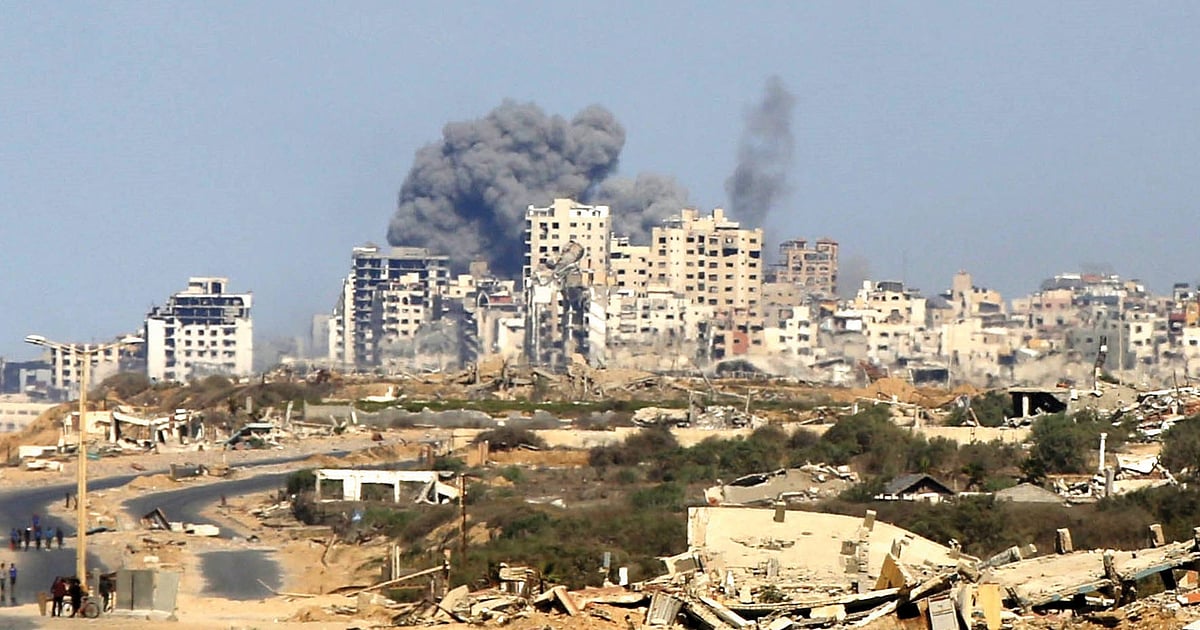
The attack came amid continuing Israeli artillery and helicopter strikes in southern Gaza despite the truce, with displaced families sheltering in tents that have been repeatedly hit.
Coverage Differences
Tone and emphasis
All three sources report the tent strike and deaths, but they emphasize different elements: Al Jazeera (West Asian) foregrounds humanitarian impact and the specific casualty toll since the ceasefire; National Herald (Asian) echoes the same casualty details while noting the fragile truce and political pressure over Rafah; AL-Monitor (Western Alternative) places the strike within a pattern of repeated air strikes and frames it as part of a broader Israeli offensive.
Attribution of motive/targeting
Al Jazeera and National Herald report Israel’s statement that it targeted a Hamas fighter but note Israel provided no evidence linking that claim to the tent strike; AL-Monitor stresses continued strikes Israel says target militants and infrastructure but includes broader casualty figures that contextualize the strikes differently.
Ceasefire and Gaza situation
The tent strike occurred against the backdrop of a U.S.-brokered phased ceasefire that included prisoner and captive exchanges and promises of increased aid.
Gaza authorities say the ceasefire’s first phase saw Hamas release the remaining living captives and return dozens of bodies.
Israel freed nearly 2,000 Palestinian detainees.
Yet near-daily Israeli artillery and helicopter attacks and restrictions on aid have persisted, and Gaza health authorities count at least 422 Palestinians killed since October.
Israeli media and some reports say Israel may reopen the Rafah crossing in both directions after international pressure.
However, the Palestinian side of Rafah has been occupied by the Israeli military since May 2024, complicating relief.
Coverage Differences
Detailing the ceasefire terms and control
AL-Monitor highlights deal specifics such as Israel retaining control of 53% of Gaza under the first phase, while Al Jazeera and National Herald emphasize phased exchanges, aid plans and the practical humanitarian consequences; National Herald also notes explicit political pressure from U.S. President Donald Trump in reports about Rafah reopening, which AL-Monitor frames as the 'Trump-brokered deal'.
Reporting on Rafah and occupation
Al Jazeera and National Herald state that the Palestinian side of Rafah was occupied by Israel in May 2024 and that closures hamper aid; National Herald frames potential reopening as politically driven and criticized by regional actors, while AL-Monitor emphasizes the broader deal context and retained Israeli control.
Humanitarian crisis in Gaza
Humanitarian responders in Gaza say Israeli restrictions, fuel shortages and damaged equipment have left rescue teams unable to safely remove hazards or respond fully.
Palestinian officials estimate about 88% of buildings in the enclave were damaged or destroyed, and most of Gaza's two million residents are living in tents, makeshift shelters or damaged buildings.
Separately, a previously damaged five-storey building collapsed in Maghazi camp, killing a 29-year-old father and his eight-year-old son, an outcome authorities say they cannot address safely because of equipment and fuel constraints.
Coverage Differences
Humanitarian focus vs. operational framing
Al Jazeera and National Herald emphasize humanitarian constraints, damage percentages and the collapse that killed a father and son, while AL-Monitor includes those humanitarian details but pairs them with a larger framing that Israel’s broader offensive has killed over 71,000 Palestinians — a much larger cumulative toll that shifts narrative scale.
Specific incident linkage
Al Jazeera explicitly links the inability to remove hazards to equipment shortages and fuel constraints after noting the Maghazi building collapse; National Herald reports similar constraints and AL-Monitor reports the collapse of a partially damaged home killed a father and son after an earlier strike — each source reports the deaths but with slightly different incident descriptions.
Media casualty reporting differences
The casualty counts and framing differ across outlets.
Gaza health authorities and Al Jazeera and National Herald report at least 422 Palestinians killed since the ceasefire.
AL-Monitor repeats that figure for the ceasefire period.
It also cites local health authorities saying more than 71,000 Palestinians have been killed by Israel's broader offensive, mostly civilians, which greatly enlarges the scale and moral framing of the campaign.
AL-Monitor also situates the ceasefire deal in the October 7 context, citing Israeli tallies of about 1,200 killed and roughly 250 hostages taken on that day.
Al Jazeera and National Herald focus more on the immediate humanitarian emergency and the impact of ongoing strikes on displaced civilians.
Coverage Differences
Contradiction/scale difference
AL-Monitor provides a vastly larger cumulative casualty figure ("more than 71,000 Palestinians") attributed to local health authorities, while Al Jazeera and National Herald limit their cited toll to 422 since the October ceasefire — this is a scale difference rather than direct contradiction about the recent tent strike, but it changes the overall narrative about the severity of Israel's campaign.
Contextual framing
AL-Monitor frames the ceasefire as part of a 'Trump-brokered deal' and notes Israel retained control of 53% of Gaza, while Al Jazeera and National Herald present phased exchanges, aid plans and reopening Rafah as humanitarian priorities rather than terms that leave Israel controlling large parts of Gaza.
Media framing of Gaza events
Reporting differences reflect source perspective and priorities.
Al Jazeera (West Asian) centers civilian suffering, structural damage, and humanitarian access constraints.
National Herald (Asian) mirrors that focus but adds reporting on diplomatic pressure and regional criticism of a possible Rafah reopening.
AL-Monitor (Western alternative) stresses the larger death toll and the retention of Israeli control in the ceasefire deal, and places the events in the context of the Oct. 7 attack and its aftermath.
None of the three sources uses the term 'genocide' in these snippets, so that specific term is not attributed to them here.
All sources document repeated Israeli strikes that continue to kill Palestinian civilians and devastate infrastructure.
Coverage Differences
Source tone and omission
Al Jazeera and National Herald emphasize the humanitarian emergency and immediate civilian impacts; AL-Monitor omits some operational humanitarian detail in favor of broader cumulative casualty figures and deal mechanics. This produces differences in perceived severity and historical framing.
Use of contextual figures
AL-Monitor provides Oct. 7 contextual figures ("killing about 1,200 and seizing roughly 250 hostages, according to Israeli tallies") that the other two sources do not reproduce in these snippets, changing the narrative's historical anchoring and perceived justification for operations.