Gaza Genocide05 February, 20263 min read
Israel Bulldozes Gaza Cemetery Containing Allied World War Graves
This article is an automated aggregation of coverage from news outlets. Our editorials offer in-depth analysis curated by the NewsCord team.
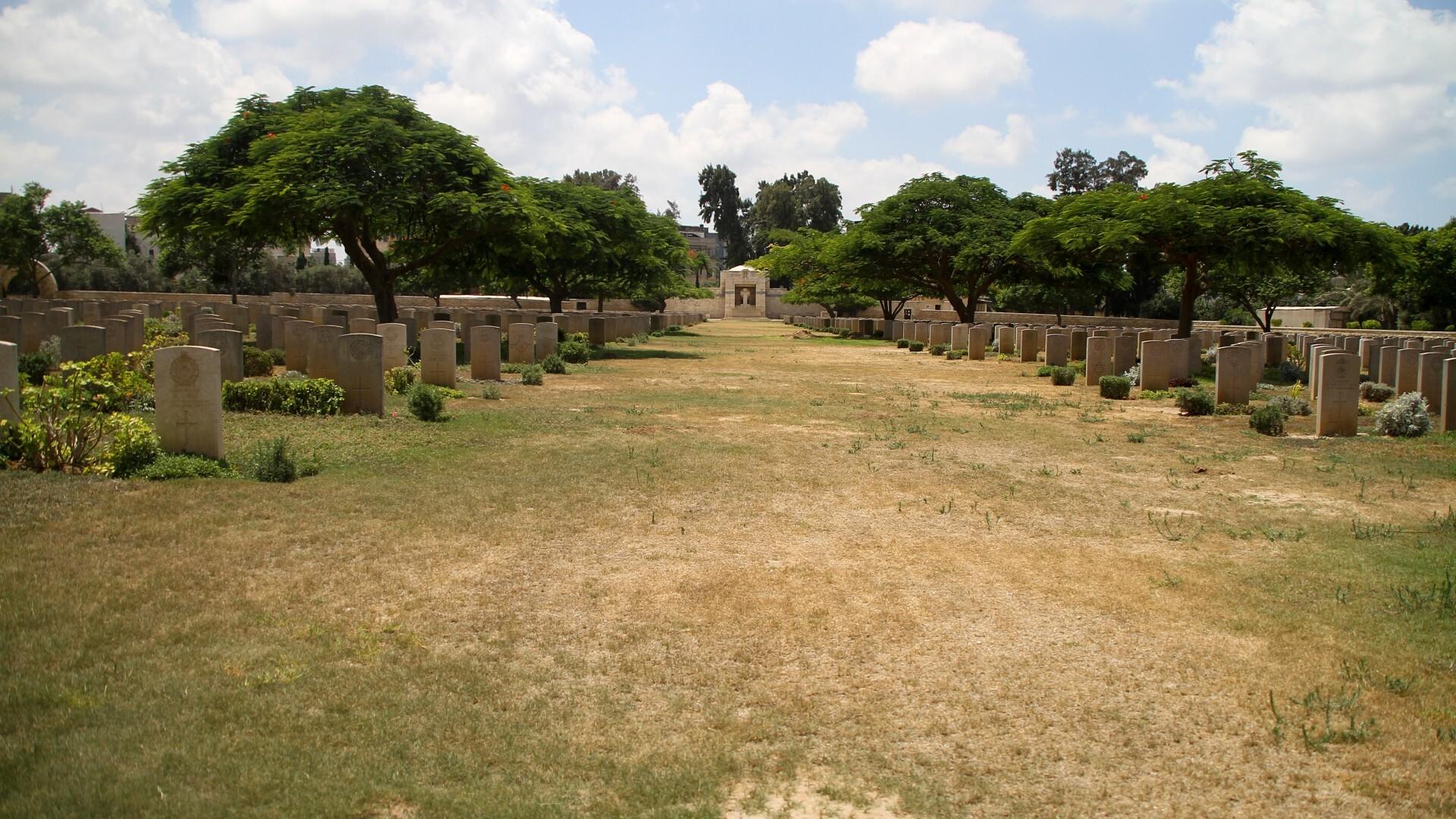
Israeli forces bulldozed part of al‑Tuffah cemetery containing World War I and II Allied graves Satellite imagery shows gravestones removed and churned earth consistent with heavy machinery

7 outlets told this the same way.
Outlets did split on Thousands March in London Calling for Britain to Stop Arming Israel and Impose Sanctions →
GB News was read line by line by the Watchdog: 4.7. See the score →
Bulldozing at al-Tuffah Cemetery
Satellite imagery and eyewitness accounts show Israeli forces bulldozed large sections of the al-Tuffah Cemetery in Gaza City, removing headstones and topsoil and creating substantial earth berms consistent with heavy machinery. The damage is absent in March imagery, visible by 8 August, and worse by 13 December. Multiple outlets report the bulldozing detected by imagery and witnesses.
“Satellite imagery and eyewitness accounts show Israeli forces bulldozed part of the al‑Tuffah (Gaza War) Cemetery in Gaza City, removing headstones and topsoil and creating large earth berms consistent with heavy machinery.”
The Guardian summarises the satellite timeline and earthworks. GB News describes systematic earthworks in the cemetery's southern corner with nearby bomb craters visible.

Middle East Eye notes the imagery shows rows of headstones dug up and removed. These sources collectively attribute the physical destruction to Israeli forces operating heavy equipment in and around the cemetery.
Cemetery bulldozing and damage
Former cemetery caretaker Essam Jaradah and local witnesses said they saw two separate bulldozing operations. One operation cleared roughly 12 metres around the outside walls, and a later operation levelled about 1 dunum (roughly 1,000 sq m) inside the walls, cutting through a corner containing Australian graves from a visitors' bench up to the memorial.
GB News and The National reported the same two-stage clearing and the creation of sand mounds and earth barriers, while Middle East Eye and The Guardian relayed Jaradah's account that the works later extended toward a visitors' bench and memorial monument. The Commonwealth War Graves Commission and the Royal British Legion reported damage to headstones and memorials, including the 54th East Anglian Division memorial and a Canadian UN plot noted as gone.

Cemetery operation and context
The Israel Defense Forces (IDF) told reporters the cemetery area was an 'active combat zone'. They said nearby structures were used for attacks and that troops dismantled underground infrastructure. The IDF told The Guardian that operations in sensitive sites are approved by senior officers.
“The Israel Defense Forces said the area was an active combat zone, that nearby structures were used for attacks, and that troops dismantled underground infrastructure; it said operations in sensitive sites are approved by senior officers.”
GB News quoted the IDF saying it had found and neutralised underground infrastructure described as terrorist. Alternative outlets record critics who say Israel has repeatedly invoked 'active combat zone' as a justification to strike civilian sites, including hospitals, schools, mosques and churches.
Independent coverage places the cemetery bulldozing in the wider post‑ceasefire context. The Guardian and Middle East Monitor report that more than 500 Palestinians have been killed since the ceasefire, about a quarter of them children, underscoring ongoing Israeli strikes and operations near the ceasefire line.
Damage to war graves
Veteran and memorial organisations have denounced the damage and pressed for accountability. The Commonwealth War Graves Commission and the Royal British Legion told reporters they found extensive headstone and memorial damage. The Guardian lists damage to the 54th East Anglian Division memorial and multiple national plots.
Middle East Eye notes the cemetery contains 3,217 graves, 781 of them unidentified, and that the site was damaged previously in 2006 and after the 2009 Gaza assault. The 2006 damage led to a £90,000 compensation payment.
UK officials reported around 10% of headstones at two war cemeteries had been damaged, according to The Guardian's reporting of a UK veterans minister. These sources converge on the grave disrespect to war graves and the historic sensitivity of the site, even as they differ in tone and emphasis about responsibility and wider military conduct.