Gaza Genocide17 November, 20252 min read
Israel Carries Out Systematic Killings Of At Least 98 Palestinians In Custody, Rights Group Alleges
This article is an automated aggregation of coverage from news outlets. Our editorials offer in-depth analysis curated by the NewsCord team.
Rights group documents 94–98 Palestinian deaths in Israeli custody since October 7, 2023 68 detainees were from Gaza; 26 were from the West Bank or held Israeli citizenship

12 outlets told this the same way.
Outlets did split on Israel Marks Oct. 7 Anniversary With Strikes on Gaza, Netanyahu Faces Election After Nova Tribute →
Deaths in Israeli custody
Physicians for Human Rights–Israel (PHRI) has published a report alleging that at least 98 Palestinians have died in Israeli custody since the Gaza war began in October 2023. Some outlets and PHRI’s own documented count list 94 deaths through August 2025, plus four more in October–November 2025. PHRI says its count is compiled from official responses, medical records, autopsies, forensic reports and interviews.
“Physicians for Human Rights–Israel says at least 98 Palestinians have died in Israeli prisons since the Gaza war began in October 2023 (94 documented through August 2025 plus four more in October–November), and based on official responses, medical records, autopsies and testimonies it accuses Israeli authorities of systematic killing, ill‑treatment, medical neglect and concealing causes of death.”
The organisation accuses Israeli authorities of systematic killing, ill-treatment, medical neglect and concealing causes of death. Several outlets note the tally may understate the true toll because hundreds taken from Gaza remain unaccounted for and Israeli authorities have sometimes refused to acknowledge detentions or deaths.

PHRI report: detainee deaths
PHRI’s report details causes and medical findings related to in-custody deaths. Autopsies and medical records show head injuries, internal bleeding, rib fractures, extreme malnutrition, and, in many cases, signs of physical violence. The report also documents denied insulin for diabetics, untreated cancer, and life‑threatening infections.
Several outlets and the report identify where deaths occurred—military camps and Israel Prison Service facilities—and highlight a particularly high number of detainee deaths taken from Gaza. PHRI and reporting cite evidence from released detainees, medical staff, and forensic examinations to substantiate allegations that physical abuse and medical neglect were leading contributors to the deaths.
Detention access and denials
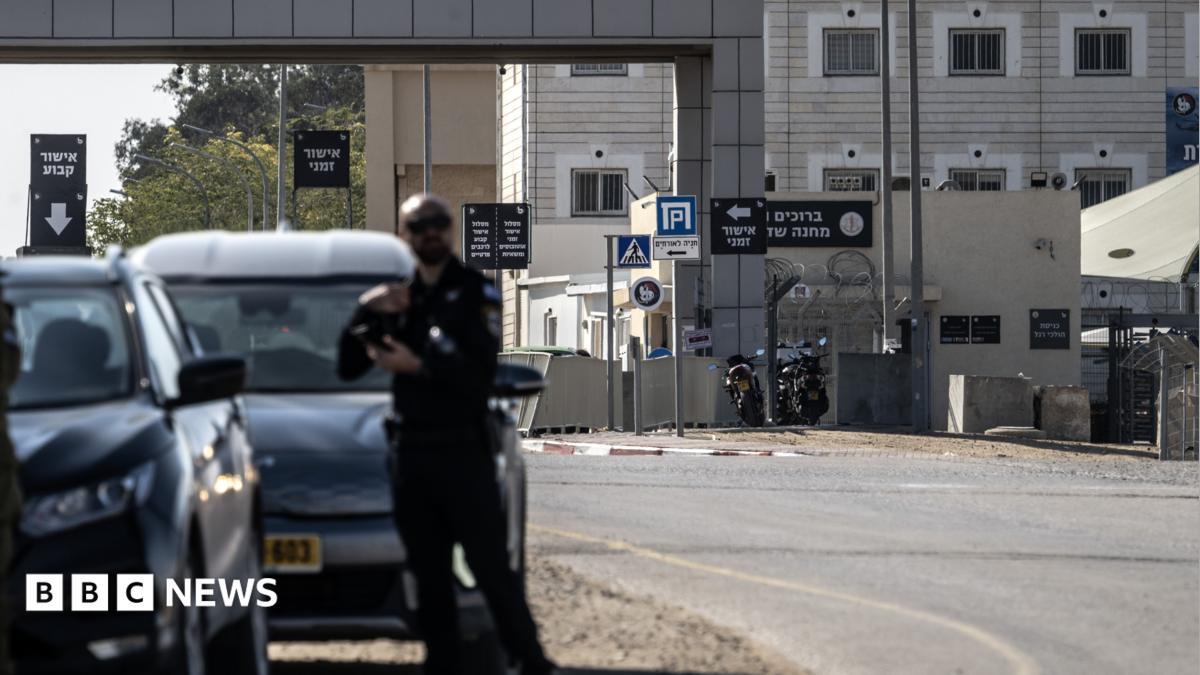
PHRI and multiple outlets say Israeli authorities have stopped sharing custody information with the ICRC/Red Cross. They also say authorities have barred access to some detention sites and frequently refused to acknowledge detentions or deaths, leaving families uninformed. The report and press coverage describe these allegations as producing forced disappearances, with some sources arguing the pattern shows an official policy of abuse since the war began while other outlets emphasise state denials that prison and military authorities act lawfully and investigate deaths.
“The group accuses Israeli authorities of systematic abuse and impunity, saying officials have failed to hold anyone accountable, stopped sharing detainee information with the ICRC, barred access to detention sites, and frequently refused to acknowledge detentions or deaths, leaving families uninformed.”
Accountability and investigations
Accountability has been limited in the incidents covered, with reporting citing one high‑profile conviction related to abuse and some pending indictments (for example over the Sde Teiman case). Rights groups and the Palestinian Human Rights Initiative (PHRI) call for independent or international investigations and say nearly all deaths remain unexplained in public records.
Some outlets underline legal and institutional steps, noting that Israel’s Supreme Court ordered improvements to inmate food and that a small number of prosecutions have advanced. Other outlets emphasise calls for international probes and the absence of meaningful domestic accountability.
Media framing of detainee deaths
Coverage tone and emphasis vary by source type. West Asian outlets and some regional broadcasters stress the Gaza origin of many detainees and frame the deaths as part of systemic abuse tied to Israel’s conduct in Gaza. Western mainstream outlets provide investigative context, comparative historical figures and official responses.
“The group accuses Israeli authorities of systematic abuse and impunity, saying officials have failed to hold anyone accountable, stopped sharing detainee information with the ICRC, barred access to detention sites, and frequently refused to acknowledge detentions or deaths, leaving families uninformed.”
Western alternative outlets foreground civil-society claims, broader human-rights framing and demands for international accountability. Those differences shape how directly sources say Israel is responsible.

Some outlets quote PHRI and say evidence points to 'systematic killing' or a 'deliberate policy'. Other outlets juxtapose those claims with IPS and military denials or note legal steps taken domestically.