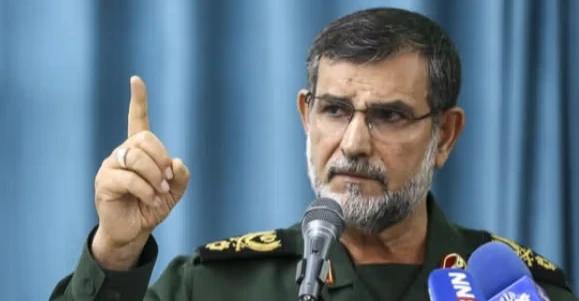
Israel Says It Killed IRGC Navy Commander Alireza Tangsiri In Bandar Abbas Airstrike
Key Takeaways
- Israel says IRGC Navy Commander Alireza Tangsiri killed in airstrike in Bandar Abbas.
- The commander overseeing the Strait of Hormuz blockade, per Israeli officials.
- Israel claimed Tangsiri was killed alongside other senior IRGC Navy officers.
Israel claims IRGC Navy chief killed
The single most important new development is Israel’s public claim that IRGC Navy Commander Alireza Tangsiri was killed in an overnight airstrike in Bandar Abbas, a strike framed by Israeli officials as a strategic blow against the Iranian maritime leadership and its Hormuz-closure posture.
“World Israel claims killing Iran’s IRGC Navy Commander in air strike Published 7 hours ago 1 min read Web Desk Published 7 hours ago 1 min read Web Desk Lahore Qalandars open PSL 2026 with commanding win Helium shortage has started impacting tech supply chains, execs say IPL 2026 to begin without opening ceremony”
Katz’s description that Tangsiri was “eliminated” and the claim that he was “directly responsible for the terrorist operation of mining and blocking the Strait of Hormuz to shipping” signals a shift from limited, high-profile assassinations to a mass-targeting of the IRGC Navy’s top echelons, with implications for control of the chokepoint that channels roughly a fifth of global oil.
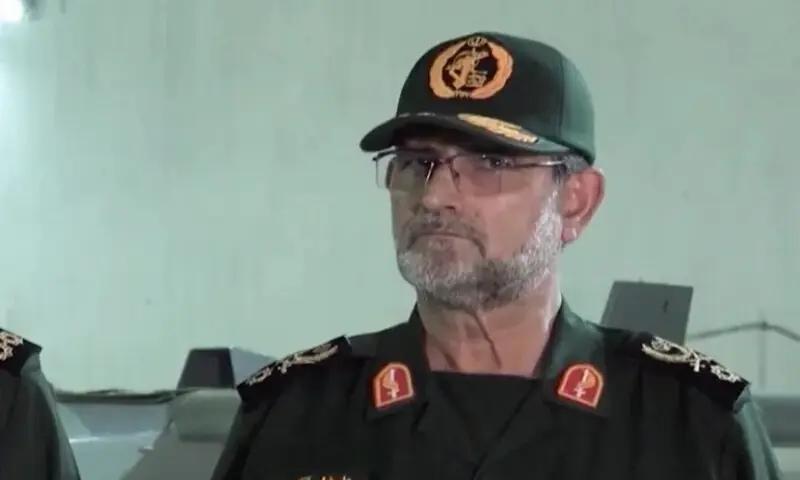
The claim circulated across outlets with Israel framing it as a joint effort with the United States to reopen Hormuz, while Tehran offered no immediate public confirmation.
This development comes as the broader war narrative centers on Hormuz and the IRGC’s maritime power in the Gulf.
Confirmation and framing diverge
Tehran’s public stance remains opaque, while U.S. and Israeli officials present the strike as a key strategic moment.
Iranian authorities have not publicly confirmed Tangsiri’s death, and Iran has repeatedly avoided immediate comment in similar episodes, leaving room for competing readings of the event’s significance.

U.S. Central Command publicly framed the strike as contributing to regional safety, with Adm. Brad Cooper stating that Tangsiri’s death makes the region safer, a claim that Washington framed within its broader campaign to degrade Iran’s maritime capabilities.
The lack of Iranian confirmation contrasts with the swift attribution from Israeli officials and the U.S. military, underscoring the broader information war around Hormuz and the IRGC’s role in regional signaling.
Diplomacy meets a deadly development
A sequence of diplomatic signals has emerged: reports that Iran received a 15-point peace proposal from the United States, alongside Tehran’s own calls for conditions to end the war.
“Israeli Defense Minister Yisrael Katz announced the assassination of IRGC Navy Commander Ali Reza Tangsiri, saying, "This assassination is important for the United States, and it is aid from our army to open the Hormuz Strait”
Iran’s public posture reportedly leans toward a high-stakes bargaining position—while some outlets detail Iran’s five conditions for ending the war, including security guarantees and Hormuz sovereignty.
Pakistan’s role in back-channel diplomacy—cited by sources as an intermediary between Washington and Tehran with help from Turkey and Egypt—adds a new layer of complexity to the talks.
The confluence of a lethal strike and simultaneous peace-messaging suggests that the next phase could hinge on whether either side accepts a framework that reorders Hormuz control and alliance commitments.
Regional voices frame Hormuz stakes
Non-Western perspectives add texture to the Hormuz narrative, highlighting the Strait’s centrality to energy flows and note the spillover effects of continued attacks on shipping, mining, and navigation.
Analysts in Indian and Persian Gulf outlets emphasize that the Hormuz chokepoint remains a focal point of leverage—whether through blockade, toll regimes, or diplomacy—while Iranian and regional news agencies stress that the broader conflict involves layered leadership and internal political dynamics that may limit the effectiveness of a single strike.

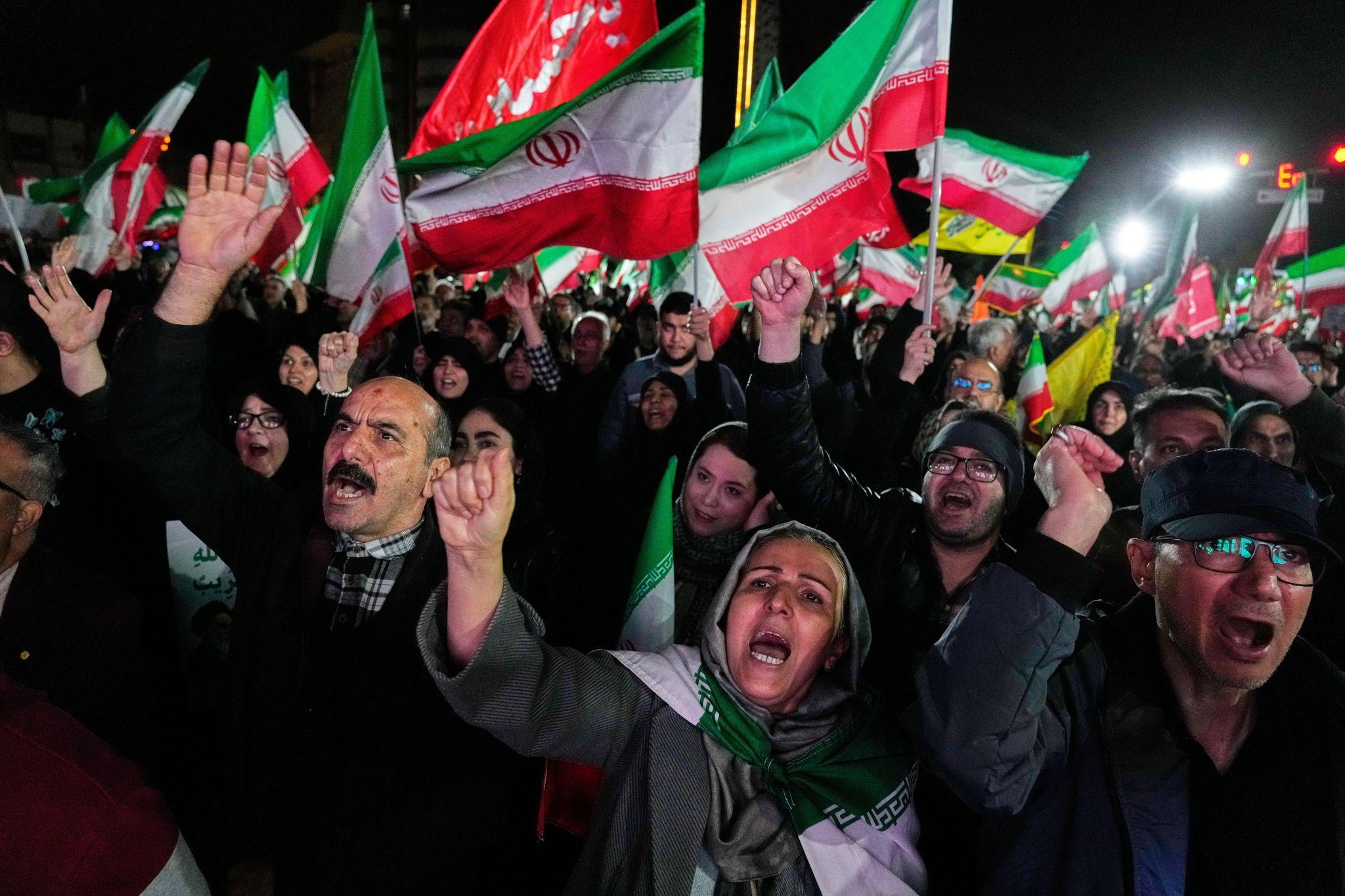
In Iran, state-linked media have signaled that the leadership is mobilizing support for its security apparatus, while regional outlets report on the broader economic stakes and the potential for escalation across Bab al-Mandeb and other chokepoints if tensions persist.
Markets, strategy, and escalation risk
The war’s economic and military fallout continues to sharpen, with oil markets watching Hormuz closely as shipping traffic remains severely disrupted and the potential for broader confrontation grows.
“Iran’s IRGC Navy commander killed, Israeli defense minister claims Israel Katz says Alireza Tangsiri had been ‘eliminated’ - Israeli army claims head of IRGC Navy Intelligence Directorate also killed ISTANBUL Israel’s defense minister claimed Thursday that the commander of Iran’s Islamic Revolutionary Guard Corps (IRGC) Navy was killed in an airstrike”
Western outlets have tracked the energy-price impulse and the logistics pressures that come with a partially blocked strait, while U.S. and Israeli officials signal readiness to press on with targeted strikes.
The health of the shipping corridor has become a litmus test for the efficacy of the joint effort to pressure Tehran, and the possibility of a ground or island seizure to reopen Kharg Island remains on the table in strategic deliberations.
The latest development—an Israeli claim of killing a top IRGC Navy commander—adds an unpredictable variable to an already volatile mix of diplomacy, sanctions, and potential escalation across multiple theaters.
More on Iran
US Circulates 15-Point Plan Demanding Iran Curb Nuclear, Missile Programs to End War via Pakistan
16 sources compared

US and Israel Launched War; Americans Demand They Halt Escalation as Gas Fears Rise
15 sources compared

U.S. Demands Iran Dismantle Nuclear Program, Halt Enrichment, Cap Missiles, End Proxy Funding
16 sources compared

United States Floats 15-Point West Asia Ceasefire Framework Requiring Iran's Acceptance
27 sources compared