Full Analysis Summary
Casualties and humanitarian crisis
Palestinian authorities report at least 61,158 Palestinians killed in Gaza since October 2023.
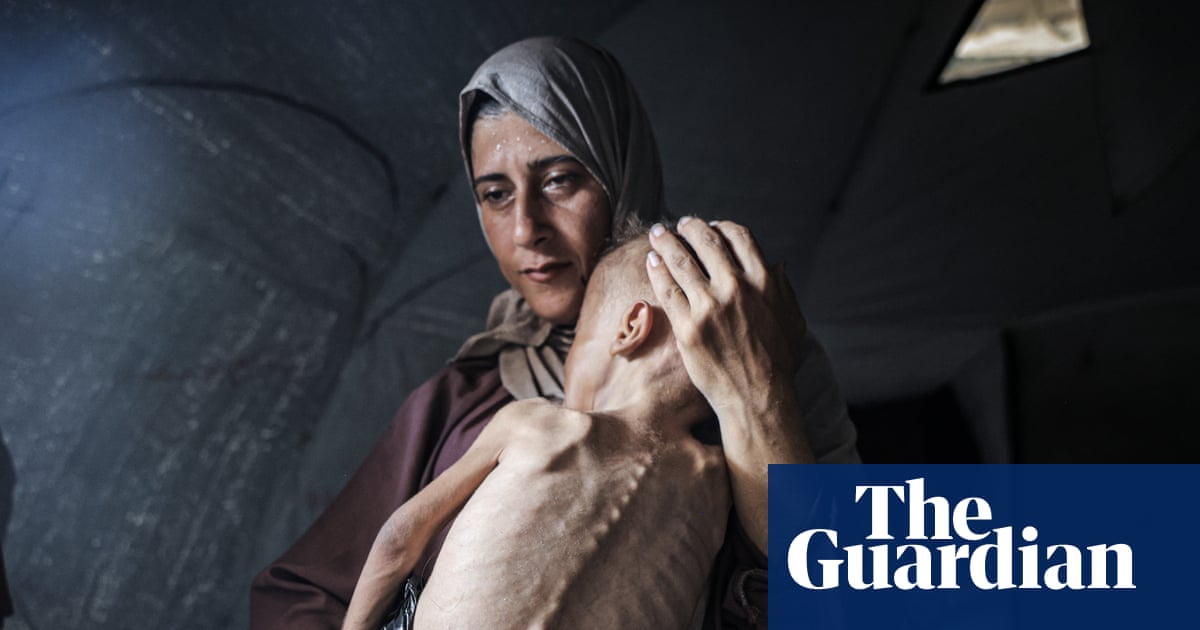
They say 193 people have died of hunger amid a blockade and military operations that have sharply restricted aid.
Israeli forces closed crossings and resumed major attacks in March, further limiting aid delivery.
The Gaza Health Ministry says 151,442 people have been injured since October 2023.
The ministry reported five more deaths from starvation and malnutrition, bringing the hunger death toll to 193, including 96 children.
Anadolu Ajansı noted Israel has maintained an 18-year blockade of Gaza.
Anadolu Ajansı said the crossings were closed on March 2, sharply restricting aid.
The International Criminal Court issued arrest warrants in November for Prime Minister Benjamin Netanyahu and former defense minister Yoav Gallant over alleged war crimes in Gaza.
Al Jazeera reported Gaza health authorities say more than 61,020 Palestinians, including at least 18,430 children, have been killed since October 2023.
Al Jazeera warned Israel's assault has displaced nearly all of Gaza's more than 2 million residents.
According to a global hunger monitor cited by Al Jazeera, the assault has precipitated an unfolding famine.
The Guardian highlighted expert claims that Israel's control over food and crossings makes starvation a deliberate or foreseeable outcome.
The Guardian quoted Thomas de Waal saying starvation cannot be an unintended outcome when remedies were available.
Coverage Differences
Figure and emphasis discrepancy
West Asian outlets (Anadolu Ajansı, Al Jazeera) emphasize high death tolls and starvation figures reported by Gaza health authorities and frame Israel’s blockade and closure of crossings as central causes; Anadolu Ajansı cites the Gaza Health Ministry’s exact toll of 'at least 61,158' and the hunger death toll of 193, while Al Jazeera reports 'more than 61,020' and stresses an 'unfolding famine.' The Guardian (Western mainstream) foregrounds expert analysis that frames Israel’s control of food and crossings as making starvation intentional or foreseeable, quoting specialists (e.g., Thomas de Waal, Eyal Weizman) who describe the restriction of food as genocidal or as deliberate policy. Each source either reports official Gaza figures (Anadolu Ajansı, Al Jazeera) or provides expert interpretation of intent and mechanisms (The Guardian).
Blockade-linked hunger deaths
Israel’s blockade and military operation have produced starvation and malnutrition deaths that health authorities and analysts describe as part of a systematic campaign that risks constituting genocide.
Anadolu Ajansı reported that the ministry said five more people died of starvation and malnutrition, bringing the hunger death toll to 193, 96 of them children.
The report noted that Gaza’s Government Media Office said only 843 aid trucks have entered since July 27, far fewer than needed.
The Guardian quoted Forensic Architecture’s Eyal Weizman arguing that restrictions on food are genocidal in two ways, both as intentional starvation and as a tactic to break Palestinian society.
Al Jazeera warned the situation precipitated an unfolding famine and included civilians’ pleas such as the wood merchant Abu Jehad saying being forced into the sea would be like a death sentence to the entire population.
These sources collectively link Israel’s blockade, closure of crossings and control of aid to rising deaths from hunger.
Coverage Differences
Tone and explicitness about intent
Anadolu Ajansı (West Asian) and Al Jazeera (West Asian) emphasize humanitarian statistics, blockade details and famine risk, reporting the numbers and quoting Gaza voices; The Guardian (Western mainstream) emphasizes legal and analytic framing, carrying experts who explicitly describe policies as 'genocidal' (Eyal Weizman) or intentional. Thus West Asian outlets prioritize immediate humanitarian metrics and on-the-ground testimony, while The Guardian advances stronger legal and academic accusations of genocidal intent. The sources differ in whether they primarily 'report' figures and blockade facts (Anadolu Ajansı, Al Jazeera) or 'quote' expert legal/forensic claims (The Guardian).
Aid-seeking deaths in Gaza
Israeli forces have directly caused deaths while Palestinians sought humanitarian aid.
Dozens were killed in single days and thousands injured over weeks, a pattern documented by Gaza authorities and noted by independent experts.
Anadolu Ajansı reported the ministry said 87 people were killed and 570 wounded while trying to collect humanitarian aid in one day, raising totals since May 27 to 1,655 killed and more than 11,800 wounded.
The Guardian’s experts warned that placing Gaza humanitarian ration stations in or near an Israeli-established buffer zone risks continued civilian deaths even during ceasefires.
They noted Maha Abuzaid's point that a previous ceasefire saw more than 100 people killed for being near the buffer zone after approaching GHF sites.
Al Jazeera’s coverage of mass displacement and famine pressure underscores that civilians have been forced into dangerous, exposed conditions when seeking aid.
Together, these accounts document Israeli military actions and control that have killed people attempting to access food.
Coverage Differences
Narrative focus and specificity
Anadolu Ajansı (West Asian) provides granular quantitative reporting on casualties while seeking aid, listing exact numbers and timelines; The Guardian (Western mainstream) focuses on dynamics and mechanisms—'buffer zone' placement of ration sites—and expert warnings about repeated killings; Al Jazeera (West Asian) emphasizes the human pressure from displacement and famine that forces civilians to risk aid collection. Each source thereby contributes different kinds of evidence: statistics (Anadolu Ajansı), policy-mechanism analysis (The Guardian), and humanitarian context (Al Jazeera).
International responses and legal claims
International responses and legal implications vary across outlets, with West Asian sources stressing the humanitarian catastrophe and legal action while The Guardian emphasizes expert legal and forensic framing.
Anadolu Ajansı reported that the ICC issued arrest warrants in November for Prime Minister Benjamin Netanyahu and former defense minister Yoav Gallant over alleged war crimes in Gaza.
The outlet also repeated Gaza authorities' casualty and aid-restriction figures, noting that only 843 aid trucks had entered since July 27.
The Guardian quoted Eyal Weizman calling the restrictions 'genocidal' and Thomas de Waal arguing that starvation 'cannot be an unintended outcome when remedies were available.'
Al Jazeera included survivor warnings such as Abu Jehad’s statement that being forced 'into the sea' would be 'like a death sentence to the entire population' and reported on the number of captives in Israel’s custody.
The sources differ in emphasis: Anadolu Ajansı and Al Jazeera foreground casualty counts and blockade effects, while The Guardian foregrounds forensic and legal accusation language.
Collectively, the reports document deaths, starvation, forced displacement and expert claims that Israel’s policies amount to genocide or foreseeable mass killing.
Coverage Differences
Legal vs. humanitarian emphasis
Anadolu Ajansı (West Asian) highlights legal steps (ICC arrest warrants) alongside humanitarian tallies and blockade details; Al Jazeera (West Asian) emphasizes displacement, famine and civil warnings; The Guardian (Western mainstream) elevates forensic and expert legal accusations that use the term 'genocidal' and frame the food restrictions as both intentional starvation and societal destruction. Each source thus shapes the reader’s understanding differently: numbers and aid denial (Anadolu Ajansı), famine and population displacement testimony (Al Jazeera), and explicit legal/genocidal framing through expert quotes (The Guardian).