Lebanon21 February, 20262 min read
Israel Conducts Airstrikes on Bekaa Valley and Ain al‑Hilweh — Lebanese Agencies Say 12 Killed, Reuters Cites 10; Tehran Condemns '40 Dead or Wounded'
This article is an automated aggregation of coverage from news outlets. Our editorials offer in-depth analysis curated by the NewsCord team.
Israeli airstrikes struck Lebanon's Bekaa Valley and Ain al‑Hilweh refugee camp Lebanese agencies say 12 killed, dozens wounded; Reuters reports 10 killed and 50 wounded

12 outlets told this the same way.
Outlets did split on Lebanon’s Judiciary Prepares To Apply General Amnesty Law No. 70, Judge Ahmed Rami Al-Hajj Says →
Feb 20 Lebanon strikes
Israeli air- and drone-strikes on Feb. 20 hit multiple sites across eastern and southern Lebanon, most notably in the Bekaa Valley’s Baalbek/Riyaq area and the Ein al-Hilweh Palestinian refugee camp near Sidon.
“Israeli strikes broke the fragile November 2024 ceasefire in Lebanon, killing at least 12 people in the country’s east and south and wounding dozens, according to Lebanese state media and aid officials.”
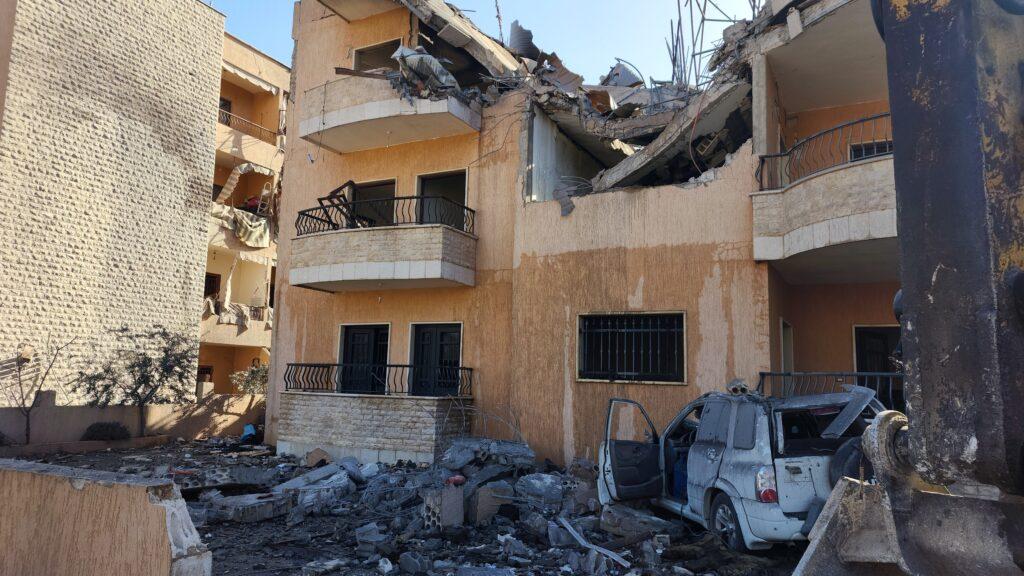
Lebanese state media and local health officials reported at least 12 people killed and dozens wounded as rescuers searched rubble after a multi-storey building in Riyaq collapsed.
Other accounts put the toll slightly lower.
Israel said it had targeted Hezbollah "command centers" in Baalbek and a Hamas "command center" in Ain al-Hilweh.
The strikes broke the fragile November 2024 ceasefire and prompted urgent UN and Lebanese complaints to the Security Council.
Baalbek/Riyaq strike report
The strike on the Baalbek/Riyaq area heavily damaged a multi-storey apartment building. Initial local tallies said more than 10 dead and about 30 wounded as search teams pulled survivors from rubble. Israel described the target as Hezbollah "command centers."
Several outlets reported that a Hezbollah military leader was among the dead. 5Pillars named the figure as Hussein Mohammad Yaghi, described him as "son of former MP Mohammad Yaghi," and said security sources confirmed his death. Cyprus Mail quoted Israeli claims that the strikes "eliminated several terrorists" from a missile array.

Ein al‑Hilweh strike reports
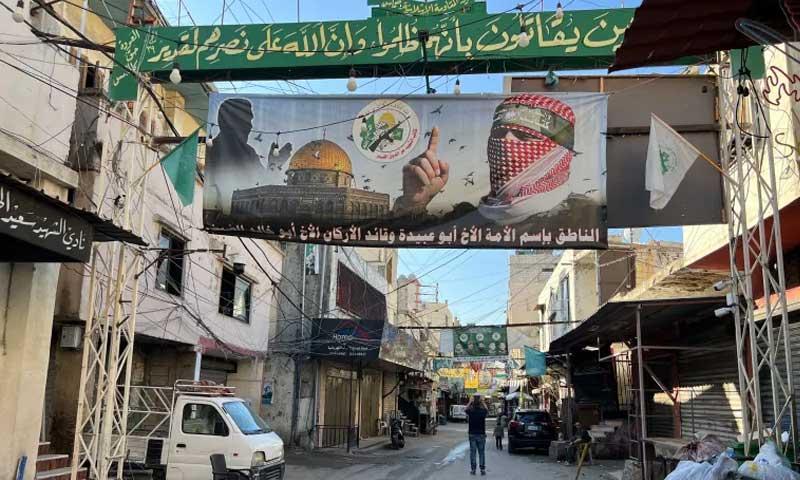
The Ein al‑Hilweh strike near Sidon drew conflicting accounts. Lebanese outlets and humanitarian reporting say an Israeli drone hit the camp’s Hittin neighbourhood, killing at least two and badly damaging a building used to distribute food.
“Ein el-Hilweh (Sidon outskirts): At least two people killed after an Israeli drone strike on the Hittin neighborhood.”
Israel asserted it struck a Hamas 'command center'. Hamas denied Israel’s characterization, and several sources said the building had been used by joint Palestinian security forces or as a food‑aid kitchen, calling the Israeli account false or a 'fabrication'.
Ceasefire breach and reactions
The strikes have been widely framed as a breach of the U.S.-brokered November 2024 ceasefire and have prompted renewed diplomatic activity. The UN and rights bodies are cited across outlets as noting more than 10,000 Israeli air and ground attacks since the ceasefire. The rights office has "verified at least 108 civilian casualties."
Lebanon has formally complained to the UN Security Council and accused Israel of holding five Lebanese territories that hinder reconstruction and returns. Iran’s foreign ministry spokesman called the raids a violation of Lebanon’s sovereignty, blamed the ceasefire guarantors and urged UN action. Tehran Times summarised "overall reports" as putting dead or wounded at "more than 40."
Coverage of the strikes
Coverage diverges on the implications beyond immediate casualties and damage. Reuters-citing Cyprus Mail stressed the risk to the US-brokered ceasefire. HUM News and Views Bangladesh emphasised the humanitarian toll, including displaced families, damaged aid infrastructure and hampered reconstruction.
“The latest fatalities have intensified fears of a return to full-scale conflict as both sides trade accusations; rescue operations and hospital treatment of the wounded are ongoing.”
5Pillars and SOFX highlighted specific militant losses and named figures. All accounts note ongoing searches for survivors and hospital treatment for the wounded. Several reported a related earlier strike near the Syrian border that killed four.
